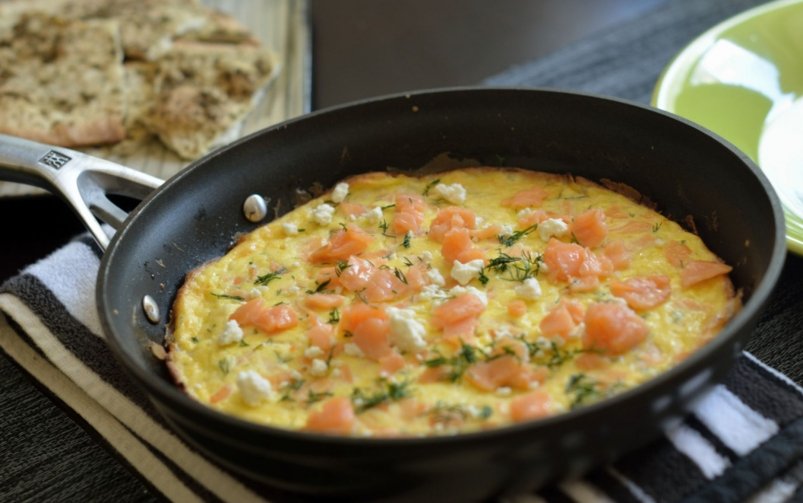
Choosing kitchenware is not only a matter of convenience and durability, but also a direct investment in the health of the family. When heated, low-quality materials can release harmful substances that end up in food. The modern market offers dozens of options, and to make the right choice it is important to know the key safety criteria.
The “correct” cookware should be chemically inert, that is, the material should not react with food and release harmful substances either at room temperature or when heated.

Health experts have compiled a cookware safety rating that you can use as a guide when purchasing.
1. Proven materials
- Glass and ceramics are completely inert materials. They do not react with any products, do not change the taste of food, and are easy to clean. Ideal for baking, storing food, and serving.
- Classic cast iron cookware coated with high-quality enamel is safe and durable. Black cast iron (without coating), after proper calcination and the formation of a protective layer (oil polymerization), also becomes safe and even enriches food with iron. Suitable for stewing, frying, baking.
- Quality stainless steel with nickel and chromium content is an excellent choice for pots and pans. It does not rust, is inert, durable. Important: buy from trusted brands to avoid fakes made from low-grade steel with impurities.
2. Conditionally safe
Aluminum with non-stick ceramic or Teflon coating. Aluminum itself can migrate into food, especially when in contact with acid. But the thick, durable non-stick coating serves as a reliable barrier. The key condition is not to damage this coating (use wooden or silicone spatulas, wash with soft sponges).
Heat-resistant silicone for baking is safe within the stated temperature range (usually up to +230°C). Look for products that are labeled “BPA-free” (bisphenol-A free) and without strong chemical odors.
3. Risky materials
- Unplated copper is beautiful, but requires an internal plating of stainless steel or tin, as copper oxidizes and can release toxic compounds.
- Cheap uncoated aluminum (for example, milk can, foil for baking with highly acidic products).
- Plastic for storage and heating is only suitable if marked “for food” and indicating the temperature conditions. Never heat food in plastic containers that are not intended for this purpose.
Practical advice when buying dishes
- Read the label carefully. Look for the symbols: “food grade stainless steel”, “PTFE-free” or “PFOA-free” for Teflon, “BPA-free”, “suitable for induction cookers”.
- Beware of brightly colored enamel cookware from Asian countries. Paint for cheap ceramics and enamel may contain lead and cadmium, which leach into food. Buy from trusted manufacturers.
- Research non-stick coating. Preference should be given to ceramic coating or modern marble or granite. They are more durable than classic Teflon and do not contain PFOA. If you choose Teflon, make sure it was made after 2015, when PFOA was banned.
- Smell the dishes. A strong chemical smell from a new pan or container indicates the release of volatile substances.
- Check the weight and thickness of the bottom. High-quality cookware has a thick, multi-layer bottom, which ensures uniform heating without deformation. Light, thin dishes burn out quickly.
By choosing safe cookware, you're not just buying kitchen equipment, you're creating a healthy cooking environment for years to come. This is a smart investment that pays off for your family's well-being.
Question and answer:
What cookware is safest for an induction cooker?
Cookware with a ferromagnetic bottom is suitable for induction. The safest options: enameled cast iron, High-quality stainless steel 18/10 with a thick multi-layer bottom.
What to do if the non-stick coating is scratched?
A badly damaged coating loses its properties and may become unsafe. Minor scratches from silicone spatulas are not critical. But if the coating peels off in layers, exposing the metal bottom (especially aluminum), the cookware should be replaced.
Is it true that Teflon cookware causes cancer?
Modern high-quality Teflon is stable up to a temperature of 260°C. The danger was posed by the substance PFOA (perfluorooctanoic acid), which was previously used in the production of the coating. In most developed countries, including Russia, its use has been prohibited since 2015.
Important: This information is not a substitute for consulting a doctor. The body's response to changes in diet/training may depend on individual physiology, genetic predisposition and health status. It is recommended to consult a specialist.