Article by Cezar Titor – Published Thursday, January 22, 2026, 1:30 p.m. / Updated Thursday, January 22, 2026 1:34 p.m.
Tonight, FCSB will play Dinamo Zagreb in round #7 of the Europa League single group at “Maksimir”, a stadium loaded with a lot of history – not just football. Today, it is considered one of the ugliest stadiums in European competition, with a grandstand closed for years after the 2020 earthquake damaged its structural strength. However, Dinamo Zagreb will benefit from a new stadium, with the works to be started soon. 36 years ago, an important social and political moment took place here.
Dinamo Zagreb – Red Star Belgrade, May 13, 1990, at the Maksimir stadium in Zagreb, became in the perception of many historians one of the catalysts of the War in Yugoslavia. Ahead of the top-of-the-table Yugoslav championship derby, sporting and political tensions had reached an all-time high. Red Star was the most awarded team of the competition (19 titles), Dinamo having only 4. Both were part of the “Big Four”, along with Partizan and Hajduk.
Derby in the west of Yugoslavia
In 1990, the communist regimes in the East were collapsing (The Berlin Wall – 1989, the Velvet Revolution in Czechoslovakia, the fall of Ceaușescu). In Yugoslavia, ethnic and nationalist tensions were escalating between Serbs, Croats, Muslims, Slovenes, etc.
After Tito's death (1980), central authority eroded, nationalist movements in the republics (especially Croatia and Slovenia) gained ground, and economic disparities fueled a sense of injustice. Serbian nationalism promoted by Slobodan Milosevic, feared by minorities, became a major factor.
Ethnic conflicts generated the violent dismemberment of the federation, and the game Dinamo Zagreb – Red Star is considered by some as one of the symbolic triggering factors of the Yugoslav wars.
Free elections in Croatia, after 45 years, two weeks before the party
In the context of the disintegration of the League of Communists and the Serbo-Croat tensions, Croatia held its first free elections (22-23 April, 2nd round on 6-7 May 1990). The Croatian Democratic Union defeated the Communist League, ending 45 years of hegemony.
Serbs perceived the Croatian rise as a threat, with Franjo Tudman becoming president on 30 May. His talk of Croatian independence and glory was heavily criticized in Serbia, being compared to the pro-Nazi puppet state period of World War II. The assassination attempt on Tudman from Benkovac amplified the tensions. Croats demanded confederation, Milosevic's Serbs opposed.
Red Star supporters had additional reasons to loathe Tudman: former colonel and leader of Partizan Belgrade, between 1954 and 1958, author of the adoption of the black and white stripes and promoter of a pan-Yugoslav vision opposed to the predominantly Serbian character of the Red Star.
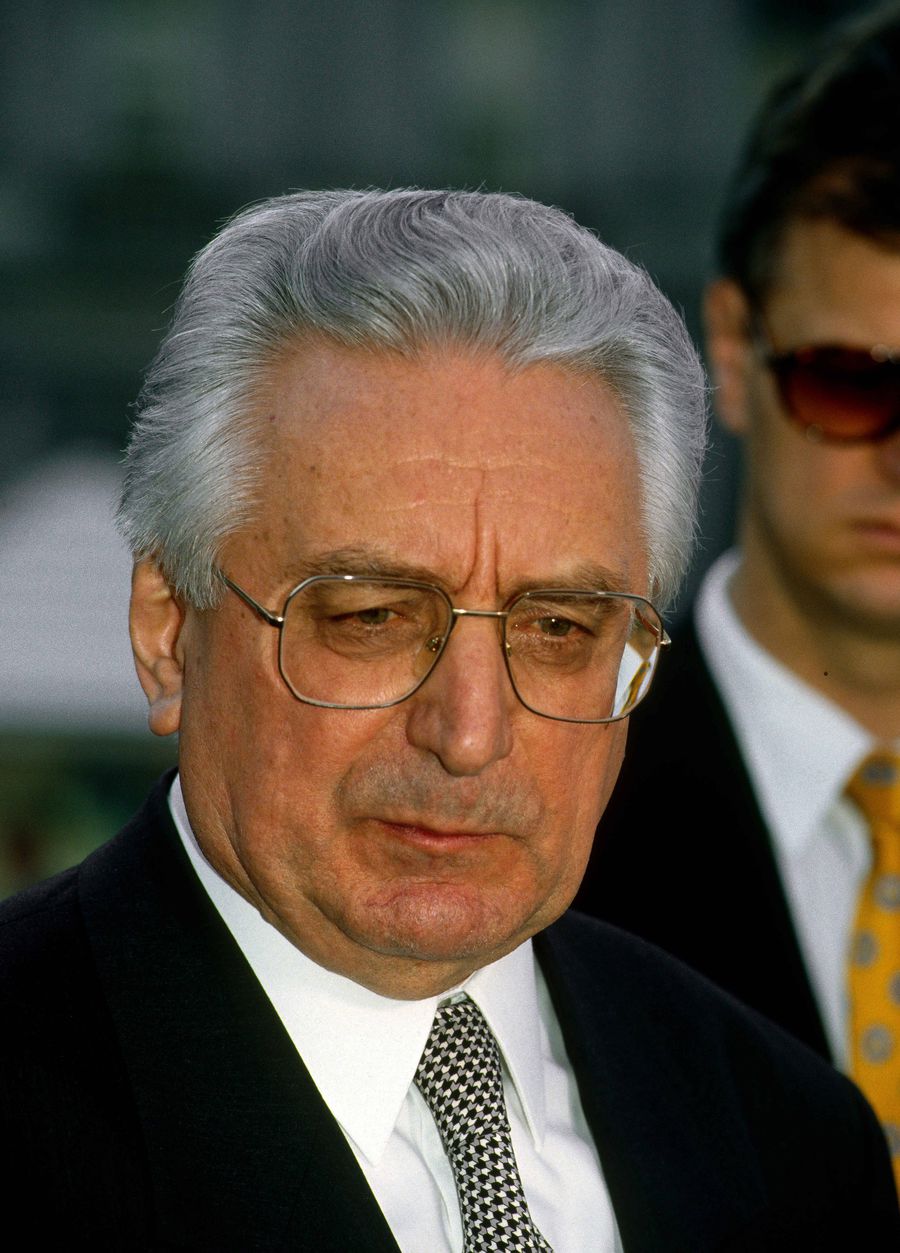
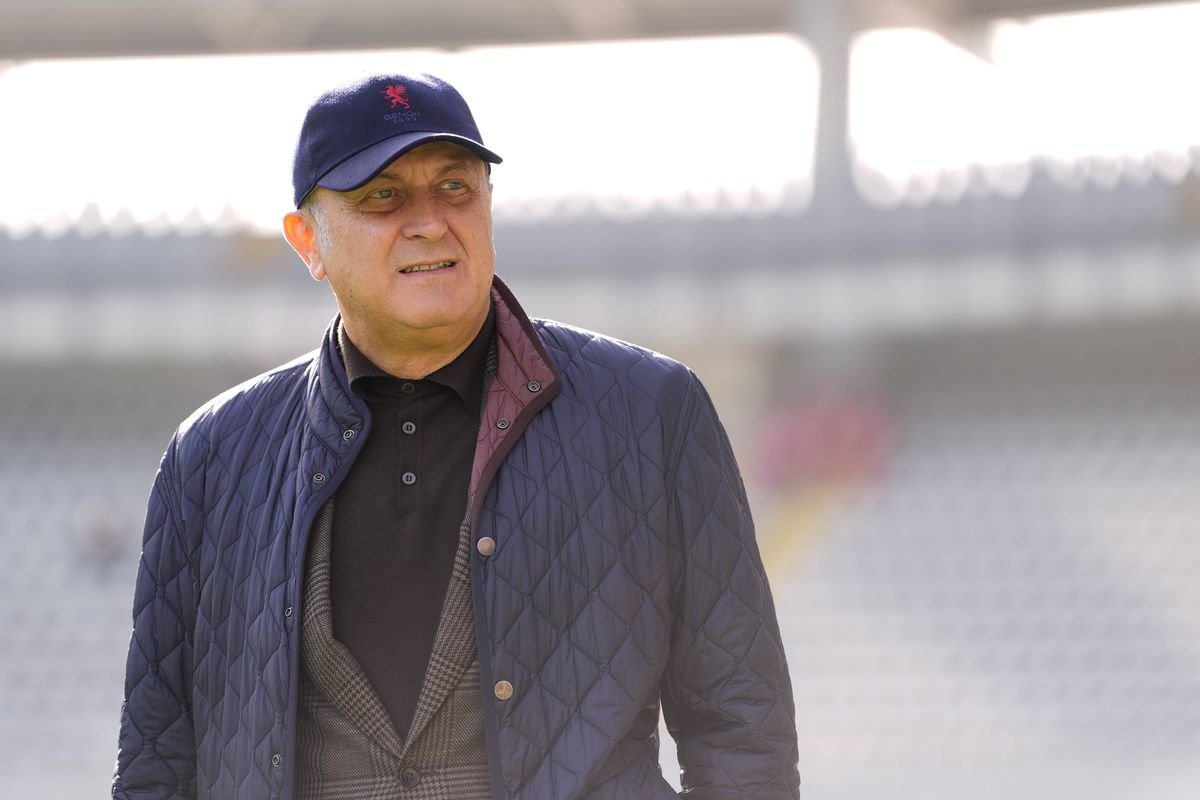
Franjo Tudman, President of Croatia between 1990 and 1999 / Photo source: Imago
VIDEO. What happened on May 13, 1990

On May 13, 10 minutes before kick-off, the “Bad Blue Boys” broke the fence separating the stands from the field. 3,000 “Delije” supporters had come to Zagreb and the total attendance was 15,000 – 20,000 people. The violence had already started in the city. The Croats attacked with stones, the Serbs responded with chairs.
“Delije” chanted “Zagreb belongs to the Serbs!” and “Death to Tuđman!”, inflaming the atmosphere. The Croats invaded the field, stopped by law enforcement with batons and tear gas. The “Bad Blue Boys” broke through the fence towards the Serbian sector. Initially, the police relented, but water cannons and armored vehicles dispersed the crowds.
According to some theories, the violence would have served to destabilize the Croatian Democratic Union, showing the inability to control in their own city. Croatian frustration also grew from the perception of preferential police treatment of Serbs. A popular conspiracy claims that the revolt was orchestrated by the Yugoslav government, law enforcement and even “Delije”. The match was abandoned, about 100 injured, the unconfirmed death of three Croats was reported.
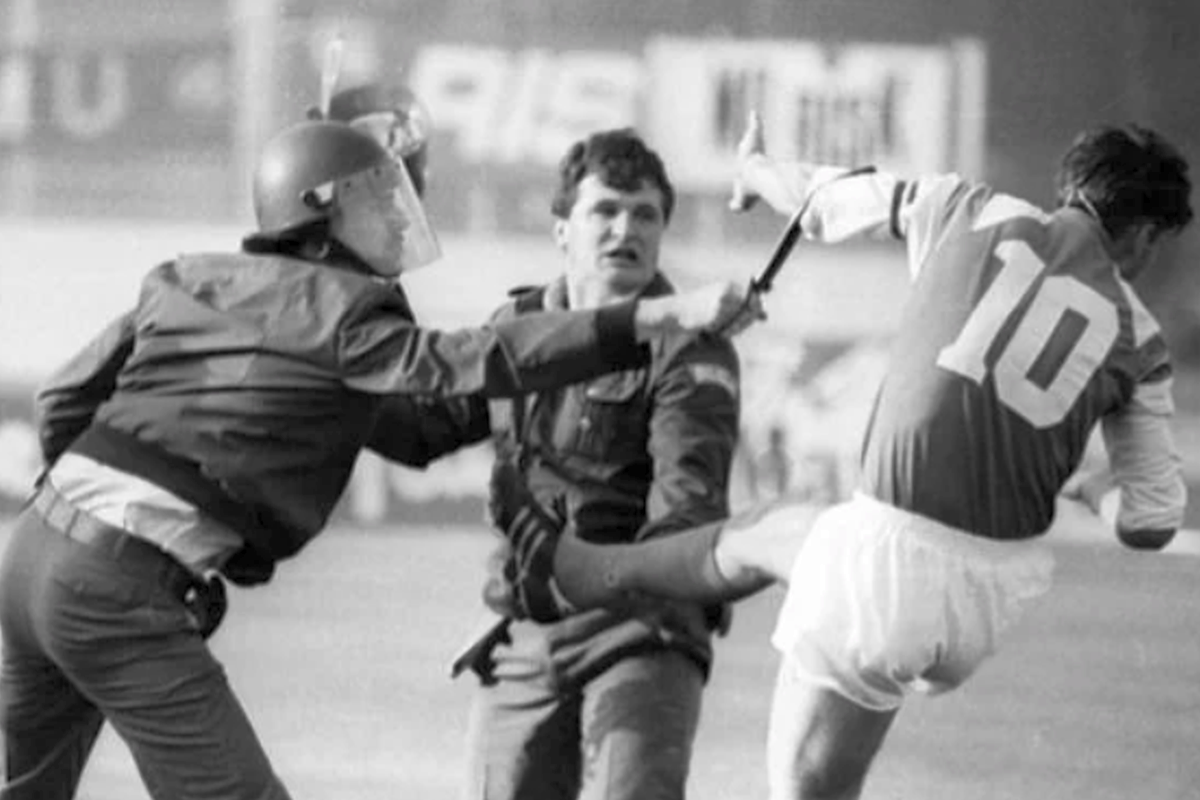
In the midst of the chaos, Dinamo captain Zvonimir Boban punched Bosnian policeman Refik Ahmetovicwho assaulted a Croatian supporter. Defended by supporters, Boban became a national hero in Croatia and a hated figure in Serbia. Suspended for six months, he missed the 1990 WC, where Yugoslavia reached the quarter-finals.
The leader of “Delije” was Zeljko “Arkan” Raznatovic, future commander of the “Serbian Volunteer Guard” (“Arkan's Tigers”). Less than a year after the incident, the group was formed from 20 Delije ultras, becoming one of the most feared paramilitary units, responsible for massacres in Croatia and Bosnia. Notes of the era claim that the “Bad Blue Boys” and “Delije” had already acquired paramilitary status. Arkan was assassinated on January 15, 2000 in a hotel in Belgrade.
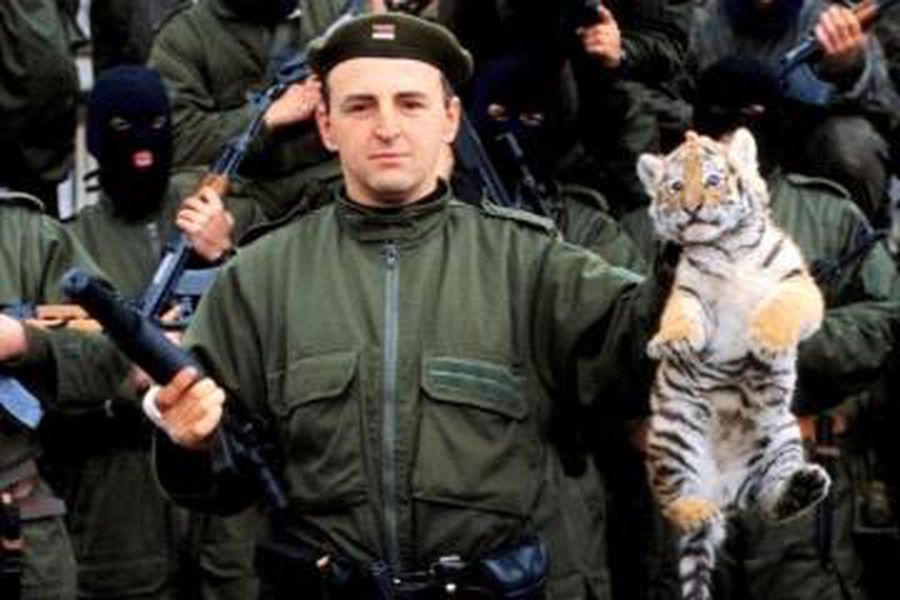
Zeljko “Arkan” Raznatovic
Supporters from both camps fought in subsequent wars, on opposing sides. The Yugoslav Wars (1991-2001) resulted in over 100,000 deaths and 4 million refugees. The last Yugoslav champion was Red Star (1991-1992). Annually, “Bad Blue Boys” and Dinamo players lay wreaths on Maksimir in memory of those involved in May 13, 1990 and the Croatian War of Independence. In front of the stadium there is a monument with the inscription: “For all Dinamo fans, for whom the war began on May 13, 1990 and ended with their sacrifice on the altar of the Croatian homeland.”
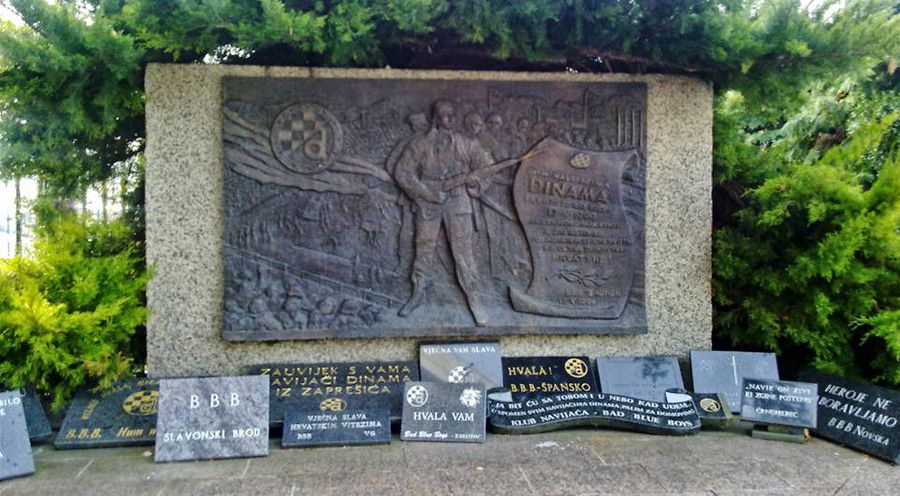
The monument at the “Maksimir” stadium
Although the episode of 13 May did not directly start the war, it reflected pre-existing tensions and acted as a catalyst, illustrating Serbian and Croatian ultra-nationalism, especially of the “Delije” and “Bad Blue Boys”. The event is inevitable in any chronology of the pre-Yugoslav war.