Few people know that Opel, which released its first car on January 21, 1899, produced not only cars, but also corking machines for winemakers and mechanized plows. Already in the 19th century, the company responded to the needs of local entrepreneurs, and its machines gained recognition throughout Germany. Although not all designs have stood the test of time, Opel has gone down in history as a pioneer of agricultural mechanization.
See also: The war for electric cars is fading away. An automotive race is something else
It is no secret that the company's founder, Adam Opel, started producing sewing machines in 1862. However, it was only four years after the entrepreneur's death that his wife Sophie and sons started producing cars.
The text continues below the video
Few people realize that from 1885, for the next decade, Opel also produced machines for wineries and achieved great success on the German market thanks to them. Following the suggestion of local winemakers, Adam Opel included “capsules”, i.e. machines for producing corks, in its production program, thus becoming the first German supplier of such products.
They started with sewing machines. This is how an automotive giant was created
Despite high demand, however, a problem soon arose: cork-making machines were a seasonal product. However, sewing machines and bicycles, which the company had been producing since 1887, kept the production plants busy all year round.
In 1888, the first factory building was opened, intended exclusively for the production of bicycles. Opel quickly introduced modern technologies to its bicycles, such as pneumatic tires, ball bearings and freewheel hubs. Since 1894, Opel has introduced bicycles designed specifically for women.
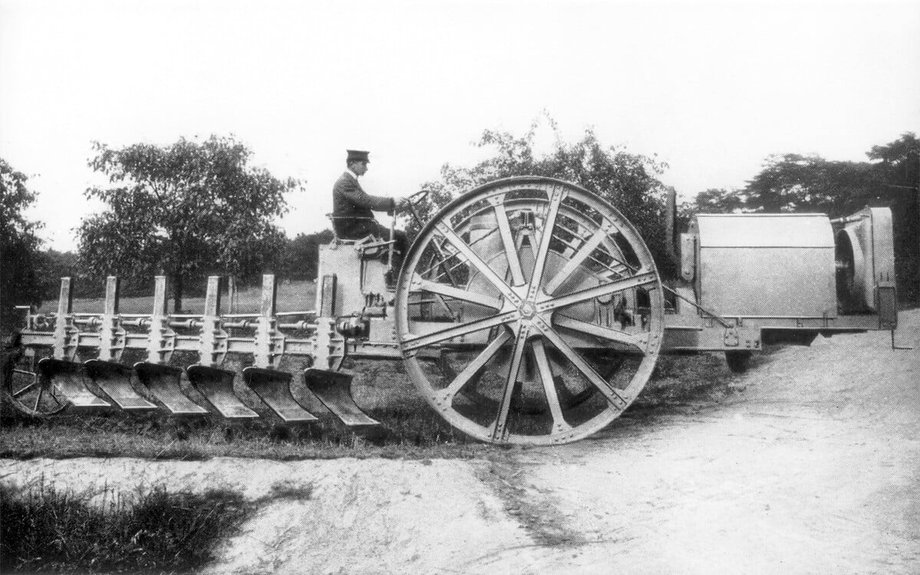
At the beginning of its activity, Opel was involved in the production of innovative agricultural machines
|
Stellantis / Stellantis
After the death of the company founder in 1895, the sons sold the entire machine production to Opel employees – Blöcher and Lorenz. They started their own business and for a long time benefited from the good reputation of “Opel corking machines”.
See also: Car production in Poland is falling dramatically. The industry is under pressure
In the spring of 1899, the first of 65 handmade Opel Patentmotorwagen “System Lutzmann” cars were built in Rüsselsheim.
In the 1930s, Opel created a lift-transporter that revolutionized the transport of goods. The brand's history also includes the production of aircraft engines that powered the planes of aviation pioneers.
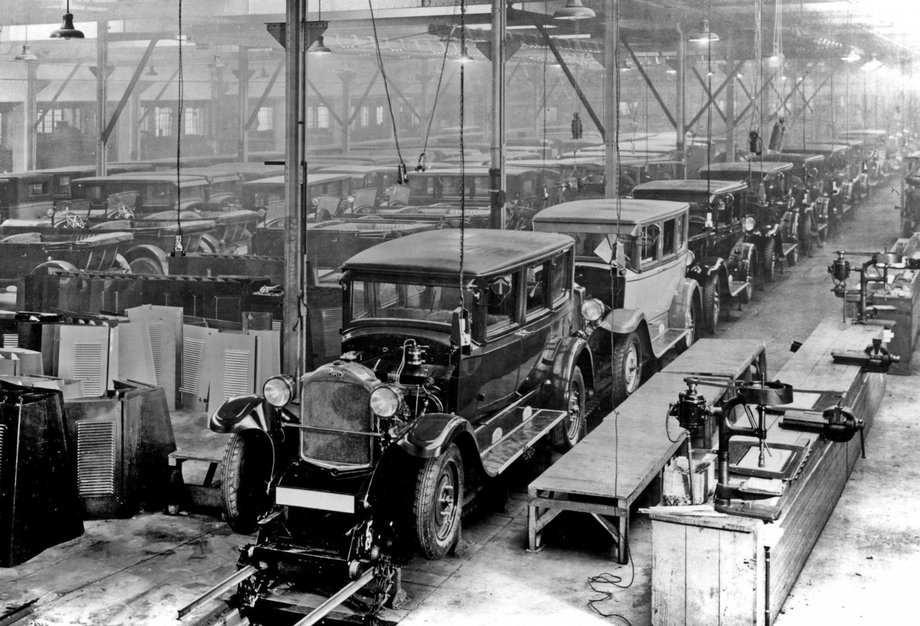
Opel
|
Stellantis / Stellantis
Opel was the first German manufacturer to introduce large-scale production using assembly line technology. The first car to roll off the assembly line in Germany in 1924 was the 4/12 PS “Laubfrosch”, always painted green.
Opel started by producing sewing machines and plows. Now it is an automotive giant
Just three years later, the Opel 4 PS, whose basic price was only 2,980 marks, ceased to be an expensive luxury product for the wealthy and became a reliable means of transport for many people.
Demand for Opel cars continued to grow, and in 1931 the 1.2 liter model became the first true “people's car”.
See also: The European automotive industry in crisis. It's worse than during the pandemic
In 1935, the Olympia became the first German mass-produced car with an all-steel body, which, thanks to its low weight, ensured better performance and low fuel consumption.
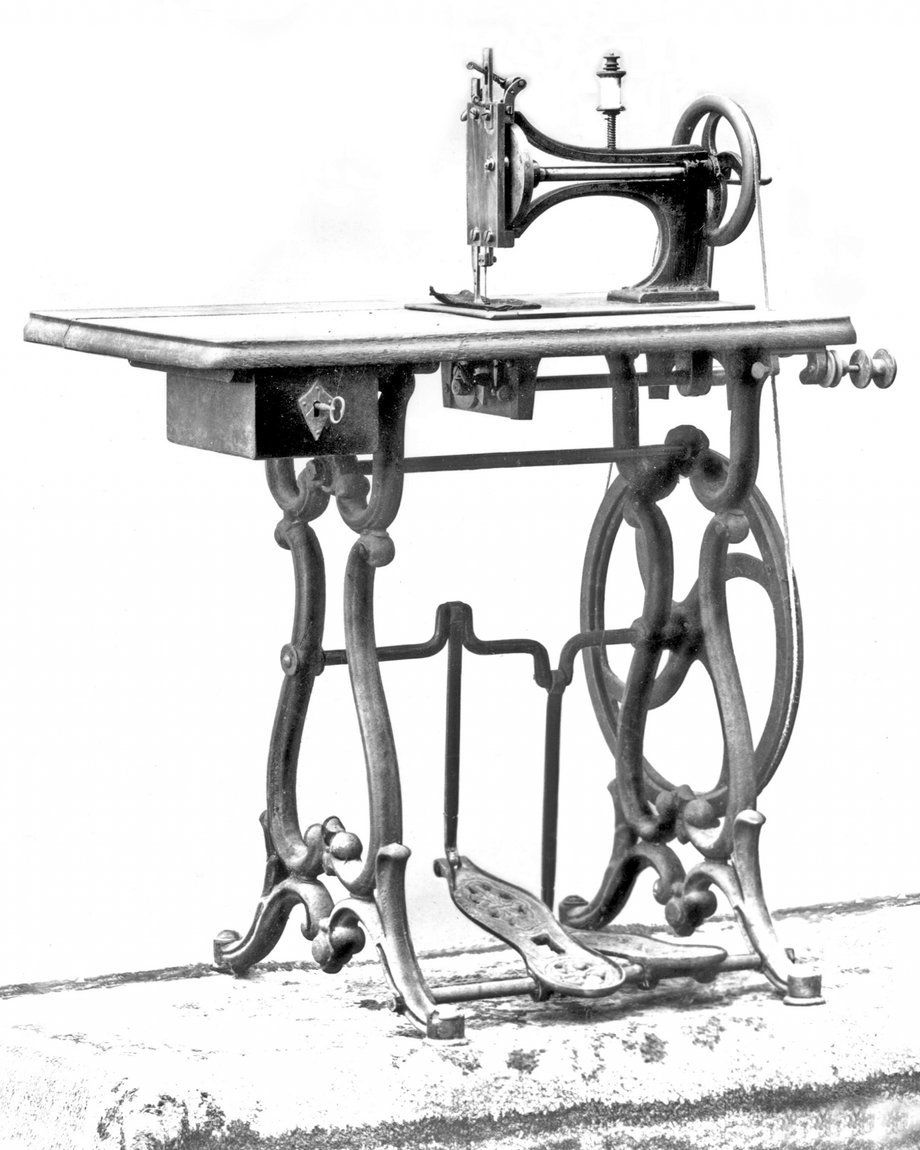
Adam Opel started by producing sewing machines
|
Stellantis / Stellantis
For the first time, the new design allowed the body to be “connected” to the power unit. This made the entire production process faster and more efficient, paving the way for this construction method to be introduced into large-scale production.
What started in a garage in Rüsselsheim has now become a mass phenomenon – over 70 million vehicles have been produced to date. Opel and its British sister brand Vauxhall sell over a million vehicles a year, making them one of the largest passenger car brands in Europe.