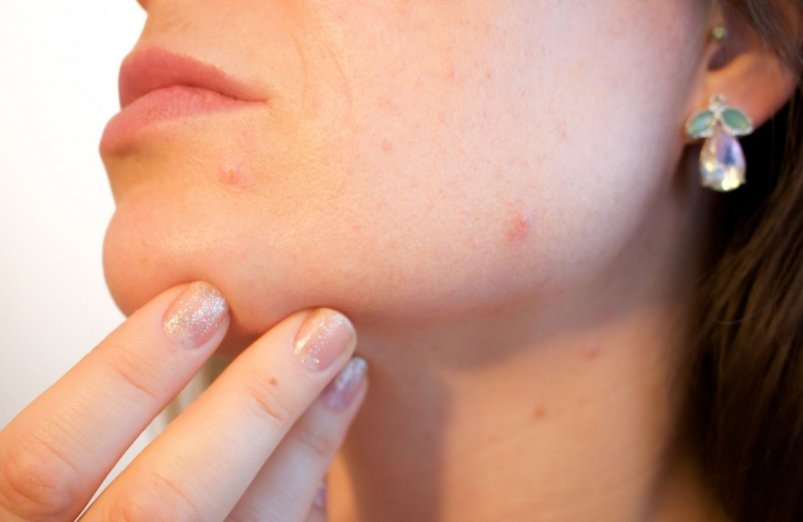
The problem of acne worries not only teenagers, but also many adults. And many people understand that nutrition affects the condition of the skin.
Modern research and nutritionists confirm that diet plays a key role. Although acne is a complex condition, certain foods can both increase inflammation and breakouts and help clear the skin.

What foods make acne worse and why?
High glycemic index foods: sugar, sweet pastries, white bread, chocolate bars, sweet carbonated drinks, fast food.
They cause a sharp spike in blood sugar, which triggers the release of insulin and insulin-like growth factor (IGF-1). This, in turn, stimulates excess sebum production and inflammation.
Dairy productsespecially low-fat: milk, ice cream, some types of cheeses, curd cheeses. Milk contains hormones and substances that can affect a person’s own hormonal levels by stimulating the sebaceous glands. In addition, low-fat foods often have a higher insulin index.
Trans fats and excess saturated fats: fast food, deep-fried food, chips, store-bought baked goods, margarine.
They increase systemic inflammation in the body, which directly affects the skin.
Caffeine and alcohol. Caffeine increases levels of cortisol (the “stress hormone”), which can increase sebum production. Alcohol dehydrates, puts stress on the liver, and also promotes inflammation.
What products help fight acne?
Foods with a low glycemic index and rich in fiber: whole grain cereals (buckwheat, brown rice, quinoa), vegetables (especially leafy greens, broccoli, cucumbers), unsweetened fruits (berries, green apples). All of them stabilize blood sugar levels, reduce inflammation and remove toxins.
Sources of Omega-3 Fatty Acids: oily fish (salmon, mackerel, herring), walnuts, flax and chia seeds, avocado. They have a powerful anti-inflammatory effect, helping to soothe the skin from the inside.
Zinc-rich foods: pumpkin seeds, sesame seeds, beef, chickpeas, lentils. Zinc regulates the functioning of the sebaceous glands, accelerates healing and has an antibacterial effect.
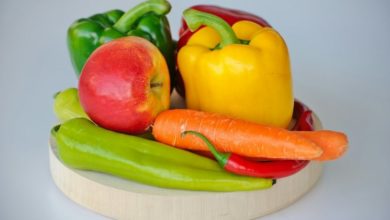
Products with vitamins A, E and antioxidantssuch as carrots, spinach, bell peppers (vitamin A), almonds, sunflower seeds (vitamin E), berries, green tea (antioxidants). Protect skin cells from damage, regulate cell renewal and fight oxidative stress.
Clean water maintains balance, promotes the elimination of toxins and the proper functioning of all body systems, including the skin. Norm: 1.5-2 liters per day.
Keep a food diary for 2-3 weeks. Write down everything you eat and note the condition of your skin. This will help identify your individual food triggers that may not be on the general list.
Remember: a strict diet is not the answer. We're talking about a balanced diet that emphasizes whole, unprocessed foods. Healthy skin starts with making informed choices on your plate, but it's also important to see a dermatologist for a holistic solution.
Important: This information is not a substitute for consulting a doctor. The body's response to changes in diet/training may depend on individual physiology, genetic predisposition and health status. It is recommended to consult a specialist.