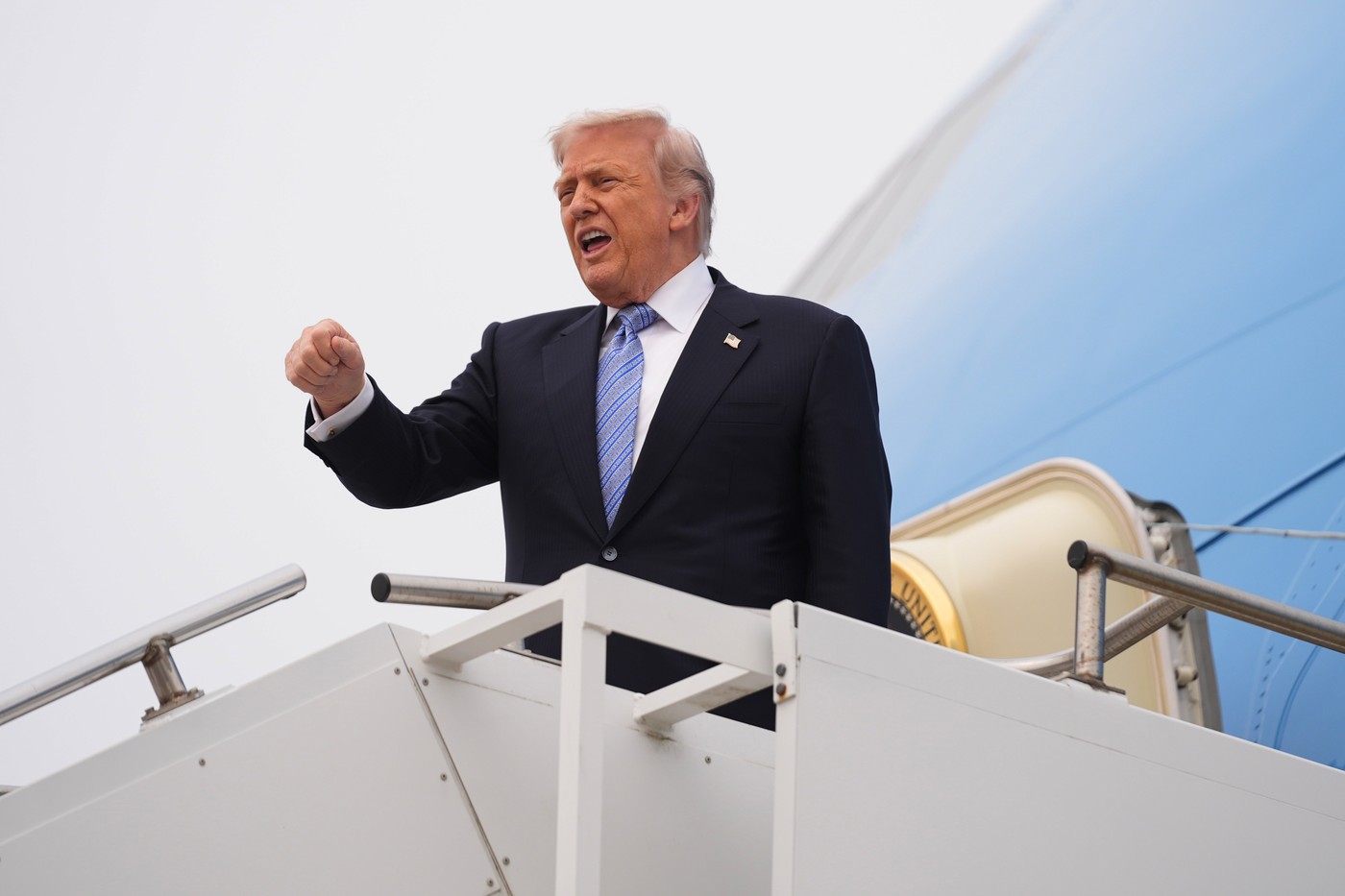
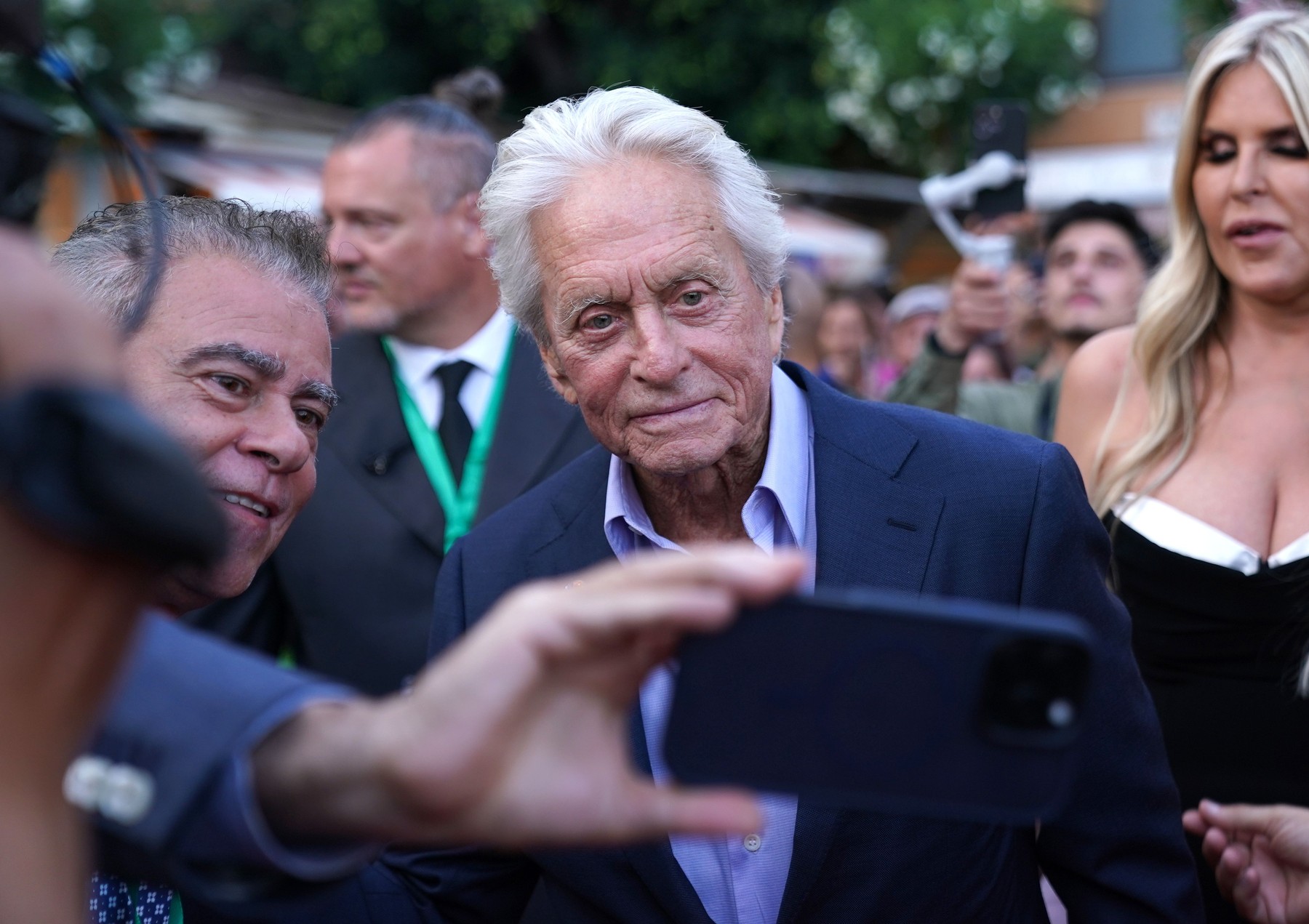
Tactical division between Europe's most powerful countries after Trump's threats to annex Greenland. Where Merz and Macron part ways


Amid growing pressure from Donald Trump to take over Greenland, a tactical divergence has emerged between the French and German leaders over how to respond to the US president.
Federal Chancellor Friedrich Merz on Monday tried to prevent the conflict with Donald Trump over the Arctic island from escalating into a new trade war between Europe and the US, calling for a “balanced” response to the American leader's latest threats to impose tariffs, writes Politico.
But the approach signals a tactical divergence between the leaders of Germany and France over how to handle Trump's threat to impose new tariffs on several European countries by next month.
French President Emmanuel Macron asked Brussels on Sunday to activate the EU's Anti-Coercion Instrument (ACI), the bloc's so-called “trade bazooka”, in response to Trump's threat to impose new tariffs on European countries as early as February 1.
Merz says he will continue his “strategy” on Trump
Merz, on the other hand, urged a less confrontational approach to Trump, acknowledging that a trade war would be particularly damaging to Germany's export-oriented economy, while expressing confidence that Berlin and Paris would find common ground.
“France is affected by American tariffs to a different extent than we are, and in that sense I understand that the French government and the French president want to react a little harder than we do,” Merz said. “However, we are trying to adopt and we will manage to find a common position” before EU leaders meet in Brussels on Thursday, the German chancellor added.
German officials have often expressed frustration that Macron has been willing to take a more combative approach to Trump, but that the French president has not acted as aggressively to increase Europe's autonomy from the US by striking additional trade deals with other parts of the world. French opposition, for example, has long blocked Europe's deal with South America's Mercosur trade bloc.
Merz said he plans to meet Trump in Davos on Wednesday to try to ease tensions and get the US leader to change his mind on tariffs, saying he believes a joint solution to protect Greenland and avoid a trade war remains within reach.
“We know from the experience of the last 12 months that Trump is repeatedly threatening to impose tariffs,” Merz said. “He often does, but quite often, discussions and negotiations with him lead him to refrain from doing so. And this has been my strategy for the last nine months, or the last eight months, since I took office. And I will continue to follow it in exactly the same way,” said the head of the government in Berlin.
Macron, firm message
In contrast, the French president has been much more direct in countering Trump's trade threats.
“No intimidation or threat will sway us,” Macron said in a post on the X social network over the weekend. “Threats of tariffs are unacceptable and do not take place in this context. Europeans will respond in a united and coordinated way if they are confirmed. We will ensure that European sovereignty will be respected. In this spirit I will work with our European partners,” the leader from the Élysée Palace also wrote.
Merz, however, did not rule out the possibility of European retaliation if Trump were to impose tariffs, although he did not specifically mention the EU's so-called “trade bazooka.”
“We have a number of tools at our disposal, and we agree that we don't want to use them,” Merz said. “But if we have to use them, then we will do it. To what extent, with what intensity? That will depend on the situation that will arise in the relationship with the US government”, specified the German chancellor.
Trump announced Saturday that he would impose 10 percent tariffs starting Feb. 1 on goods from eight countries that oppose the U.S. takeover of Greenland. Taxes are set to rise to 25% if no deal is reached by June 1.
Faced with Trump's intention to buy or – if Denmark maintains its refusal to sell – to forcibly annex this strategically important island rich in mineral resources, including rare earths, a number of European states (including Norway, Sweden, Germany, the United Kingdom and Finland) have expressed their “full solidarity” with Denmark and some have sent symbolic military contingents to Greenland, amounting to only a few dozen soldiers.
Meanwhile, Germany withdrew its 15 troops from Greenland on Sunday. Norway and the Netherlands, which each sent two troops to the Arctic island, also announced they would be withdrawn.
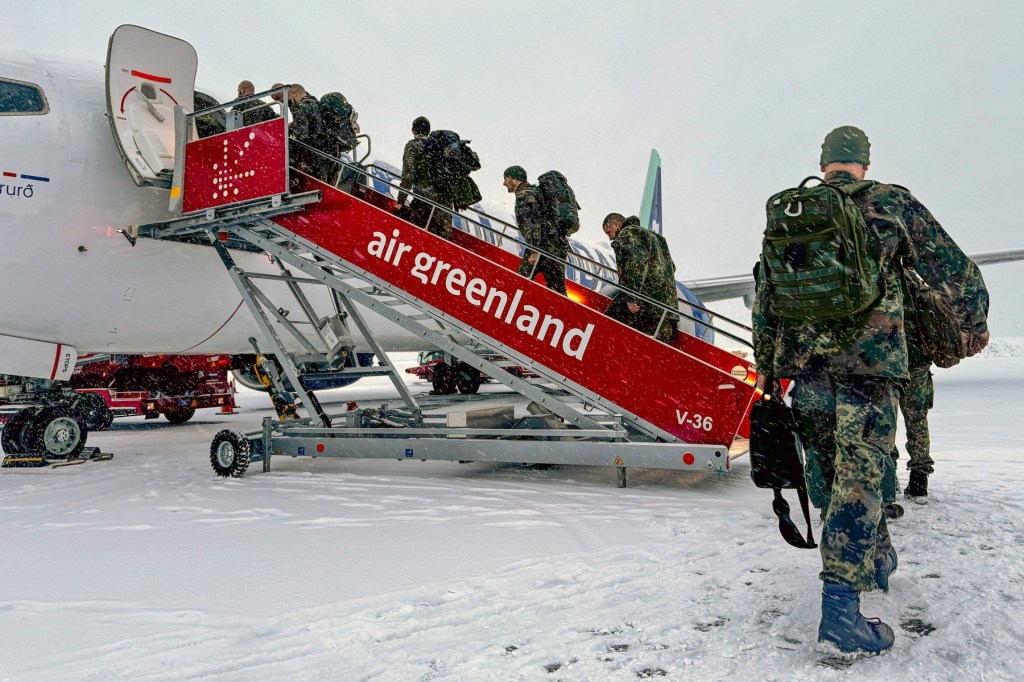 Bundeswehr, flash retreat from Greenland. Berlin called its soldiers home
In addition to Denmark, Germany, France, the United Kingdom, the Netherlands, Norway, Finland and Sweden will be affected by the tariffs announced by Trump.