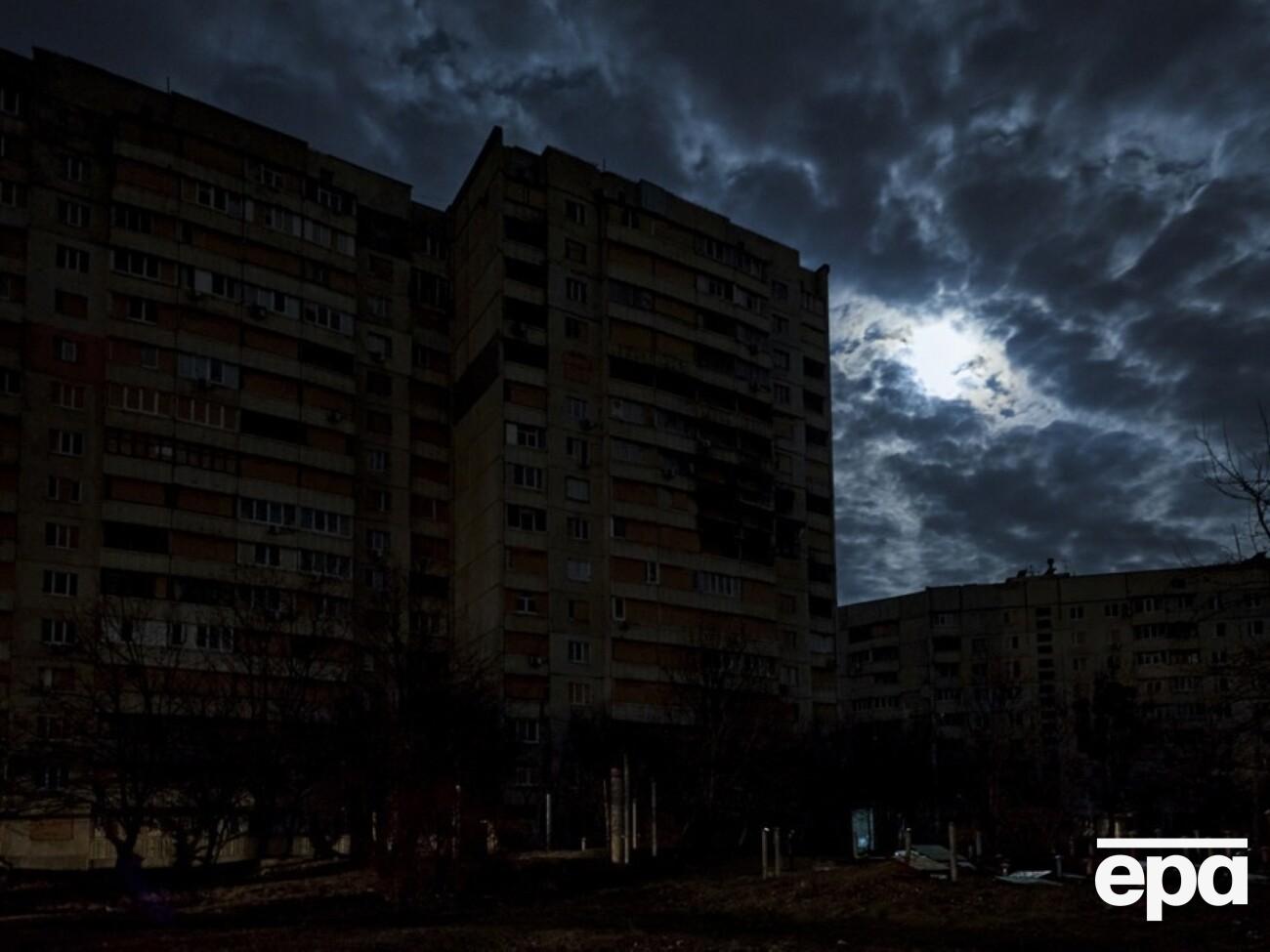
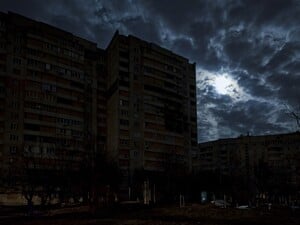
He explained that in Kyiv, about 100 high-rise buildings continue to be connected to the heating network; more than 40 houses have remained without heating since January 9. Due to frost, new emergency shutdowns are being recorded, and all services have been involved in eliminating them. There are more than 50 thousand subscribers without power supply; critical infrastructure operates from backup sources.
Restoration work is also continuing in the Odessa and Zaporozhye regions: reconnections are being made in Odessa, and repairs are planned to be completed in Zaporozhye by the end of the day, the minister noted.
According to him, private businesses (cafes, shops, shopping and entertainment centers, which are “Points of Indestructibility”) can operate around the clock.
“Never before have we experienced such conditions: severe frosts and simultaneous attacks on the energy system. Not a single system can withstand dozens of attacks by Iskander missiles and drones at an average daily temperature of -15 °C. Therefore, the support of partners is needed now more than ever,” Kuleba said.
Context
Since the beginning of the heating season, the Russian Federation has attacked Ukraine’s energy sector 256 times, the SBU reported on January 15. In particular, since the beginning of October 2025, the occupiers have deliberately attacked 11 Ukrainian hydroelectric power plants and 45 largest thermal power plants. The Russians also carried out 49 targeted air strikes on thermal power plants and 151 on electrical substations in different regions of Ukraine, the SBU added.
On January 14, the head of the Ukrainian state, Vladimir Zelensky, announced that a state of emergency would be introduced in the Ukrainian energy sector.
On January 15, Prime Minister of Ukraine Yulia Sviridenko announced 10 measures to overcome the consequences of the emergency in the Ukrainian energy sector and announced “the most difficult winter in 20 years.”