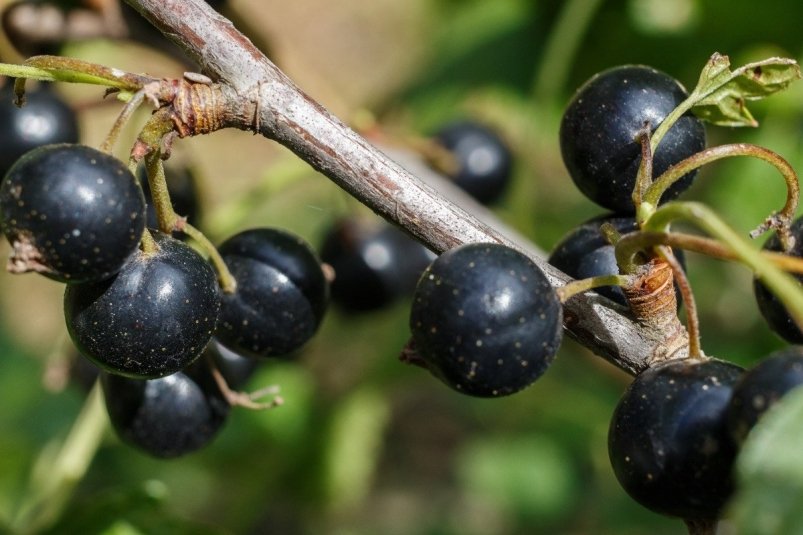
The rapid growth of new powerful shoots of currants is the key to a future harvest. The strength for such a jerk is not built in the spring, but while the bush is sleeping. The source of this power is often not looked for in the store, because it is in every kitchen. Properly prepared food scraps applied under the bush at the beginning of winter act as long-lasting nutrition that awakens the plant to vigorous growth.
This is not about all cleanings. The greatest value comes from natural sources of potassium and phosphorus, two elements critical for root and shoot growth.

Ideal “winter feeding” includes:
Potato peelings and banana peels: champions in potassium content, which is responsible for the strength and elasticity of young shoots.
Egg shells: a source of calcium that strengthens plant cells.
Spilled tea and coffee grounds: loosen the soil and provide a light nutrient medium.
Remains of dried bread and crusts: when decomposed, they enrich the soil.
Together, these wastes create in the soil a reserve of exactly those substances that currants will require in early spring to start. Mineral fertilizers act faster, but their effect is short and can “burn” the roots if used incorrectly. Organic waste decomposes slowly, releasing nutrition gradually and gently, just when the plant begins to wake up.
How to properly prepare and apply fertilizing
Simply pouring fresh peelings under a bush is a mistake. This can attract rodents and cause rot. Simple preliminary preparation is needed.
Method 1: drying
Peelings (especially potato and banana peelings) are thoroughly washed and then dried in the oven at a minimum temperature or on a radiator. Dry waste becomes brittle and can be stored in bags. It is advisable to grind them before use.
Method 2: freezing
The peelings are placed in a bag and stored in the freezer. This is the easiest way to preserve all the beneficial properties.
Application technology:
Choose a day at the beginning of winter, when the soil is not yet frozen.
Around the bush, along the crown projection line (where the most active roots are located), carefully remove the layer of mulch or loosen the soil by 5-7 cm.
Approximately 1 liter jar of prepared waste is distributed evenly.
Sprinkle the top with soil or return the mulch. If the winter is snowless, the area can be lightly shed with water.
Waste introduced before winter begins to slowly decompose under the influence of soil microorganisms and moisture. By the beginning of spring sap flow, a nutrient “buffer” is formed around the root system. Currant roots, upon awakening, immediately gain access to readily available potassium and phosphorus. This gives a powerful impetus for the growth of not only leaves, but also, most importantly, new zero shoots from underground. It is these strong shoots next year that will give the most abundant harvest.