The first news about the fate of the Iranian protester sentenced to death, whose execution is scheduled today


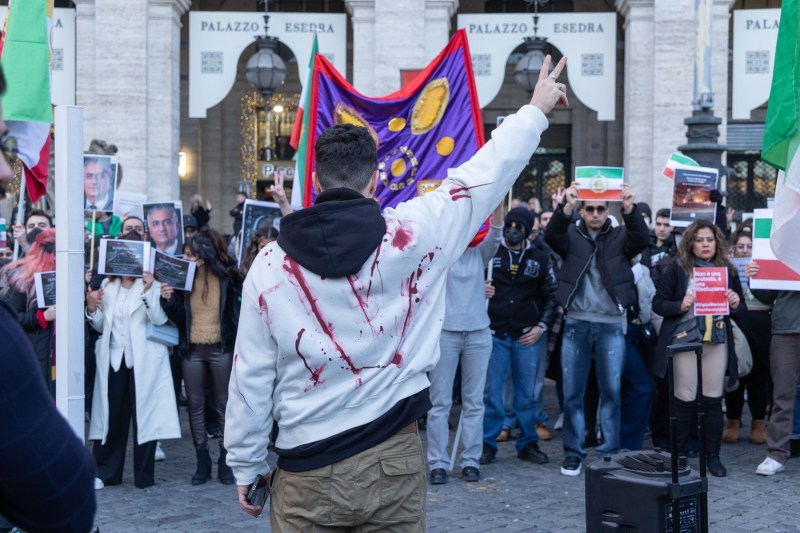
Demonstration in Rome's Piazza della Repubblica, organized by the Italy-Iran Association, in solidarity with the Iranian people's protests against the Ayatollah's regime, on January 13, 2026. Illustrative image. PHOTO: Matteo Nardone / ipa-agency.net / IPA / Profimedia
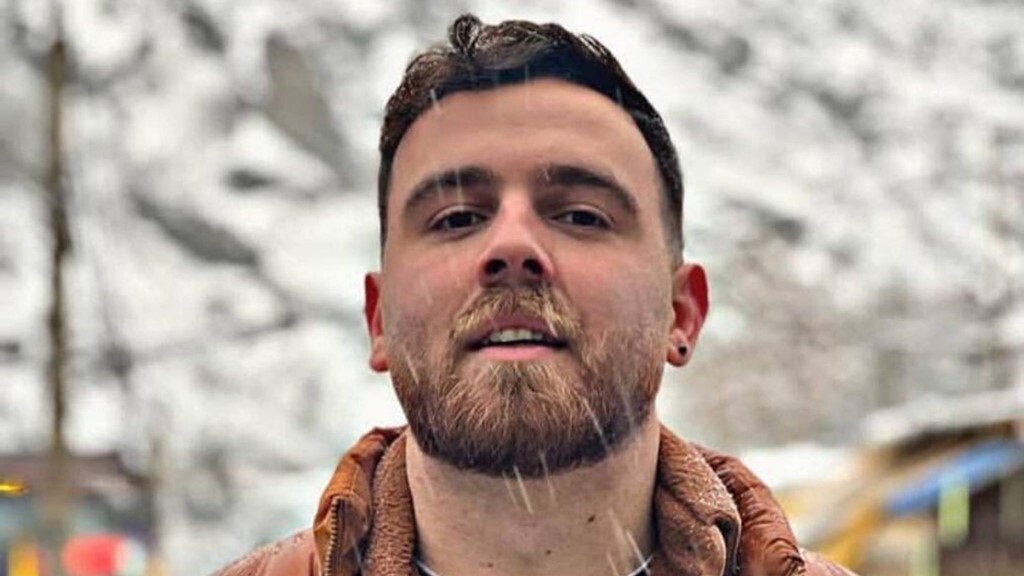
Erfan Soltani, the Iranian protester who is known to be the first person sentenced to death in the bloody protests that have rocked Iran for weeks, was not executed today, a member of his family told British television station Sky News.
He added that Erfan Soltani could be executed at any moment.
The 26-year-old was arrested last Thursday. The Norwegian human rights organization Hengaw announced that he is in Qezel Hesar prison “and the probability that he will be executed in a few hours is very high”.
The US State Department said Soltani's death would be the first execution of a protester in the demonstrations, but “not the last”.
On Tuesday, US President Donald Trump vowed that the US would take “very tough measures” if the regime in Tehran goes ahead with its intention to start hanging protesters, as US military action in Iran becomes increasingly clear.
The US-based human rights group HRANA said it had verified the deaths of 2,403 protesters and 147 government-affiliated people so far, far exceeding the death toll from previous waves of protests repressed by Iranian authorities in 2022 and 2009.
The riots on such a scale have caught the authorities by surprise at a vulnerable time, but the government does not appear to be facing an imminent collapse and its security apparatus is still in control, a Western official was quoted as saying by the Reuters news agency.
What a plan Trump's team is preparing
Trump's National Security Council team met on Tuesday to prepare military options in Iran that the US president could order in the coming days, according to a source familiar with the matter, cited by The Washington Post (WP).
Vice President JD Vance and US Secretary of State Marco Rubio were part of the team that developed this list of military options. At the same time, other avenues have been mooted, such as new economic sanctions, cyber attacks or clearer support for the protest movements, which have spread to cities across Iran.
The meeting came after Trump said Tuesday that he had ordered the cancellation of “all meetings” with officials in Tehran and that the president's Middle East envoy, Steve Witkoff, had suspended contacts he had until recently with Iranian Foreign Minister Abbas Araghchi and his team.
Trump did not rule out the use of military force in Iran if the ayatollahs' regime continues to repress civil protests with violence and kill unarmed demonstrators, indicating on Tuesday that “help is on the way” in connection with the mobilizations, EFE and Agerpres agencies note.
According to several sources close to the White House, cited by WP, the Trump administration is divided on whether an attack on military or government facilities in Iran is the best option, since a military attack, similar to the bombing of nuclear facilities in June, carries a high risk of miscalculation or misinformation by the intelligence services.
In addition, within Donald Trump's entourage there is still reluctance to intervene militarily in the Middle East, which would destabilize the region and be inconsistent with the promise of the “America First” political philosophy.