Viktor Orban, defined by thousands. What risk those who attend Budapest Pride, forbidden by Hungarian authorities

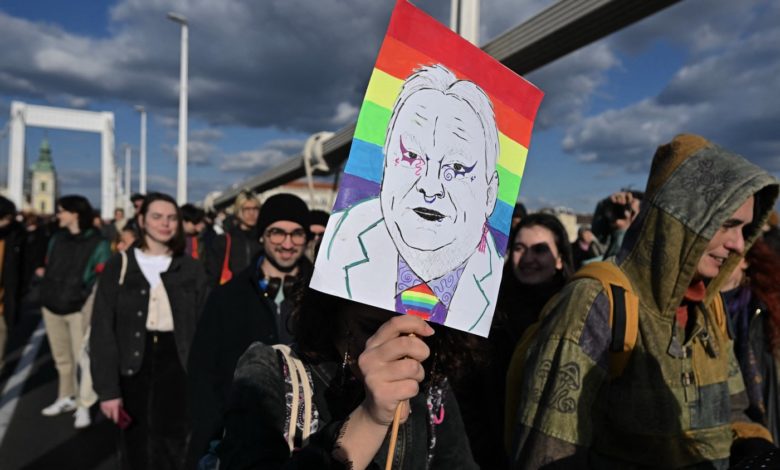
A record number of participants is expected on Saturday afternoon on the streets of Budapest to challenge the Hungarian police prohibition to organize the Pride march, an unprecedented regression of LGBT+ rights in the EU, AFP reports.
Over 35,000 people are expected at the assembly point at 14:00, the local time, near the City Hall in Budapest, one hour before the cortege left.
The nationalist leader Viktor Orban wants to avoid the images of violent repression: on Friday, he excluded any intervention of law enforcement, while threatening homosexuals, lesbians and transgencies with subsequent legal consequences.
The whole of Europe will have eyes on this country of 9.6 million inhabitants, which has attracted the anger of the European Commission with this measure, comments France Presse.
The Equality Commissioner, Hadja Lahbib, went to Budapest on Friday, considering that it is his “duty” to support LGBT+ people after this prohibition, reminiscent of those in Moscow in 2006 and from Istanbul in 2015.
She joined the organizers and ecological mayor of Budapest, Gergely Karacsony, who decided to hold the Pride March, considering that such a municipal event does not require official authorization.
Installed cameras
Slovakia, Romania, Bulgaria … Budapest Pride President, Viktoria Radvanyi, is afraid of a domino effect in other countries in the region, where the rights of the LGBT+ community remain fragile.
“This year, Budapest Pride is not only a holiday, but a strong international position,” she believes.
After 33 countries expressed their support for the march, the Minister of Justice warned the accredited diplomats in Budapest that if they participate in this prohibited event, they will have to bear the consequences. At least 70 MEPs announced their presence, a delegation that will be led by the Vice-President, Nicu Stefănuță.
Along the route, surveillance cameras have been installed, and facial recognition could allow the authorities to apply fines of up to 500 euros, while organizing or calling on the event is liable to one year in prison.
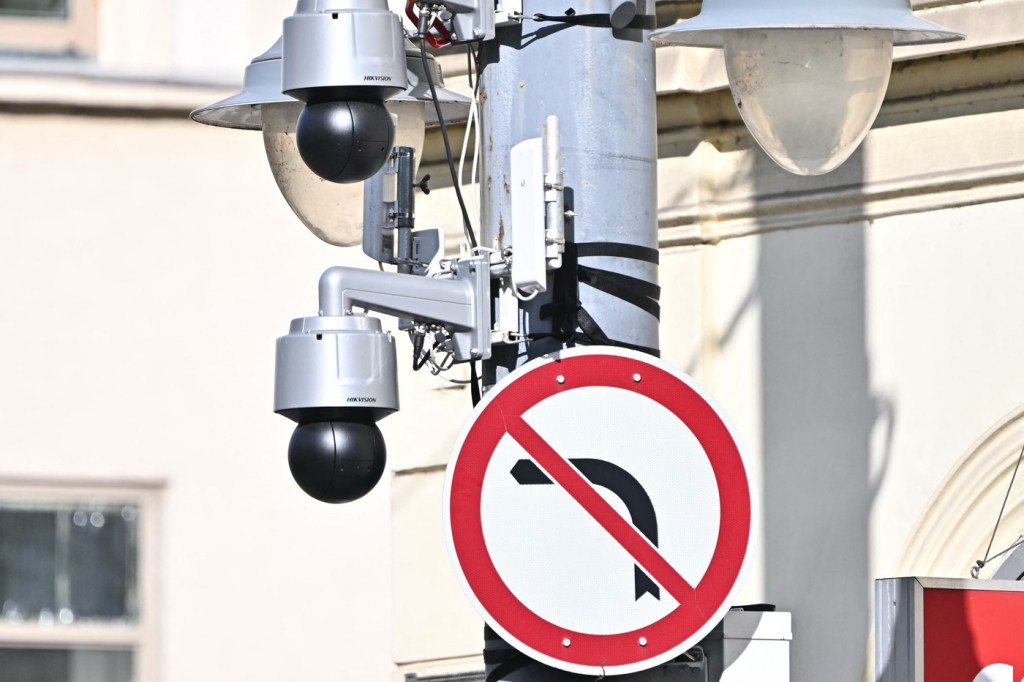
This procedure aims to “intimidate people”, according to political analyst Daniel Mikecz, while, from a legal point of view, the prohibition violates the European treaties signed by Hungary to its accession to 2004.
According to the Government, minors should not be exposed to homosexuality and transsexuality, and even less to scenes of “bone”.
In addition to the law adopted in mid-March aimed at the prohibition of such meetings, the Government went to amending the Constitution to secure its back. He affirms the best interest of the child to justify the discussion of the freedom of manifestation.
“Polarization of society”
And as the oppositors of the far right were obtained the authorization to march in the same place, it was necessary to adapt this 30th edition, between security councils, training in legal matters and help from dozens of NGOs.
Encouraged by Donald Trump's offensive against diversity promotion programs, “Viktor Orban uses before next year's legislative elections, a conflict,” says Mikecz. “The polarization of the society on the topic of migration has worked well in the past,” he recalls.
This month, an 26-country plaster survey showed that only 30% of Hungarian respondents claim the idea that LGBT+ people can assume sexual orientation or gender identity in any circumstance.
However, before Viktor Orban's return to power in 2010, Hungary was one of the most progressive countries in the region: homosexuality had been decriminalized since the early 1960s, and the same -sex union has been recognized since 1996.
But the head of the government, a promoter of “illiberalism”, gradually changed the situation.
Pride marches are organized by associations, often in June, reminiscent of Stonewall riots, the founding mobilization of the LGBT+movement, which took place on the night of June 27 to 28, 1969, in New York, after a police descent in a gay bar.