Opponents of the EU-Mercosur agreement do not give up. Poland's key role


Even if European Commission President Ursula von der Leyen flies to Paraguay next Saturday to sign an agreement with the Mercosur bloc after more than 25 years of talks, it could still be many months before we know when — or even if — the deal will actually come into force.
All because of the complicated decision-making process in the EU. The deliberations of the EU Council, the intergovernmental body of the community, ended on Friday, and the next act will take place in the European Parliament. The most likely scenario is ratification by MEPs this year, however, there will be plenty of emotions along the way.
“This is becoming illogical,” says an EU diplomat, asking not to be named. — If the European Parliament rejects this agreement, we will face a European crisis.
“Artificially inflated problem”
Supporters argue that an agreement with Mercosur – which groups Argentina, Brazil, Paraguay and Uruguay – is the EU's best chance to gain friends in the world at a time when Europe is trying to oppose Donald Trump's aggressive actions (the latest of which are the American president's threats to annex Greenland).
The article continues below the video
However, over 140 MEPs are already questioning the legal basis of this agreement, fearing that it violates EU treaties. They want it to be referred to the Court of Justice of the EU for a legality check, which could delay the entry into force of the agreement by up to two years.
Before the Christmas break, the leaders of the political factions agreed that the matter would be put to a vote as soon as the governments signed the agreement. According to a representative of the European Parliament, the vote is expected during next week's plenary session.
Although the rebellious MEPs have enough votes to submit a plenary debate, they will most likely lack a majority in the 720-seat Parliamentto adopt the resolution itself.
— I don't think this legal challenge has any real chance of success. This is an artificially inflated problem, much ado about nothing, both in terms of environmental and health issues, as well as the competences of national parliaments. All this has already been checked and researched, says David Kleimann, senior trade expert at the Brussels-based think tank ODI Europe.
Polish minister: we will not allow this agreement to continue
The dispute in the European Parliament is only one of the fronts. The biggest opponents of the agreement, Poland and France, also do not intend to give up. Stefan Krajewski, the Polish Minister of Agriculture, announced on Friday that he would strive for the government to also file a complaint with the Court of Justice.
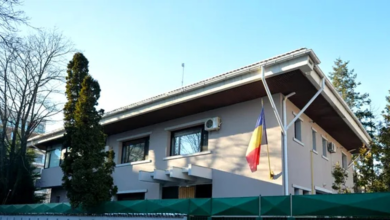
– We will not allow this agreement to proceed any further – he said, adding that Poland will ask the court to assess whether the pact with Mercosur is legal. On the same day, protesting farmers dumped manure in front of the minister's house.
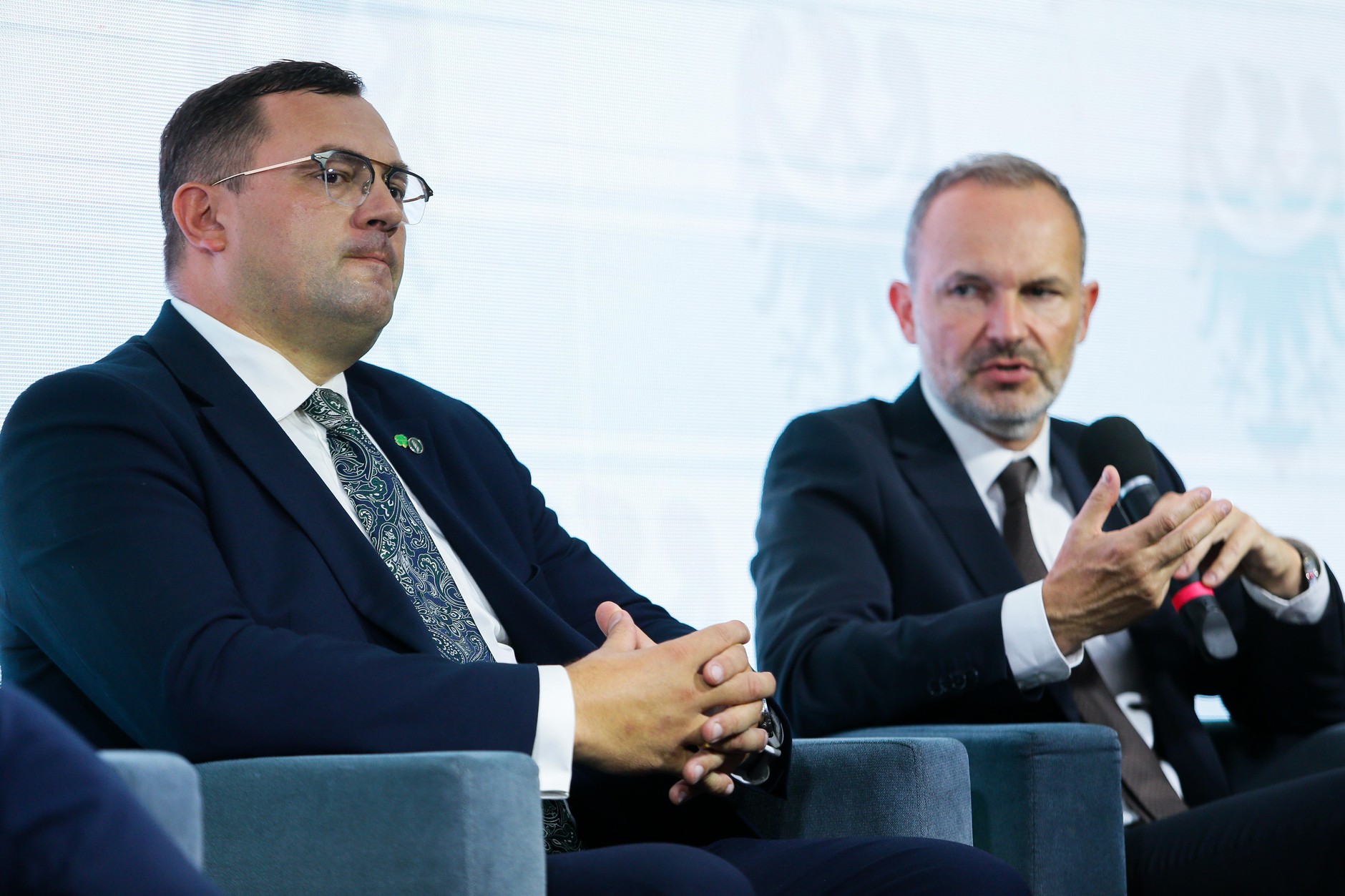
Minister Stefan Krajewski and MEP Krzysztof Hetman at the Economic Forum in Karpacz, September 3, 2024.Jarek Praszkiewicz / PAP
MEP Krzysztof Hetman, a member of the center-right European People's Party and a political ally of Krajewski, emphasizes that appeals by MEPs and member states will be processed separately, but with the same goal. – If one of them turns out to be effective, the other may turn out to be unnecessary – he says, adding that as long as the court considers the complaint, the contract de facto is frozen.
Meanwhile, French President Emmanuel Macron is under enormous pressure from the political opposition to do more to block the deal. France, Poland, Austria, Ireland and Hungary voted against the agreement last weekand Belgium abstained. This left Mercosur's opponents without a sufficient blocking minority to reject the deal altogether.
On Wednesday The National Assembly in France will vote on two motions of no confidencesubmitted by the extreme right (National Rally) and the extreme left (Unconquerable France).
Even if opposition to the Mercosur deal is widespread, both proposals have little chance of overthrowing the French government. The left is unlikely to support ZN, and moderate socialists refrain from supporting FN. However, the French parliament is so divided that nothing can be ruled out.
Opponents of the agreement know that it will not be easy
Even some rebellious MEPs admit that their actions are unlikely to be successful and that however, the European Parliament may support the deal when it votes later this year. — Now that the Council has approved it, it will be very difficult, says Hetman. — Supporters of the agreement know this well, which is why they sabotaged the vote to take the case to court in November and December.
Other opponents still see a chance to block the deal and believe the legal initiative could gain widespread support. — We want to delay the ratification process as much as possible [umowy z] Mercosur, said Manon Aubry, co-chair of the Left faction, in an interview with POLITICO before the Christmas break. She added that she sees signs that a majority of MEPs may ultimately vote against the agreement: — I assume that there are even more MEPs who want to be sure that the agreement fully complies with the EU treaties.
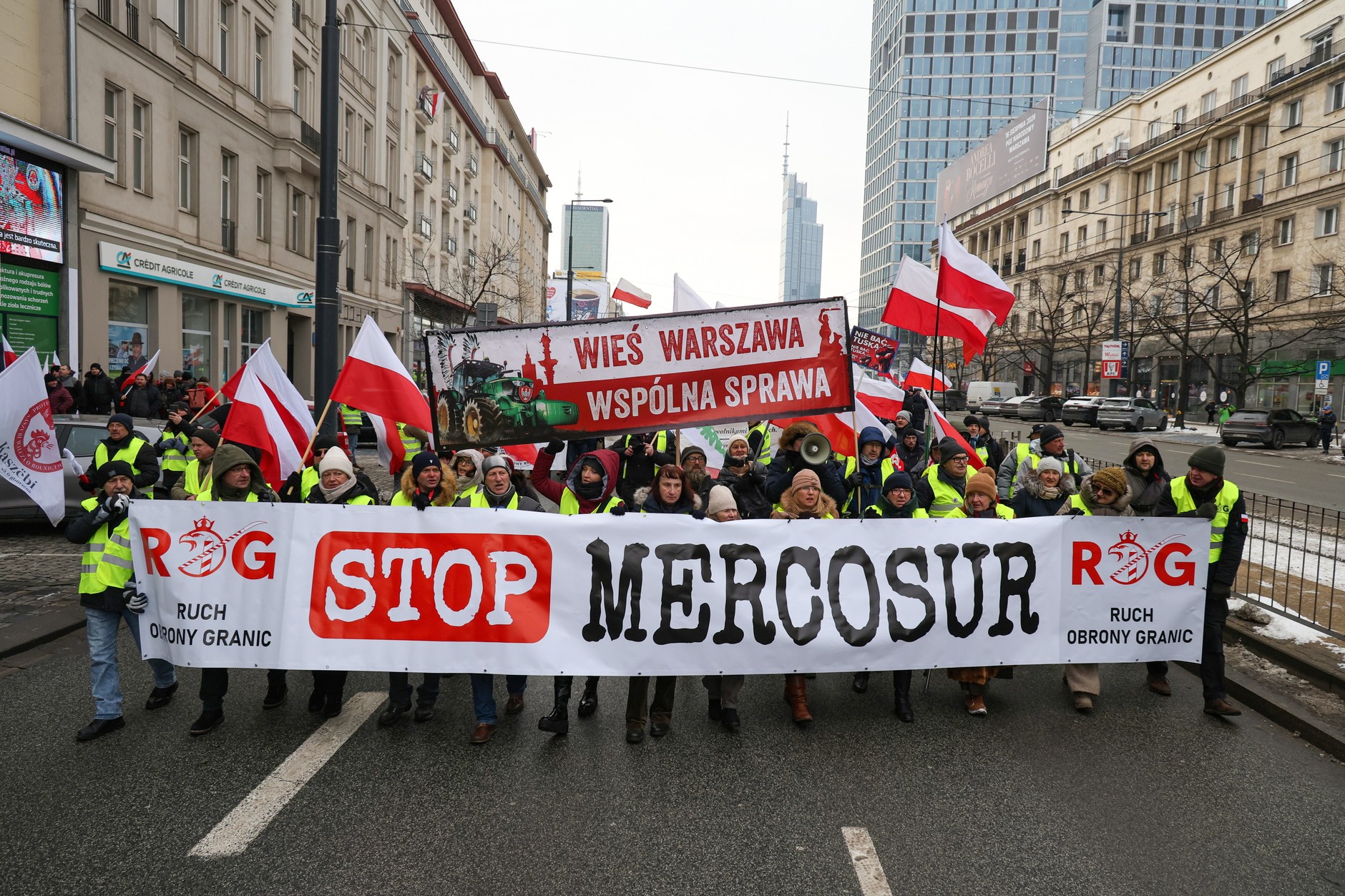
Farmers' protest in Warsaw against the EU-Mercosur agreement and the government's current policy towards rural areas and agriculture, January 9, 2026.PAP/Paweł Supernak / PAP
If the court rejects the request for a legality review, Parliament will vote for or against the ratification of the trade agreement, without the possibility of modifying it. According to Bernd Lange, chairman of the trade committee in the European Parliament, such a vote could take place at the earliest during the plenary session in May. Lange, a German social democrat, is confident that there will be a “sufficient” majority to adopt the agreement.
Pedro Lopez de Pablo, spokesman for the European People's Party, i.e. the von der Leyen political family and the largest faction in the European Parliament, assures that the majority in the party supports the agreement and downplays the legal maneuvers. — It is clear that such actions are of a political nature and are intended to delay the implementation of the agreement, and do not result from legal analysis, he said.