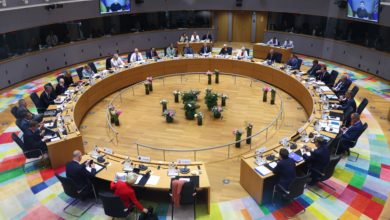
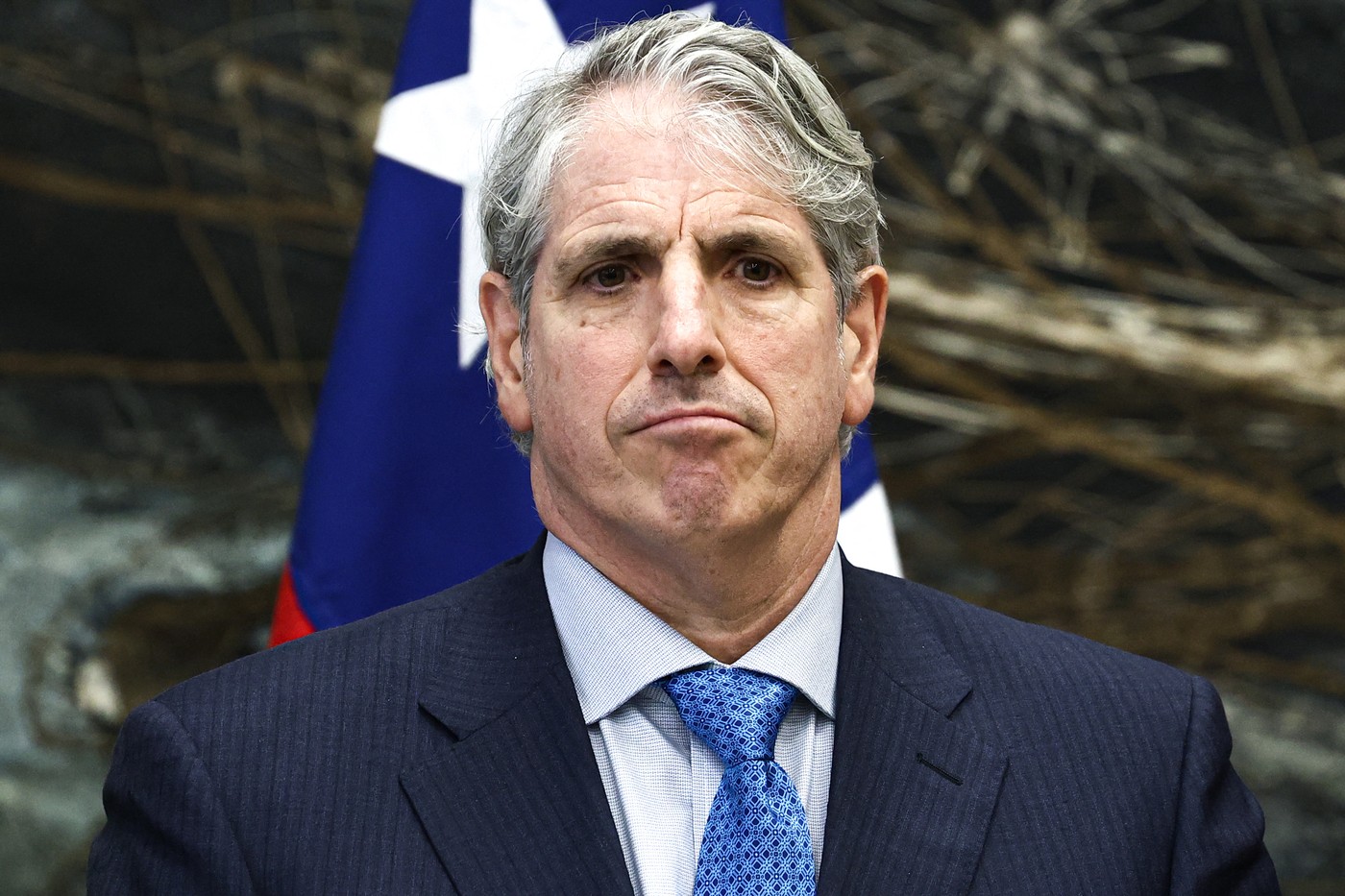
Ukrainian parliamentarians did not approve, on Tuesday, the appointment of Denis Shmihal, who until now led the Defense portfolio, as Minister of Energy, informs Reuters, who notes that the gesture represents a surprising wartime rebuke to President Volodymyr Zelensky, in the context in which he is trying to reorganize some key sectors at a critical moment of the war.
Shmihal, who served as prime minister for five years until being moved to the Defense Ministry last year, was chosen by Zelenski to lead an energy sector plagued by allegations of corruption and massive Russian attacks on infrastructure.
The last energy minister who had a stable mandate was dismissed at the end of last year in a corruption scandal that also implicated his predecessor.
The post has been vacant for nearly two months as Moscow has stepped up its campaign of massive aerial bombing of the energy sector, leaving millions without electricity and heating in freezing temperatures.
The appointment of Şmîhal to lead the Energy portfolio did not obtain the necessary 226 votes, with 210 MPs voting in his favor and three opposition parties abstaining.
Boiling in Zelensky's party
More than 20 MPs from Zelenskiy's ruling party (“Servant of the People”) did not vote on the appointment of the new minister, reflecting, according to Kyiv-based political analyst Volodymyr Fesenko, poor discipline within the party.
Since Russia invaded its neighbor in February 2022, the legislature has effectively functioned as an approving body, keeping Ukraine in a wartime state.
“This is a sign that he is losing control of parliament,” Fesenko said. The unrest within the party is not new, but the party's leaders have in the past been able to muster the necessary votes, the analyst added.
Shmihal was nominated for the post of energy minister as part of a wider government reshuffle as Kiev faces increasing pressure from Russia as next month marks four years since the Russian invasion began.
Also on Tuesday, the parliamentarians in Kiev were also supposed to appoint the current Minister of Digital Transformation, Mihailo Fedorov, to the position of Minister of Defense, before the closing of the legislative session.
Parliament will reconvene on Wednesday to try again to appoint Shmihal and Fedorov, lawmakers announced in the meantime. Both had already been rejected by the legislature, in the context in which a smooth vote was expected.
Lack of competent managers
Opposition lawmakers criticized the wartime reshuffle as potentially disruptive at a critical time in the conflict.
Some targeted Shmyhal in particular, saying he had failed to successfully manage the energy sector as Ukraine's longest-serving prime minister.
His candidacy for a third term in Zelenski's cabinet also highlights the acute shortage of managers considered capable of running key sectors.
“You can't appoint the same person to all positions when the situation has reached the boiling point,” said Solomiia Bobrovska, a member of the liberal opposition party Holos, who abstained from voting.
The resignation of the head of the SBU, accepted
Also in Tuesday's session, the Supreme Rada (the unicameral parliament of Ukraine) approved the resignation of the head of the Security Service (SBU), Vasil Maliuk.
Zelensky had little to reproach Maliuk with, given that under his leadership the service had undertaken a series of spectacular operations against military targets on Russian soil. The Ukrainian leader announced that he will leave his post at the beginning of January.
Several generals and other high-ranking figures in Ukraine's military and security apparatus had expressed support for Maliuk before Zelenskiy officially fired him.
Maliuk was not present in parliament during Tuesday's vote. The speaker of the Ukrainian legislature, Ruslan Stefanchuk, said he did not know why Maliuk did not participate in the plenary session, although he had been informed, Interfax-Ukraina reported, according to Agerpres.
The vote on the SBU chief's resignation also caused tensions in parliament. The defense commission of the Supreme Rada supported the dismissal of Vasil Maliuk on Tuesday, on the second attempt. A day earlier, this commission had voted to keep Maliuk in office.
On January 5, President Zelenski met with Vasil Maliuk, and at the end of the meeting he announced that he was retiring from office.
Maliuk then confirmed he was leaving his post, but said he would remain within the SBU system to implement “world-class asymmetric special operations” that would continue to inflict maximum damage on Russia.
Before the vote, the head of the parliamentary group of the “Servant of the People” party, David Arahamia, announced that Maliuk proposed as his replacement Yevhen Hmara, head of the Special Operations Center “A” of the SBU.
Zelenskiy had already appointed Hmara as acting head of the SBU after Maliuk “announced his retirement” on January 5.
Under the leadership of Vasil Maliuk, the SBU has become an effective intelligence service of a country at war and has also conducted a series of successful special operations against the aggressor country, the Russian Federation, also on January 5, the Security Service of Ukraine said in a statement on its Facebook page.
One of the most brilliant operations was the large-scale operation “Pautina” (“Spiderweb” or “Spider's Web”) which hit four Russian military airfields hard, destroying 41 strategic military aircraft, which were part of Russia's nuclear triad, according to the same SBU statement.
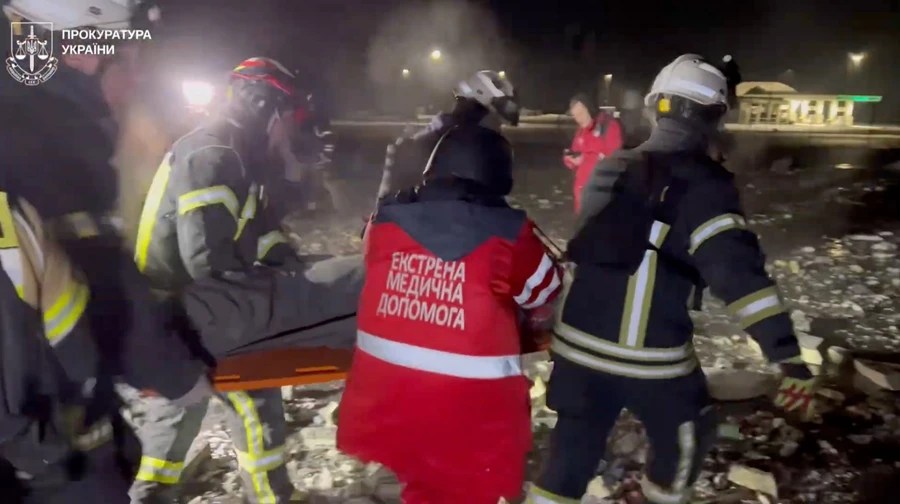 The most intense attack by the Russians on Ukraine, with ballistic missiles, since the beginning of the year / Explosions and power outages in Kiev, many victims in Kharkiv
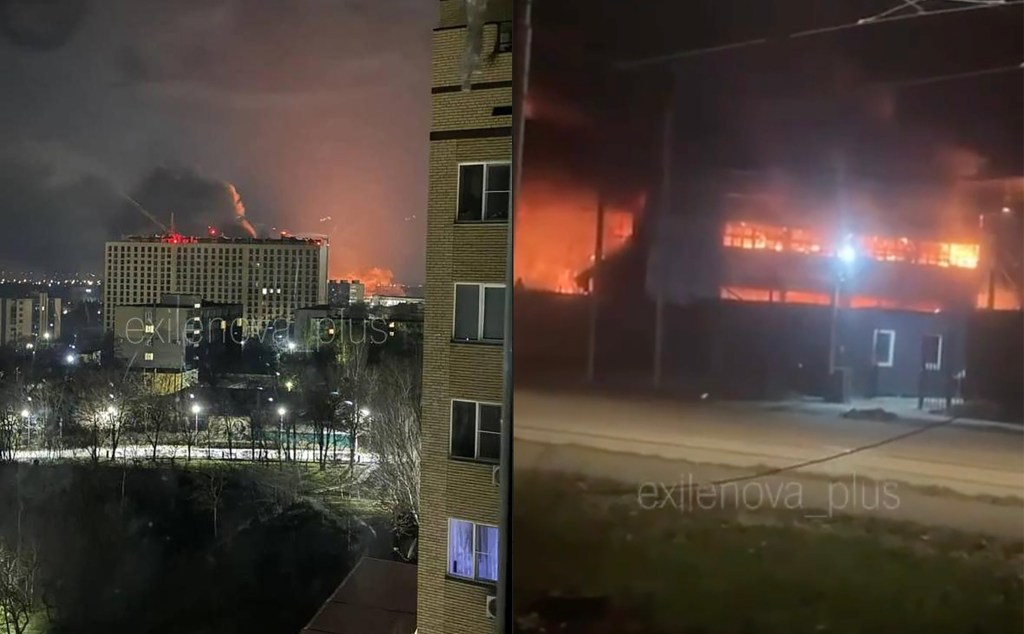 VIDEO The Ukrainian army announces that it has destroyed a drone factory in the Russian region of Rostov. What Russian officials say