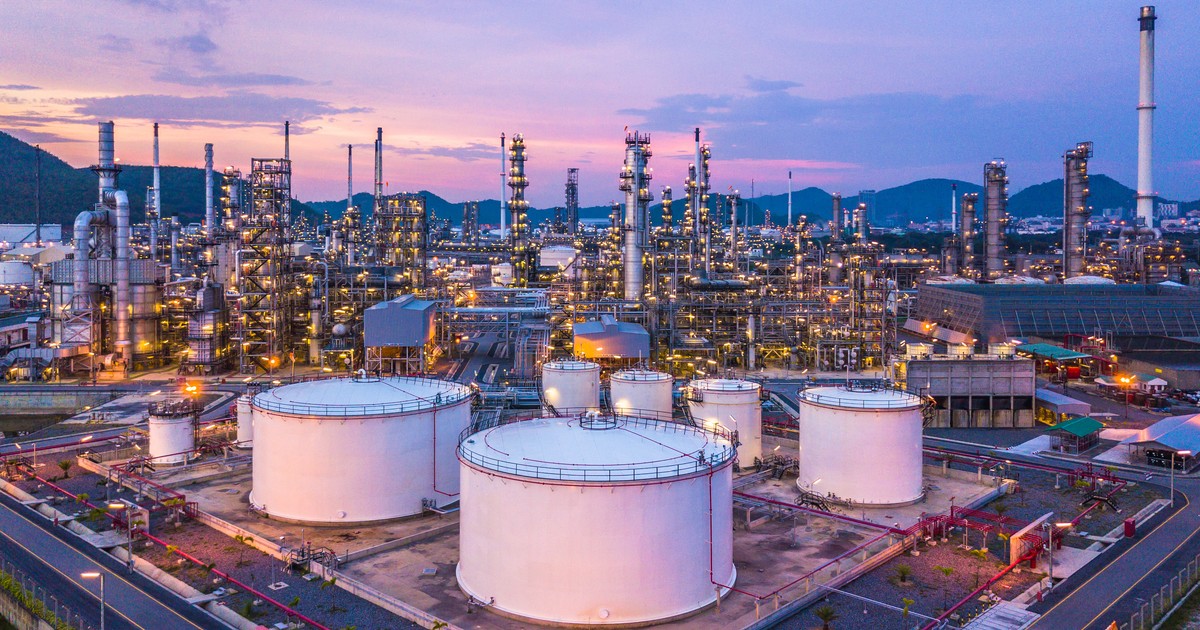
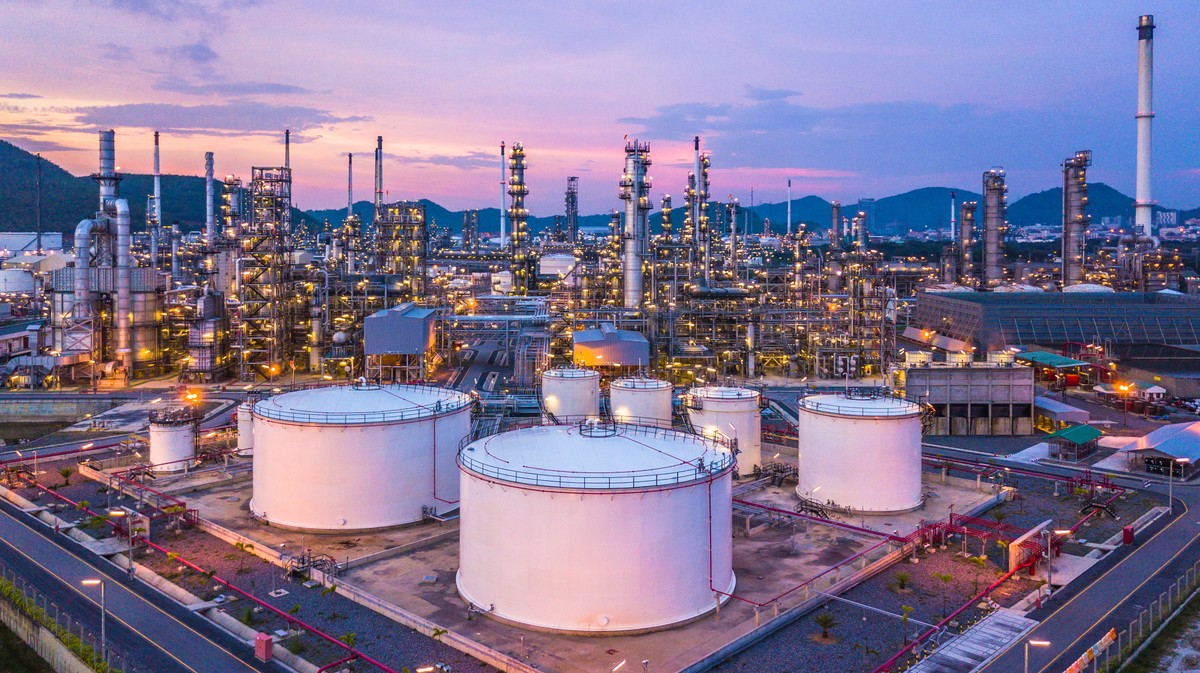
On Monday morning, a barrel of West Texas Intermediate crude oil for February deliveries cost $59.22 on the NYMEX in New York, which means an increase of almost 0.2 percent. Brent prices on the ICE exchange for March are increasing to the same extent and are valued at USD 63.46. per barrel. But in three days, prices increased by almost 6 percent in total.
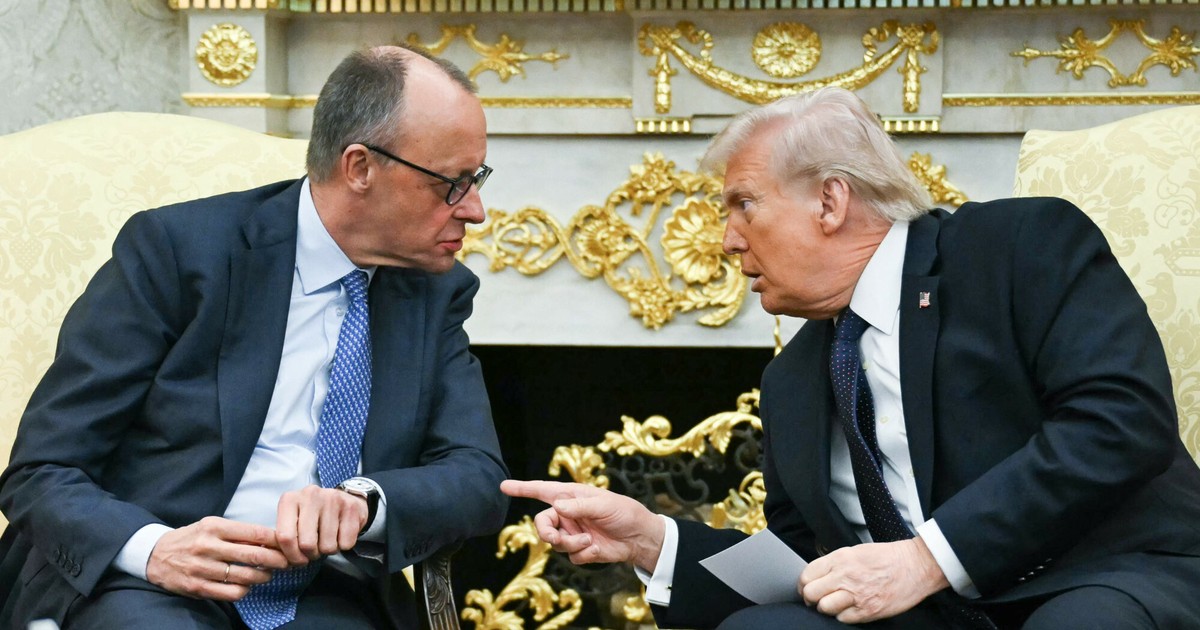
US President Donald Trump said he was seriously considering launching an attack on Iran in response to the crackdown on anti-regime protests. However, he added that the Iranian authorities wanted to talk and that he might meet with them.
President Trump referred to the situation in Iran and his threats to use force during a conversation with journalists, and when asked whether he was seriously considering the option of attacking Iran, he confirmed that he was “looking at it.” He added that he intended to meet the son of the former Shah of Iran, Reza Pahlavi, who is encouraging the US to attack the regime.
Donald Trump previously twice threatened the Iranian regime with a strong response if it shot at anti-regime protestors. The president added that he receives reports on the situation almost every hour.
“Some protesters died, trampled in panic, there were so many of them, and some were shot. I'm getting reports every hour and we will make a decision,” he said. The US president also noted that he had “very strong options on the table.”
Donald Trump also revealed that “Iran's leaders” called him on Saturday and “want to negotiate.” He added that he might meet with them, but also assessed that he might be forced to act before the talks. Referring to the possibility of Iranian retaliation against U.S. forces in the region or other U.S. facilities, Trump threatened that the U.S. “will respond with a force like it has never seen before.”
Meanwhile, the independent station Iran International reported on Sunday that, according to conservative estimates, at least 2,000 people died in protests in this country. people. Authorities in Tehran accused the US and Israel of inspiring the protests and warned that these countries could become targets of attacks.
Venezuela is in the background for now
Investors fear that the situation related to Iran may limit oil supplies from this producer. For now, the possibility of disruption to Iran's oil exports – at a level of almost 2 million barrels per day – has eased market concerns about a global oil glut, which is driving down prices and bearish sentiment among market players.
Meanwhile, the unrest in Iran has somewhat diverted investors' attention from Venezuela, where US special forces carried out an operation in Venezuela on January 3 and captured its president, Nicolas Maduro, whom Trump accused of complicity in drug smuggling to the US.
See also: Donald Trump vs. Jay Powell. Markets react to the investigation into the Fed chairman
The duties of the current leader were taken over by his deputy, Delcy Rodriguez, but the American administration announced that during the transition period, which may last years, the US will exercise actual control over the country.
“Venezuela is releasing many political prisoners as a sign of the pursuit of peace. This is a very important and wise gesture. The US and Venezuela are working well together, especially in rebuilding the oil and gas infrastructure in a much bigger, better and more modern form,” wrote Donald Trump on his Truth Social social media platform.
What's next for the price of crude oil?
In 2025, Brent and WTI prices dropped by approximately 19%, respectively. and 20 percent as a result of increased production by OPEC+, the United States and other producers. Analysts from the Goldman Sachs investment bank maintained their average price forecast for 2026 at $56. per barrel for Brent and $52. per barrel for WTI. They predict that Brent and WTI prices may fall to USD 54 respectively. and $50 in the last quarter of the year, when stocks in OECD countries increase.
They indicated that market rebalancing will likely require lower oil prices in 2026 to limit non-OPEC supply growth and stimulate stable demand, assuming no major supply disruptions or production cuts by OPEC.
A recent Reuters poll of 34 economists and analysts is in line with Goldman Sachs' forecasts: projecting an average price of Brent crude oil of $61.27. per barrel in 2026, and American oil at USD 58.15. Survey analysts noted that even with OPEC+ maintaining production, supply is likely to exceed demand, keeping prices under pressure throughout the year.
Analysts are watching the possibility of increasing oil production by Venezuela. The policy change could enable the country to raise production to between 1.3 and 1.4 million barrels per day (bpd) within two years. They noted that any recovery would likely be gradual and require large investments, estimating a potential decline in oil prices in 2030 of $4. per barrel if Venezuelan production reaches 2 million bpd.