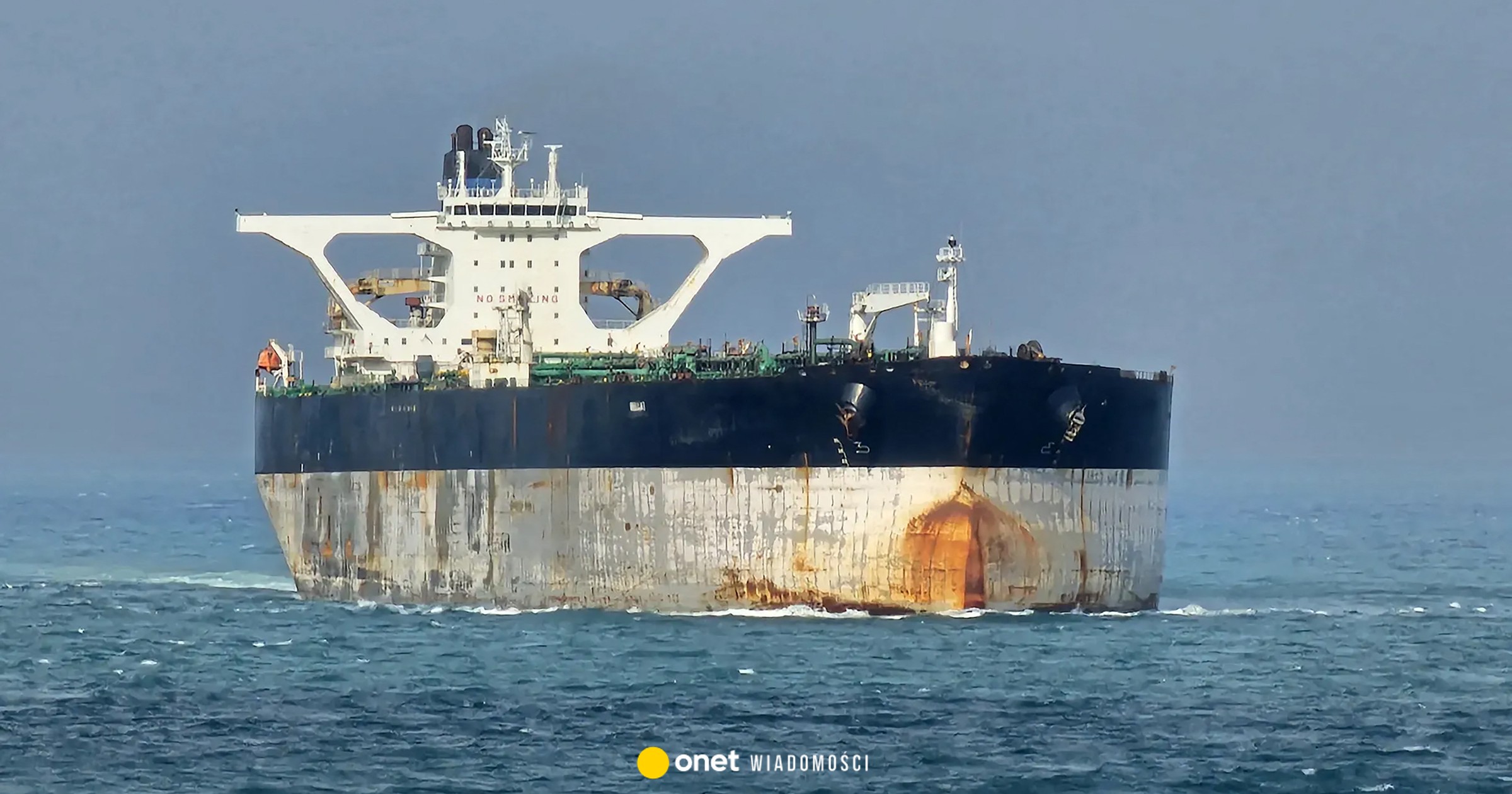
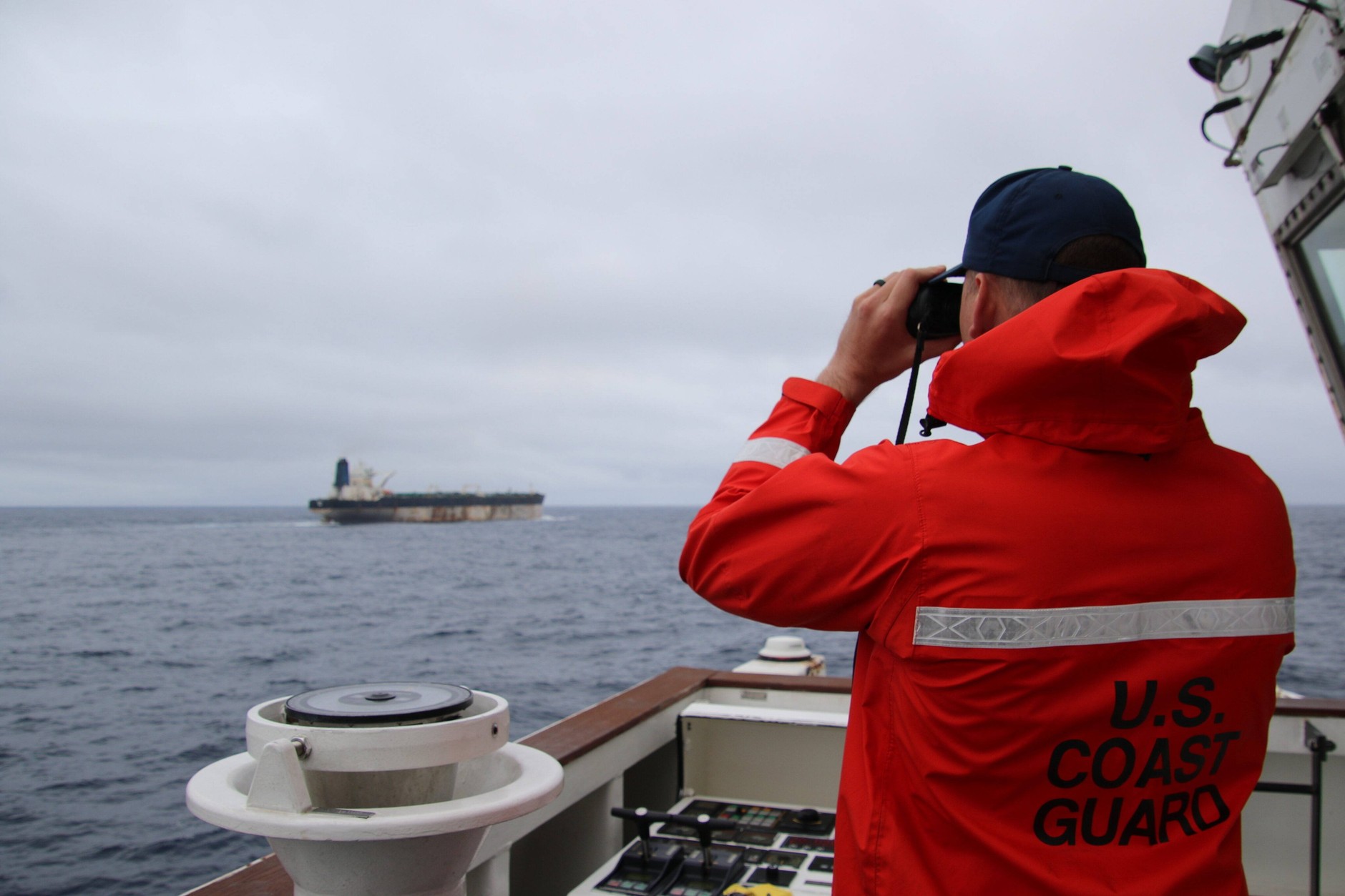
On January 7, U.S. forces seized two tankers linked to Russia's “shadow fleet,” ending a weeks-long pursuit of one of the ships, the Bella 1. As the vessel tried to gain Russia's protection by changing its flag in late December, Moscow mobilized warships and a submarineto intervene. Despite these actions, American soldiers eventually boarded and stopped the ship.
Since then, the Russian ministries of transport and foreign affairs accuse Washington of violating the UN Convention on the Law of the Seawhile the United States maintains that the operation was a lawful enforcement of sanctions.
Changing a ship's flag at sea constitutes a violation of the law, in accordance with Art. 92 of the United Nations Convention on the Law of the Sea (UNCLOS), which is the basic global act regulating this field:
As Pierre Thevenin explains, according to Art. 92 section 2, the reflagging from Guyana to Russia could have meant that Bella 1 – later renamed Mariner under Russian jurisdiction – lost its original legal protection: :
When a ship flies the flag of a particular country, such as Panama, it is subject to the exclusive jurisdiction of that country. Only the Panamanian authorities may act on board, control or detain such a vessel (in accordance with Article 94 of UNCLOS). There are only four exceptions where this jurisdiction may be restricted: slave trade (Article 99), piracy (Articles 100 and 101), illegal drug trade (Article 108) and unauthorized broadcasting from the high seas (Article 109). In the case of this tanker, no one claims that any of these violations occurred.
When a ship changes flag during a voyage, it is treated as a vessel without nationality. In such a situation, any military or government entity has the right to inspect and seize the ship. This principle is the core of American legal argument. Importantly, similar logic was used by the Estonian and French authorities when justifying the detention of Russian “shadow fleet” tankers in 2025.
Three arguments against taking over the second tanker
Regarding the tanker Sophia, the second vessel detained on January 7: CBS reports that it sailed under the Cameroonian flag. The US accused him of violating the embargo imposed on Venezuela. According to Pierre Thevenin, such a takeover violates international law in several ways:
First, from the perspective of public international law, an embargo is an illegal measure of pressure against a sovereign state because it interferes with Venezuela's right to conduct its own policy – in violation of Article 2 section 7 of the United Nations Charter.
Secondly, under international law of the sea, the embargo violates the right of innocent passage and freedom of navigation in Venezuela's territorial waters (Articles 17-19), in its exclusive economic zone (Article 58(1)) and on the high seas (Article 87).
The seizure of Sofia also violates Cameroon's jurisdiction. Pursuant to Art. 94 only the flag state has the right to arrest its ships. American forces could only seize the ship without Cameroon's consent in cases of slave trading, piracy, drug smuggling or unauthorized broadcasting from the high seas.
Russians remind us of the exception to the rule
Russian officials refer to Art. 92 section 1 which provides exception in case of “actual change of ownership” or “change of register”. Both the ownership and registration of the tanker Bella 1 (renamed Mariner) appear to have been changed while the vessel was pursued by the US Navy.
Takeover of the Mariner tanker by the Americans, January 7, 2026.US EUROPEAN COMMAND HANDOUT / PAP
According to reports from the Financial Times ownership of the tanker was transferred to the Russian company Buriewiestmarin in December. Before U.S. forces detained the ship, it was entered into the Russian maritime registry and its status in the International Maritime Organization database was updated to the Russian flag.
There is currently no clear legal resolution to this dispute. As The Conversation notes, a ship changing its flag during an active pursuit is a precedent in the law of the sea. Both the US and Russia would have to prove their case if a formal investigation was initiated.
Thevenin emphasizes that if a change of flag is deemed illegal under Art. 92 section 1, In practice, Russia would not have the right to take retaliatory actions against the US. In his opinion, a possible military escalation is very unlikely.
I’m Ashley Davis as an editor, I’m committed to upholding the highest standards of integrity and accuracy in every piece we publish. My work is driven by curiosity, a passion for truth, and a belief that journalism plays a crucial role in shaping public discourse. I strive to tell stories that not only inform but also inspire action and conversation.