Flying the Russian flags, the “shadow fleet” comes to light. Dozens of clandestine tankers have done this in recent months


The Marinera, the vessel captured by the United States, is not the only one in the clandestine fleet of oil tankers that recently chose a Russian identity in order to ensure their protection, write journalists from The New York Times, quoted by Rador Radio Romania.
The clandestine fleet emerges from the shadows. In recent days, as the U.S. military chased an old, rusting oil tanker off the coast of Venezuela and further into the Atlantic Ocean, the runaway vessel changed its identity. Formerly known as Bella 1, the vessel was renamed Marinera. He no longer claimed to be from Guyana. The new flag, hastily painted by the crew in the midst of the chase, was the Russian tricolor.
According to some naval experts, the alleged Russian identity of the vessel was probably intended to stop the United States from pursuing the vessel and to signal the possible danger of a Russian retaliation in such an event. The US military continued its operation anyway, and on Wednesday the vessel was intercepted in the waters between Iceland and Scotland. So far, Russia has not reacted much.
However, the vessel's choice to fly the Russian flag is part of a growing practice in which some clandestine tankers have sought to secure Russian protection as Western countries tighten their grip on the global clandestine oil trade.
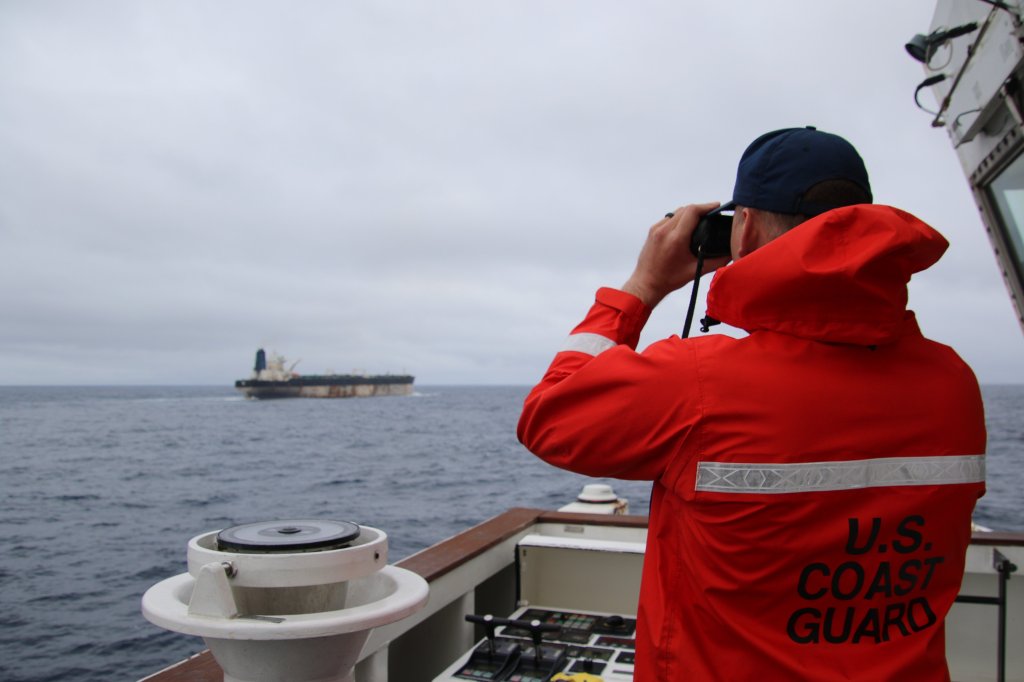 VIDEO US forces intercepted a Russian-flagged oil tanker in the Atlantic, after the ship broke the blockade imposed by the Americans in Venezuela / Harsh reaction from Moscow
According to an analysis by the American newspaper The New York Times, in recent days five oil tankers recently in Venezuelan waters, including Marinera, preferred to fly the Russian flag. All the vessels came under US sanctions because they were carrying Iranian or Russian oil.
Last month, 17 clandestine tankers opted for the Russian flag, according to Lloyd's List – a maritime intelligence and investigation firm – and, since June of last year, more than 40 vessels have done the same. In one reported incident last year, the Russian military intervened directly, sending a warplane as a stern warning to Estonia when the country stopped the tanker.
“Essentially, we are dealing with a flight of risks,” says Richard Meade, editor-in-chief of Lloyd's List. “After flying four or five flags, we now find that the vessels are mainly registering as Russian.”
For years, older clandestine vessels like the Marinera have provided a means of survival for countries like Venezuela, Iran and Russia, but also for non-state entities like drug cartels, allowing them to evade sanctions by secretly transporting oil around the world. Often these vessels fly unproblematic flags, such as the Cook Islands, or none at all, thereby concealing the involvement of the contracting countries.
“Previously, the problem with all these clandestine vessels was that the Russians could plausibly deny their ownership,” says Meade. “The vessel could have belonged to a shell company in Dubai. It was registered to a Seychelles trust. It claimed to have insurance, but no one ever saw any real documents. These were not things that Russia wanted to say were 'our vessels'.”
However, this scheme left the vessels vulnerable.
According to data provided by Kpler and TankerTrackers.com, two firms that monitor oil shipments around the globe, the Marinera was sanctioned by the United States for carrying Iranian oil, and it is not known whether the vessel has also carried Russian oil in recent years.
“On the oceans, what is legal is not always wise”
Although the United States captured the vessel without incident, Russia has been more aggressive in defending clandestine vessels closer to its shores.
In May of last year, Estonian authorities tried to stop an oil tanker called Jaguar that was in the waters of the Baltic Sea, which Estonia said did not belong to any state. Russia sent a warplane to defend the vessel, wanting to show that it wanted to protect it, as it was carrying Russian oil and headed for India. The Estonian Navy escorted the vessel into Russian waters.
“There has been a lot of controversy in Europe about the reaction to such vessels,” says Gonzalo Saiz Erausquin, a researcher at the Royal United Services Institute, a British defense and security think tank. “They have never taken any measure of such harshness.”
The European Union and Great Britain have imposed sanctions on around 600 clandestine vessels involved in Russia's illicit oil transport. After a series of cases in which such vessels were suspected of breaking submarine cables, countries began to resort to military action.
In December 2024, a Finnish commando stopped an oil tanker suspected of having cut several cables, and in October the French Navy also seized an alleged clandestine oil tanker.
Elisabeth Braw, a prominent member of the Atlantic Council who has written a number of materials on clandestine vessels, says that the US operation to seize the Marinera, while probably legal, could have unintended consequences, including endangering American vessels.
“What is clear on the oceans is that the legal thing is not always the wise thing,” she says. “For any other country in the world, especially for countries that don't respect the law to the same extent as, say, Scandinavia, the message would be that they can take action against ships at sea, because who's going to stop them?”
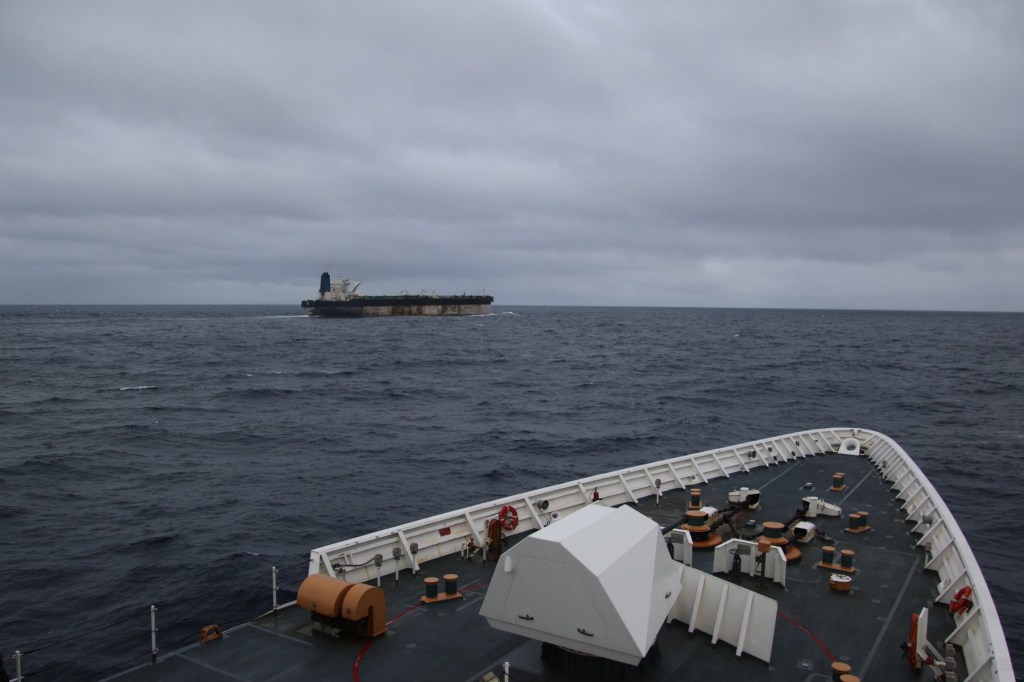 “Acute International Crisis Situations”. Violent reaction of Moscow after the capture of the Russian oil tanker in the Atlantic