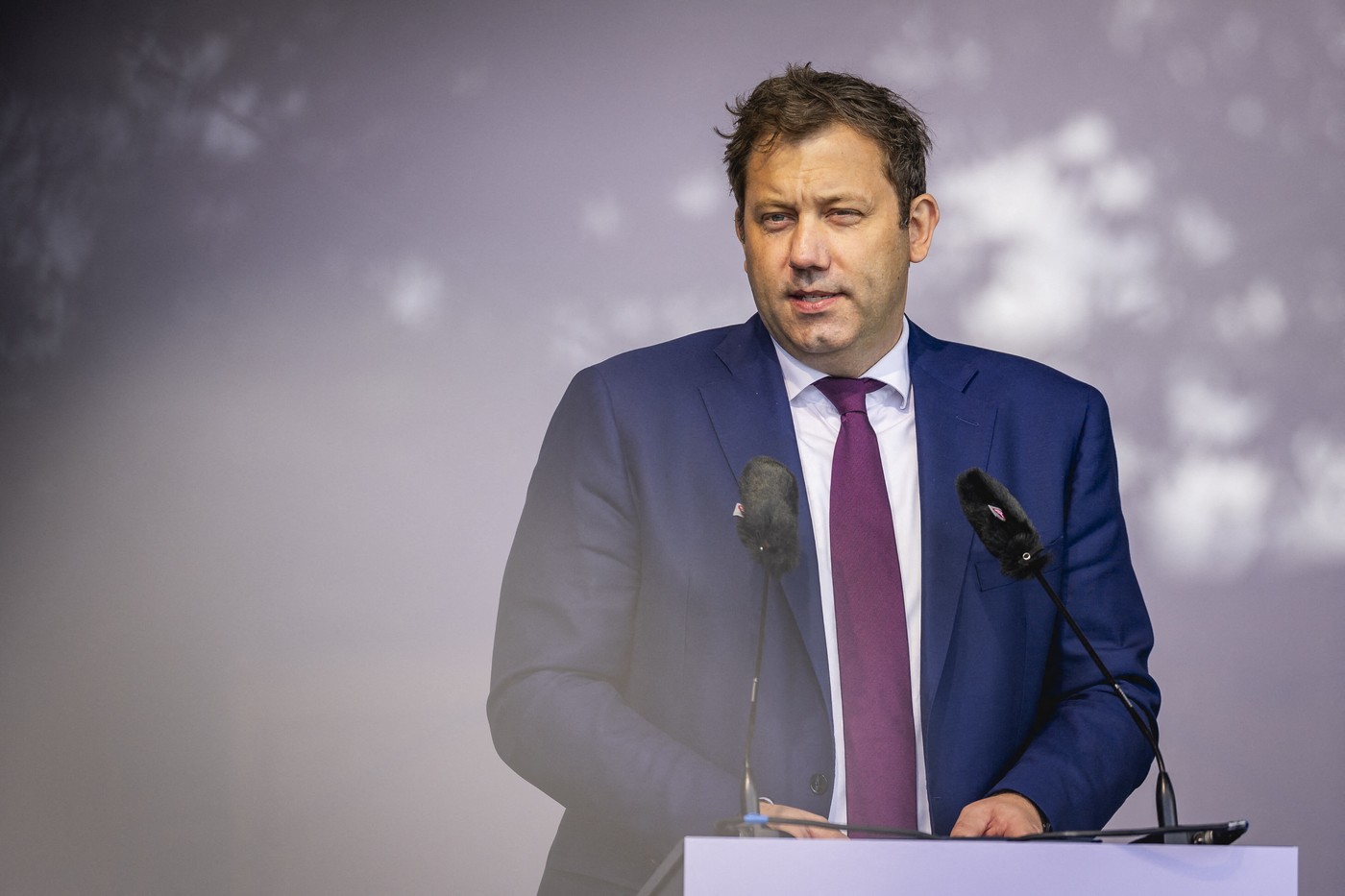
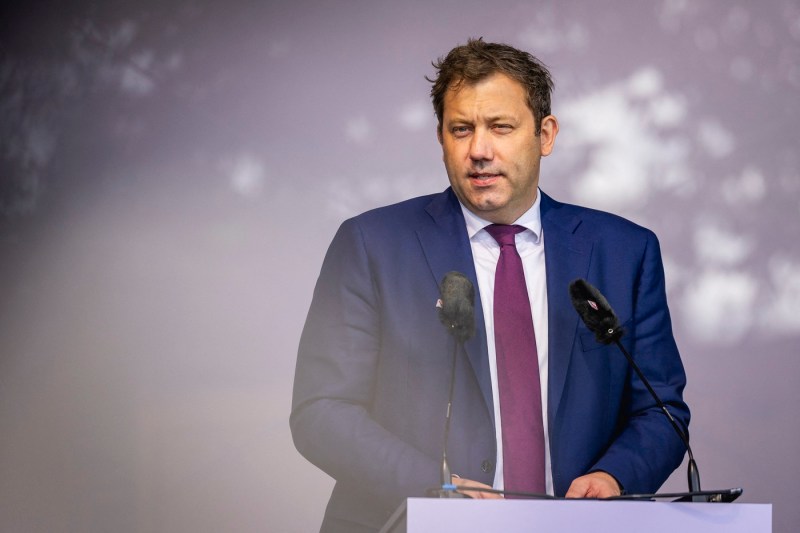
Lars Klingbeil. Credit: Juliane Sonntag / AFP / Profimedia
The German Finance Minister Lars Klingbeil asked on Wednesday a more “modern” EU budget to channel funds to improve railway and cross -border connections, energy networks, external border security and research, Reuters reports.
Klingbeil insisted on a six -point plan for relaunching the EU economy, including a “European buy” approach for critical components, such as advanced semiconductors, as well as a unique defense market, with common armament projects.
“Europe is at a crossroads today,” Klingbeil said in a speech at Hertie School in Berlin. “Either we unite our forces and take Europe before, or Europe risks losing even more relevance,” the German official added.
In the mandate of Chancellor Friedrich Merz, Germany, the largest economy of Europe, wants to assume a more important leadership in the EU, in the context of a less transatlantic US and the Ukraine war, now in the fourth year.
“It annoys me to see Europeans sitting at the children's table when it comes to the future of our continent's security,” Klingbeil said, pleading for an active role of EU in peace negotiations.
Klingbeil also asked for faster agreements with partners, including India and the Mercosur block in South America, in response to Trump administration's tariff policies.
The German minister wants a “union of savings and investments”
He asked for a “union of savings and investments” to mobilize more private capital, arguing that a European and high-performance capital market is essential to help start-ups and scales to grow.
“The defense of the state will take us nowhere,” said the German Minister of Finance. “As in Germany, Europe also needs investments and reforms,” added Lars Klingbeil.
The German Minister of Finance believes that the individualist nationalist approaches in the implementation of the EU's single market rules increase the bureaucracy and fragment the common economic space shared by the 27 Member States.
He also demanded better mutual cross -border recognition of professional qualifications to encourage labor mobility.
“The mentality of small and small states is the biggest barrier to investment,” Klingbeil concluded.