Two most important points are now in question
Today, we are no longer sure whether Ukraine will not be forced to make too far-reaching concessions, which, apart from the fact that they may break it morally, first of all, if they meant a reduction in armed forces, they would mean that Russia would actually gain the opportunity to attack, if not Poland (this seems unlikely, for now), then, for example, the Baltic states.
A possible reduction of the Ukrainian armed forces could also mean that if the Russians start a new war, the Ukrainians would not feel strong enough to attack Russia.
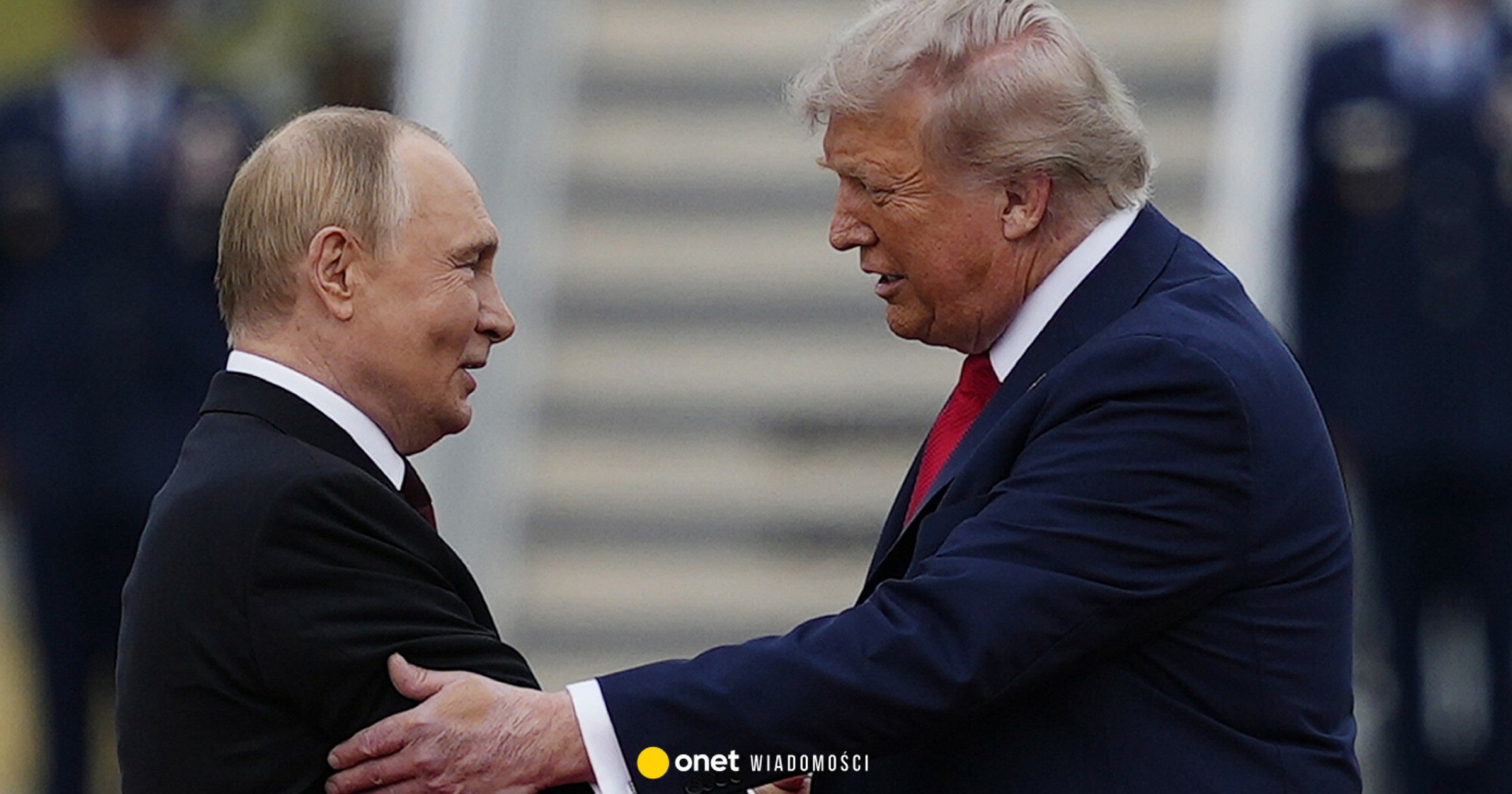
The change in these two points shows how extremely dangerous and harmful Donald Trump's policy towards Ukraine is from the point of view of the national security of the Republic of Poland. and what an intellectual aberration is the admiration of PiS politicians and, more broadly, the Polish right wing, for the current American president.
It is also worth noting that the situation with regard to the above-mentioned two points is fortunately not certain. American, too far-reaching concessions towards Russia are met with increasingly visible opposition from our European allies who, regardless of the reservations we may have had towards them in the past (e.g. Germany's policy on Nord Stream, but also more broadly – Germany's general attitude towards Russia), today take the Russian threat much more seriously than the US.
Moreover, this means that we owe our security in this area to a greater extent to our partners from the European Union, and not to the United States.
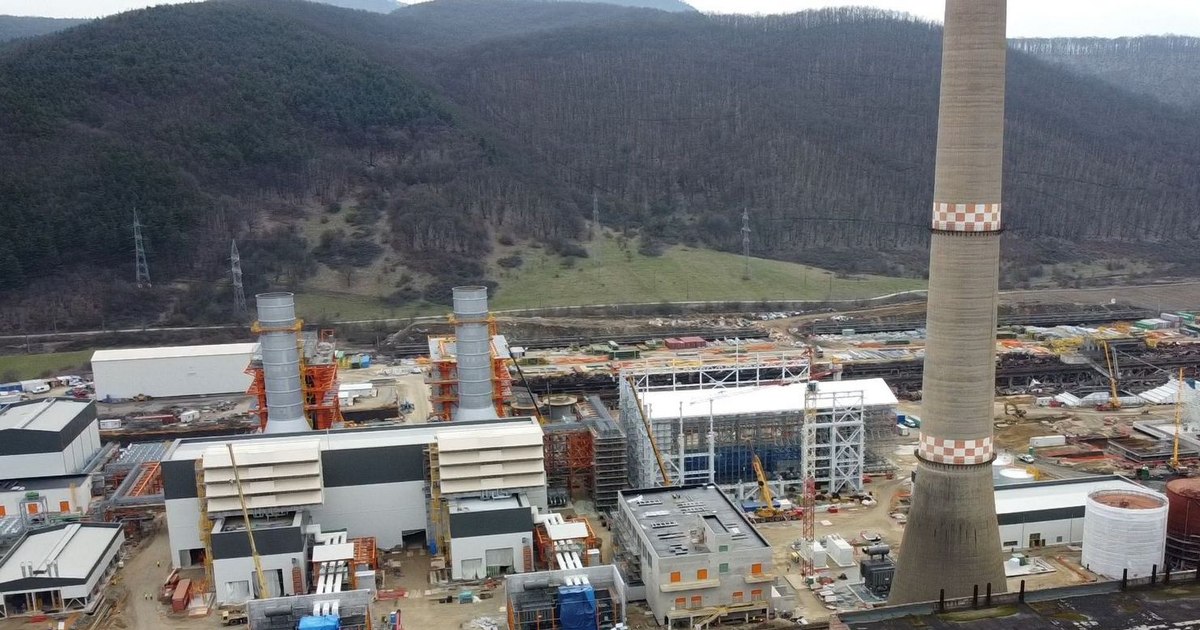
Nothing has changed in the assessment of Russia's military and economic weakness and the corruption of Russian elites. Paradoxically, considering the tone of Donald Trump's statements, nothing has changed yet with regard to the presence of allied forces, including primarily American forces, in our country and the Baltic states. The reductions in the American presence so far concern Romania, not our country or Estonia, Latvia and Lithuania.
Congress is also concerned about the direction of Trump's policy, and in recent days it has decided to prevent the president from making a decision that would be unfavorable from the point of view of our security and would undermine this aspect of our security.
The sixth point of the analysis published in April, in which I argued that the Russians would not attack Poland because they understood that it would mean war (which they did not understand in relation to Ukraine) is also valid, although at the same time we cannot ignore Putin's tendency to take risks.
At the same time, however, let us add that this tendency to take risks may result in, for example, riots in Narva, Estonia, inhabited by Russian-speaking people, rather than war as such.
The seventh argument that Russians would not try to destroy the system of the concert of powers, of which they would be the beneficiaries, is based on the assumption that Russia behaves badly and is even ready to commit crimes, but is also rational. This point remains valid.
The eighth point, which stated that the United States would not want to embarrass itself, assumed that the Americans, when making concessions to Moscow, would include very clear conditions and a system of penalties in the event of breaking the agreement.
Unfortunately, this assumption may no longer be entirely true. The level of unprofessionalism of the Trump team in relation to Russia unfortunately makes it possible to allow basically any type of lack of professionalism, or plain stupidity. Nothing has changed in the next assumption, which stated that the Russians are unable to effectively use nuclear bluff.
To sum up, it can be said that although most of the 10 arguments in favor of the thesis that Poland is not at risk of war remain valid, the two most important ones are currently questionable, and whether they can be taken into account in our calculations will become clear in the coming weeks.
Although war is possible, it is still unlikely
Importantly, no matter how bad it sounds, we must realize that if Ukraine were to be forced to conclude a bad peace (i.e. one that does not guarantee it and our safety), it is better for the war to continue.
From our perspective, the costs of continuing to support the Ukrainian state are small. The arguments that regularly appear in Poland that we have no reason to invest in the Ukrainian state are an expression of extreme stupidity.
Brutally speaking, it is much cheaper for Ukrainians to shoot at Russians than for us to do it. Every zloty spent on supporting Ukraine also buys us time, thanks to which – apart from the rearmament itself, which does not happen overnight – we can wait out both Putin and Trump.
In my text from April, listing 10 arguments in favor of the thesis that there is no threat of war, I described one scenario in which it would unfortunately become real.
I stated that war would be possible if, as a continent, we did not seriously start preparing for war. On this point, the situation has changed, but for the better. Europe's political elites seem to take the Russian threat much more seriously.
This is expressed in the political will to oppose Russia, the accelerated pace of armament and, finally, the readiness to support the Ukrainian state.
In all three respects we were to be entitled to serious reservations towards our allies. The paradox of the situation is that today, in relation to one of these points, i.e. the will to support Ukraine, our allies have reasons to be concerned about our country.
The situation at the end of 2025 is such that war is possible, but still unlikely. In the worst-case scenario, the threat is still so distant that we fortunately have some time to prepare. Not to avoid losing the war with Russia, but to be prepared enough for it so that the Kremlin does not dare to attack us.