

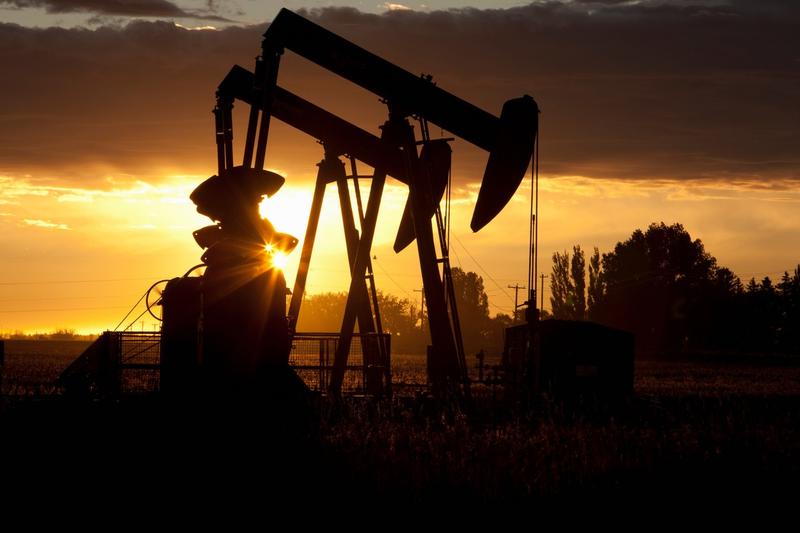
Oil well, Photo: Dan Bannister / ImageSource / Profimedia
About half of the world's proven oil reserves are concentrated in three countries, depending on the data source and year.
Venezuela, Saudi Arabia, and Iran together hold about 50% of the world's proven oil reserves, with about 303, 267, and 209 billion barrels, respectively, out of a total of about 1.5–1.6 trillion barrels globally.
Jjournalist Dan Popa sends the “EconoMix” newsletter every Thursday morning. If you are interested in personal finances and want to receive economic recommendations, you can subscribe here:
This extreme concentration explains why geopolitics, sanctions and production policies of just a few countries can move oil markets worldwide.
Why are the numbers different?
Various international organizations use slightly different definitions and methodologies for reserves (OPEC, BP, EIA, etc.), so country weights and the exact threshold at which 50% is reached may vary slightly over time.
Despite these differences, all large data sets show that a small group of countries in Latin America and the Middle East concentrate about half of the world's proven oil reserves
Why are these three countries important?
Venezuela dominates “on paper” thanks to the Orinoco belt, a vast region in the eastern part of the country that covers about 55,000 square kilometers.
The Orinoco Belt contains extra-heavy crude oil, which is very viscous and dense, making it much harder and more expensive to extract than conventional crude oil. Producing oil in this region requires advanced techniques such as steam injection and blending with lighter crudes to make it marketable.
Saudi Arabia holds the largest conventional reserves in the world – critical to the stability of global supply.
Canada has reserves mostly in the form of tar sands, difficult to exploit, but extremely vast in volume.
For context
If we add Iran or Iraq, the concentration increases rapidly:
Venezuela + Saudi Arabia + Canada + Iran ≈ 60%
Top 5 countries ≈ over 65% of global reserves
But be careful: reserves should not be confused with production. Having oil in the ground is one thing. Transporting it to a gas station in Ohio or a factory in Shanghai is quite another.
Why the “reserve map” is “broken” from reality:
Execution lag: Saudi Arabia and the UAE win as they combine the size of their reserves with top extraction.
The constraint trap: Venezuela and Iran have oceans of oil, but sanctions and damaged infrastructure prevent them from exploiting this wealth.
Friction factor: Canada's tar sands are vast, but they face a triple threat: high investment costs, pipeline bottlenecks and political scrutiny.


