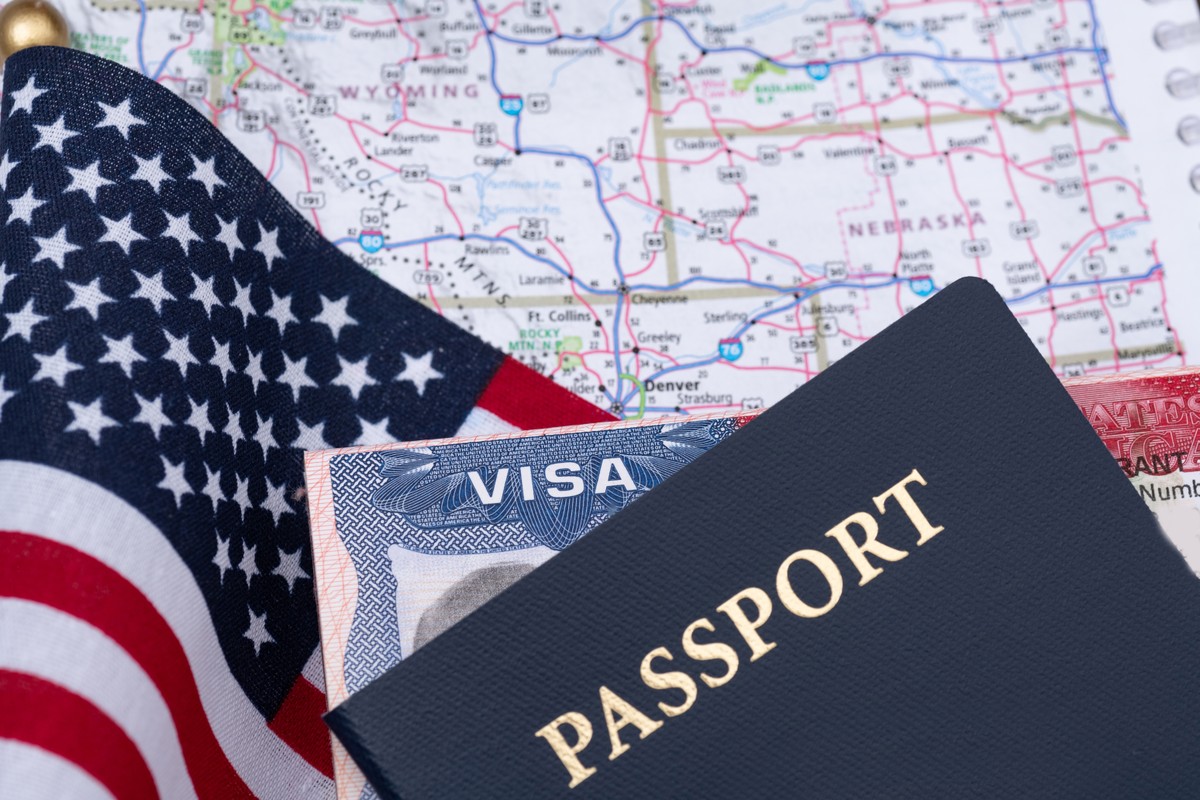
The US government announced on Tuesday the expansion of the program regarding the so-called visa financial obligations (visa bond) — a mechanism under which citizens of certain countries may be obliged to submit deposit of PLN 5,000 up to 15 thousand hole. as a condition for obtaining a B1/B2 visa (tourist or business).
The text continues below the video
The current list of countries has been expanded by: 25 additional countries, mainly from Africa, Latin America and South Asia, bringing the total to 38 countries covered by these requirements. The new rules are to enter into force on January 21, 2026. They included, among others: Venezuela.
Read also: There is an agreement between the US and Venezuela on oil
Details of commitments and procedure
The deposit amount that must be declared by the visa applicant, is determined during the visa interview and it can be 5 thousand, 10 thousand or 15 thousand hole. Payments must be made via electronic platform of the US Department of Treasury.
The US government explains that the purpose of this mechanism is discouraging overstaying your visa and reducing the number of people who stay in the country after their residence permit expires. But paying a deposit does not automatically guarantee obtaining a visa — funds are refunded if the visa is refused or the person returns to the country on time after the visit.
Read also: Maduro trial in the US. Is he a criminal, a prisoner of war or a head of state?
The Trump administration's immigration policy
The visa bond program is part of the Trump administration's broader strategy to tighten immigration rules and border control. As Reuters writes, the Secretary of State and government officials indicate that such solutions improve things national security, but their opponents criticize them as a financial barrier for travelers from less wealthy countries.
A year ago, the Ministry of Foreign Affairs launched a pilot program, initially covering a smaller number of countries. Its extension now is another step towards more stringent procedures, which will also include, among others: mandatory personal interviews and analysis of applicants' social media activity history