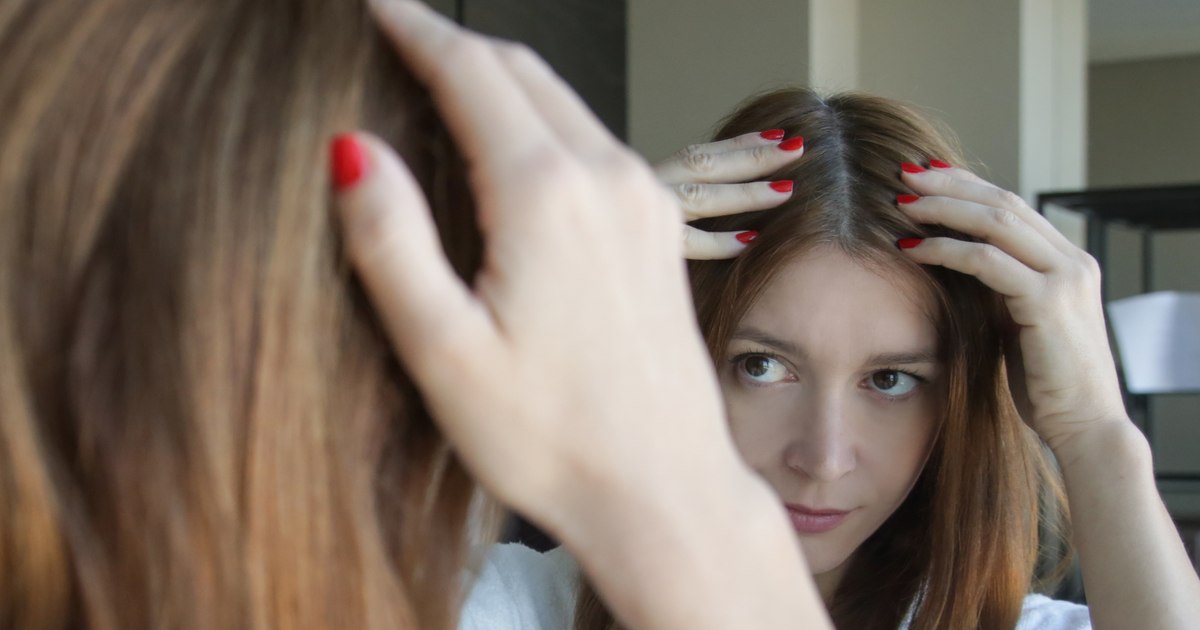
The causes of hair loss are often attributed solely to genetics. In reality, explains American doctor Mark Hyman, the phenomenon is much more complex and closely related to metabolic imbalances in the body.
Photo credit: Shutterstock
“Constantly high insulin levels associated with diets high in sugar and refined carbohydrates can create a metabolic imbalance that favors the action of androgen hormones”explains Dr. Mark Hyman. In this context, he adds, the enzyme 5-alpha-reductase, responsible for converting testosterone to dihydrotestosterone (DHT), can increase the body's production of DHT.
DHT is the hormone directly involved in the progressive thinning of hair and the onset of androgenetic alopecia (known as “baldness”), and excess weight and the accumulation of abdominal fat influence hormone levels in both men and women.
“Women can have this problem too, with baldness, especially when they have high levels of androgen hormones, meaning male hormones”he says.
The process is largely determined by individual sensitivity to DHT, a derivative of testosterone. “DHT binds to receptors in hair follicles and shrinks them over time, leading to thinning or hair loss,” Dr. Hyman explains.
DHT does not act alone
However, DHT is not the only factor involved in hair loss. “Remember, hormonal imbalances, insulin resistance, inflammation, nutritional deficiencies and food sensitivities all play a critical role”says the doctor. In women, conditions such as polycystic ovary syndrome (PCOS) frequently lead to elevated levels of androgen hormones, including DHT. “This causes both scalp thinning and unwanted facial hair growth. So you're losing hair on your head but gaining it in places you don't want it”Hyman explains.
How DHT works in the body
DHT is an androgen, i.e. a male sex hormone, derived from testosterone. The conversion of testosterone to DHT is carried out by the enzyme 5-alpha-reductase, the activity of which is high in certain tissues, such as the prostate, skin, liver and hair follicles.
“That's why drugs used for enlarged prostate, such as finasteride, are also used to treat male pattern baldness,” says Dr. Hyman. The substance acts on both the scalp and the prostate.
“DHT can stimulate hair growth in certain areas of the body, but on the scalp, high levels have the opposite effect. Follicles on the head are much more sensitive to DHT than those in other regions, such as the chest or armpits, which is why hair loss occurs predominantly there.” explained the doctor.
In men, high DHT causes a receding hairline and thinning of the hair on the scalp. In women, diffuse hairline thinning occurs, rarely resulting in total baldness.
Insulin and abdominal fat
A central element in this equation is insulin, the doctor believes. “Insulin resistance and obesity are the main factors leading to hormonal imbalances in both women and men”says Dr. Hyman. Abdominal fat is a big factor in inflammation and hormonal imbalance and favors androgenic dominance, that excess of male hormones.
In women, this dominance is manifested by increased levels of testosterone, DHT and DHEA and is commonly seen in PCOS, one of the main causes of female infertility. Symptoms include hair loss, unwanted hair growth, menstrual disturbances and severe PMS.
In men, elevated insulin lowers sex hormone-binding globulin (SHBG) levels, leading to more free testosterone. “This testosterone is then converted to DHT, promoting hair loss,” Hyman explained. Over time, although free testosterone may be increased, total testosterone ends up decreasing, due to inflammation and metabolic disease.
The role of stress, nutrition and deficiencies
Chronic stress increases cortisol levels, which directly affects hair follicles. Sleep deprivation is, in turn, a form of stress. Poor diet, especially excessive consumption of sugar, starch and ultra-processed foods, plays a major role.
“Zinc deficiency is another important factor, because zinc naturally inhibits the enzyme 5-alpha-reductase,” says Hyman. Iron deficiencies, even in the absence of anemia, can cause hair loss, with the ideal ferritin level being above 45. Protein deficiency also plays a role, especially in vegans or people with digestive problems.
Collagen, zinc, vitamin D, biotin and vitamin B12 are essential for hair health, and deficiencies are widespread.
“Hair loss isn't just about genetics,” points out Mark Hyman. Diet, lifestyle and metabolic health play a major role. Addressing the underlying causes, from insulin resistance and inflammation to nutritional deficiencies, can make the difference between progressive hair loss and supporting healthy hair growth.