Russian helicopters have become “easy targets” for Ukrainian naval drones, a commander says

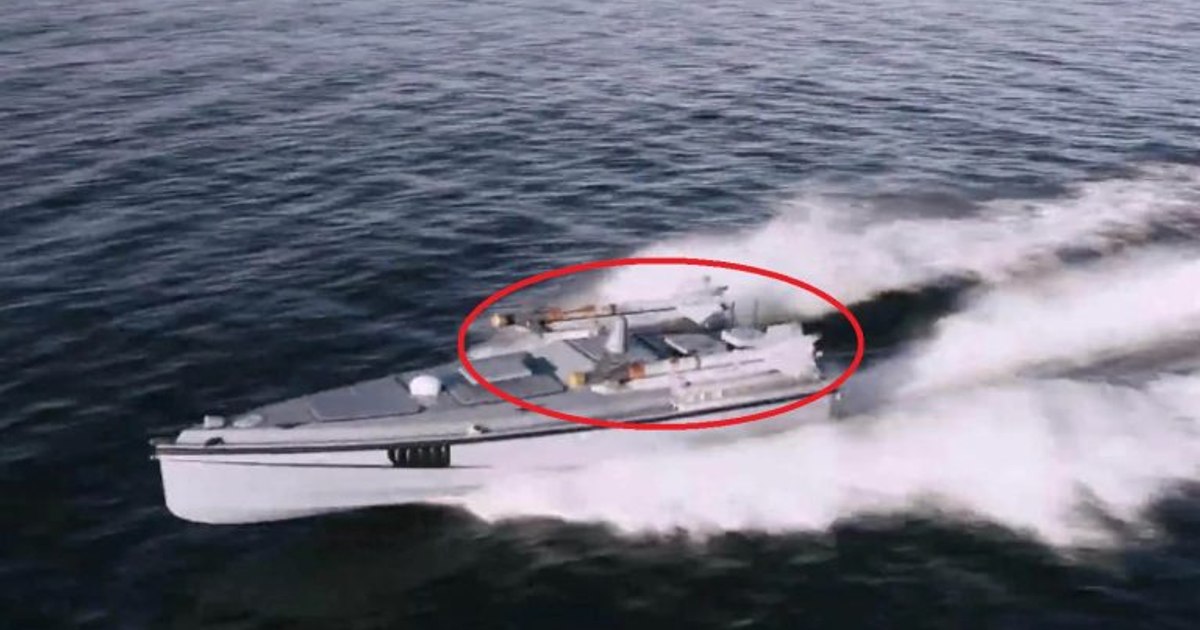
Russia is trying to avoid a confrontation between its helicopters and Ukrainian naval drones after the latter were equipped with surface-to-air missiles, a Ukrainian commander recently said, quoted by Business Insider.
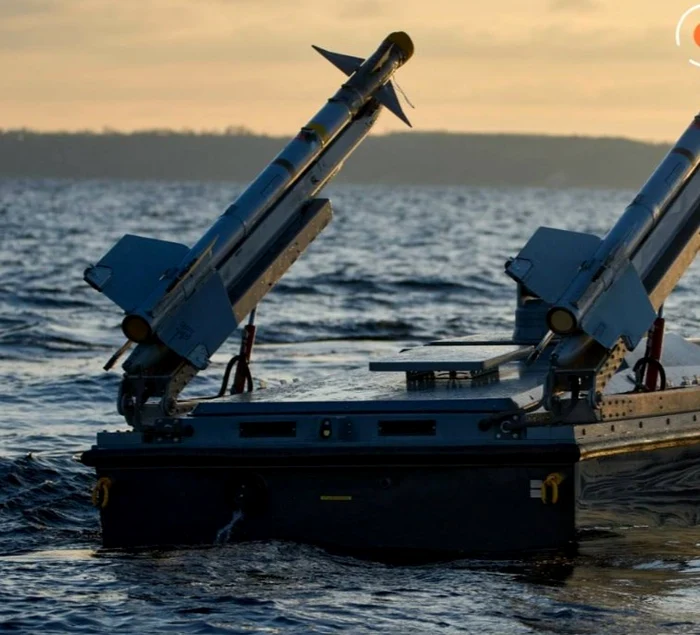
Magura V7 photo capture x
The information was revealed by the commander of the special forces unit “Group 13”, belonging to the military intelligence agency GUR, which is equipped with naval drones. The officer with the call sign “Thirteen” stated that the Russian helicopters “they initially posed a critical threat and made our work difficult.”
Meanwhile, Ukrainian naval drones have been upgraded to combat precisely this type of threat.
After Ukraine armed the drones with missiles, “the enemy stopped using helicopters against us altogether, realizing that they had become easy targets for our missiles,” Thirteen said at a GUR presentation on Ukraine's naval drones in December, his comments picked up by the Ukrainian publication Pravda.
The commander did not specify when he noticed this development, but his update points to an increasingly important role for naval drones resulting from Ukraine's pioneering efforts. With the help of these drones, Ukraine achieved spectacular victories against Russian warships, forcing Russia to move its warships as far away from Ukraine as possible and to intensify its air combat patrols. And now, the Ukrainians are going further: apparently, the new missile-armed naval drones are also having success in chasing away air patrols.
Ukraine claimed the first destruction of a Russian helicopter with a naval drone last December, cataloging the success as a world premiere – the attack took place with the help of a Magura V5 naval drone, and as a result of the operation a Russian Mi-8 helicopter was destroyed. Ukraine has since claimed further strikes on helicopters by its naval drones.
Controlling the sky has become difficult
The utility of helicopters evolved throughout the war. Russian Ka-52 attack helicopters defeated the Ukrainian armor, but Russia also suffered losses in air defense, the proliferation of which made it extremely difficult for either side to take control of the skies.
Russian helicopters, like Ukraine's, have generally been vulnerable to interceptors and drones, both FPV drones and now naval drones. They are now used more cautiously, but are still used for troop transport, logistical support, evacuations, armed support, air assault missions and drone hunting.
Ukraine, for example, has new helicopter units dedicated to shooting down Russian drones. It's worth noting, however, that these are aimed at long-range Shahed kamikaze attack drones, which Russia uses to attack cities, rather than front-line attack drones.
The ability of naval drones to shoot down helicopters reflects how quickly they have evolved to be able to engage a wider range of targets. At the beginning of the war, drones were mainly used as means of attack loaded with explosives, striking Russian warships and other vessels.
Together with aerial drones, they have helped Ukraine counter Russia's naval power, despite Ukraine's lack of a navy, including by forcing much of Russia's Black Sea fleet to retreat to ports further from Ukraine. The fleet that was based in Sevastopol is now mainly positioned in the port of Novorossisk.
Over time, Ukraine has expanded drone capabilities by adding rocket and missile launchers, machine guns, and even ship-launchable drones. New variants and missions followed, including drones that shot down Russian fighter jets, as well as designs specifically designed to hit Russian targets on rivers.
Ukraine produces its own naval drones, which now include the famous Magura and Sea Baby. Russia has in turn begun to produce naval drones, as the West pays increasing attention to the impact these means can have in warfare.