The trade war, which escalated rapidly in 2025, is primarily a conflict between the United States and China for technological, economic and political dominance. China plays the role of both the main target of American restrictions and an active player using retaliatory measures.
The rest of the article is below the video
China imposes additional tariffs on beef
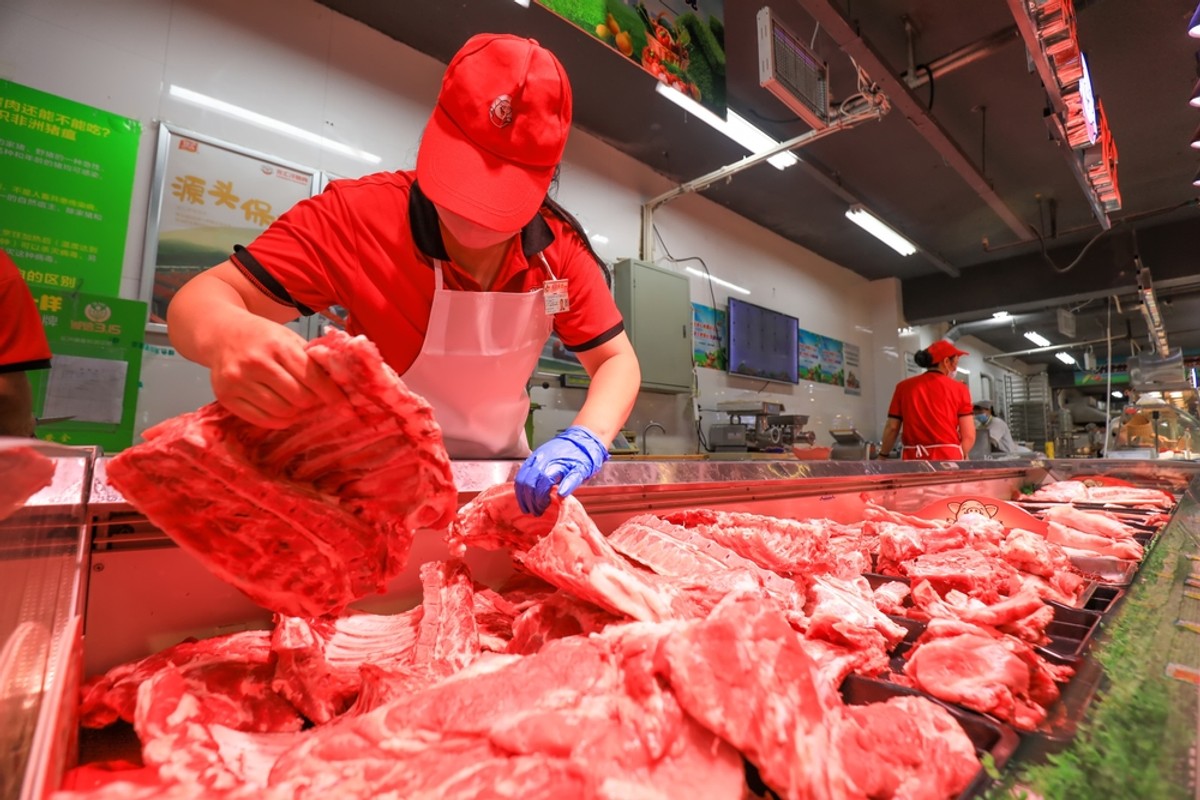
“China will impose additional tariffs of 55%. on beef imports exceeding quota levels from major supplier countries, including Brazil, Australia and the United States,” Reuters reports.
The agency indicates that it has this purpose protecting the domestic cattle industry, which is slowly emerging from oversupply.
See also: The European Union under pressure from China. The tariff war is gaining momentum
China's Ministry of Commerce announced on Wednesday that the total import quota for 2026 for countries subject to new “protective measures” is 2.7 million metric tonswhich roughly corresponds to a record level of 2.87 million tonnes of total imports in 2024.
Reuters notes that the new annual quota levels are set lower than import levels for the first 11 months of 2025 for major supplier Brazil, as well as for Australia.
“The increase in imported beef has seriously damaged China's domestic industry“, the ministry said, announcing the tariffs following an investigation launched in December last year. They will enter into force on January 1 for three yearsand the total amount will be increased annually.
China trades with the rest of the world. How much beef do they import?
Beef imports to China fell by 0.3%. in the first 11 months of this year, to 2.59 million tons. According to Hongzhi Xu, senior analyst at Beijing Orient Agribusiness Consultants, quoted by Reuters, China's beef imports will decline in 2026 as a result of the measures.
See also: Beijing responds to new US tariffs. “Threating is not the right way”
“China's beef cattle farming is not competitive compared to countries like Brazil and Argentina. This cannot be reversed in the short term through technological progress or institutional reforms,” Xu admitted.
Reuters reports that in 2024, China imported 1.34 million tons of beef from Brazil, 594 thousand tons from Argentina, 243 thousand tons from Uruguay, 216 thousand tons from Australia, 150 thousand tons from New Zealand and 138 thousand tons from the United States.