In his movie you say you were shocked by the beginning of the Russian invasion of Ukraine because you believed that the Russians had a “vaccine against war.” This statement is surprising. Russia waged wars in Chechnya, Georgia, Syria and annexed Crimea. What “vaccine” are you talking about?
Anastasia Trofimova: I don't mean the state, but the people. I had the feeling that Russia as a society had gone through so many wars, so many deaths, so many broken families in the 20th and early 21st centuries that a deeply rooted awareness of what war was had developed. In the Russian culture of memory – from the so-called From the Great Patriotic War to Afghanistan and Chechnya, the war is presented not as an adventure but as a tragedy. “Never again” was not an empty slogan. I believed this collective knowledge was a form of protection.
But these wars were accepted by society. Military parades took place, schools were militarized, war rhetoric appeared long before 2022. From today's perspective, wasn't the belief in a “social vaccine” simply naive?
Maybe she was naive. But she was honest. In Russia – this was my impression – even participating in the war was still a sad thing. For many people, May 9 was not a day of triumph, but of mourning. The fact that the state increasingly militarized this day does not automatically mean that all people identified with it.
After talking to soldiers, I have the impression that many people are fed up with the war. But many are afraid of what will come next. What was all this for? What does the end mean? This uncertainty is paralyzing.
“War creates a clear order: friend, enemy, survival”
What did you actually see at the front?
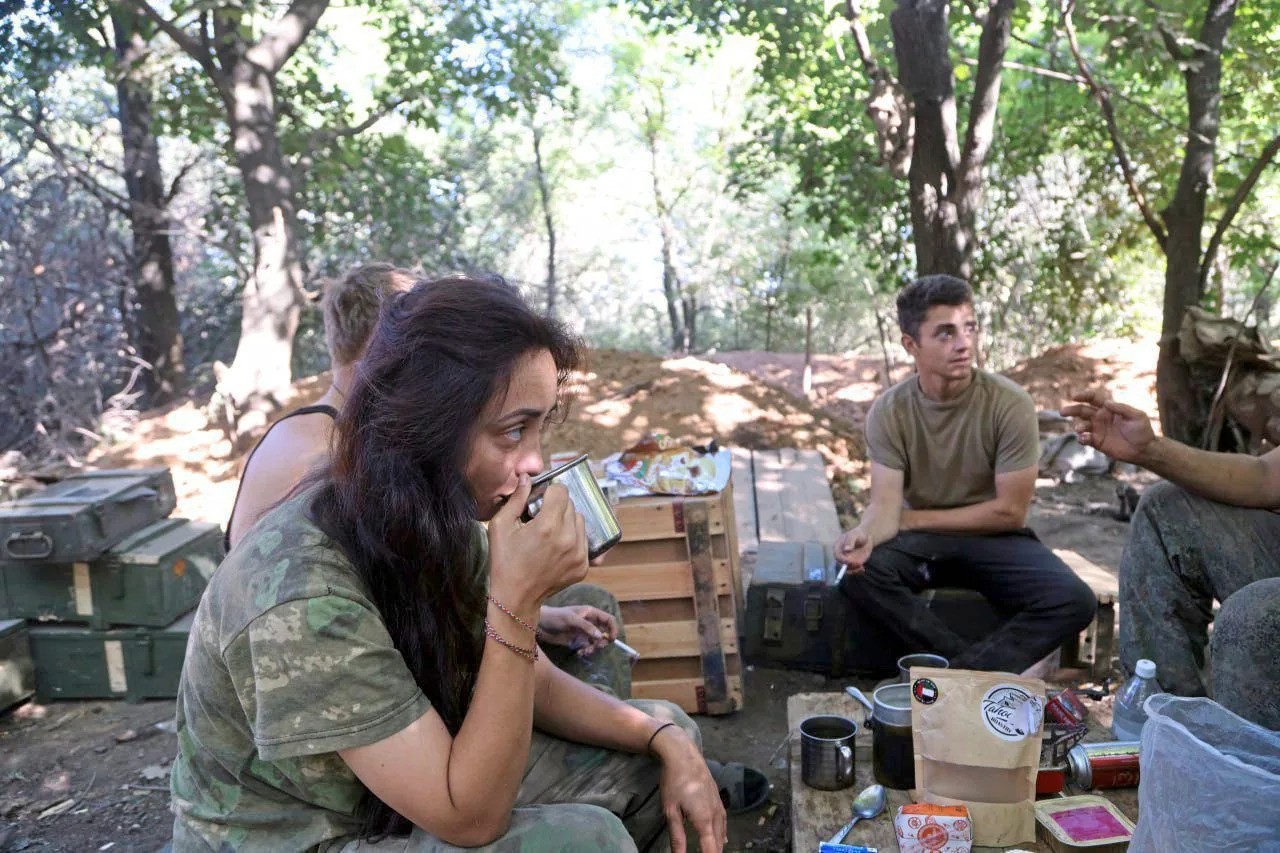
Crossing the border was a shock for me. I passed under an old Soviet inscription about the “indestructible friendship between Russia and Ukraine” — and immediately found myself in a war zone. This discrepancy stuck with me. What I saw was not a heroic war or a TV picture, but very ordinary everyday life: people, fear, routine, waiting. Nothing was idealized there.
You spent seven months with a Russian battalion at the front. How were you received?
I arrived without accreditation, without a ministry, without a letter of protection. I just came. I introduced myself and said: this is the most important event in modern Russian history, and you are part of it. I want to understand who you are. Maybe it was this openness that worked. I am a documentarian, not a classic journalist. I don't keep my distance. I want to understand, not judge.
Critics say this is where the problem lies: you “humanize” Russian soldiers — that is, the aggressors.
Is there a list of people who can and cannot be humanized? Documentary film is not politics. Politics requires clear categories: perpetrator, victim, aggressor. The documentary tries to show people in their contradictions. Showing a man does not mean justifying him. I do not agree with reducing people to political roles.
What kind of people did you meet at the front? Who is fighting on the Russian side?
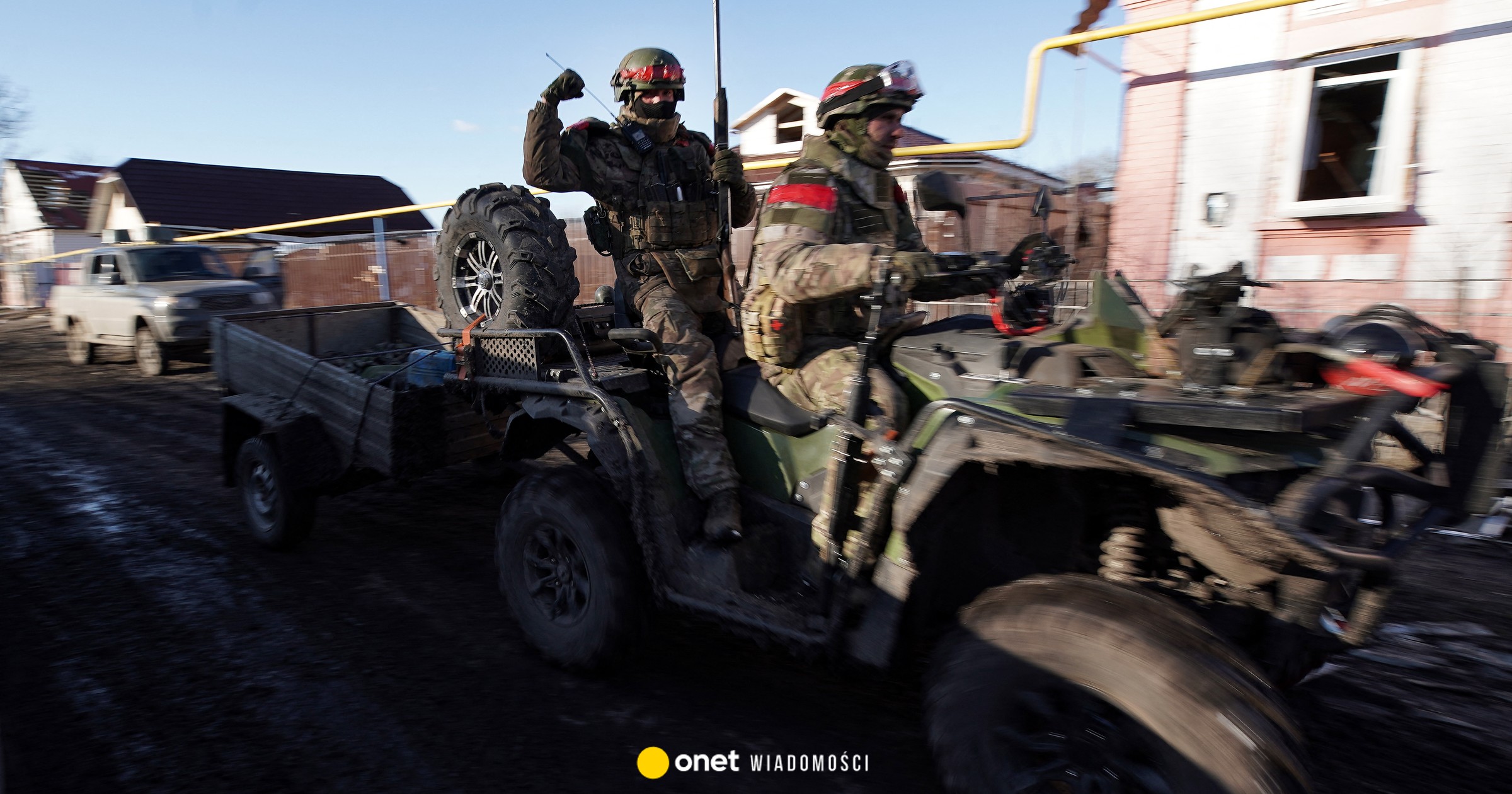
A cross-section of the whole of Russia. Men who previously worked in factories, built furniture, were delivery drivers, and engineers. 300 of the 380 were mobilized, they were not professional soldiers. Many have never fought before. The motives were various: money, sense of duty, escape from personal crises, patriarchal ideas about masculinity. For some it was simple: “If I don't go, I'm not a man.”
Money is one factor, but not the only one. For some it is an existential matter. One of my heroes went to war to support his family. Others earned more in civilian life. Still others were looking for meaning, structure, belonging. War creates a clear order: friend, enemy, survival. It has a very strong effect on the psyche.
Director of a film with Russian soldiersDie Welt
Were there any moral doubts? Questions about guilt, about killing?
Everyone asks these questions – but everyone answers them differently. Interestingly, compared to other wars I have documented, I have encountered almost no hatred here. There were explanations such as: “Brotherly nation, manipulated by the West.” This shows: these soldiers do not see themselves as monsters. They see themselves as part of a tragic process.
“People then fight not for ideas, but for specific people”
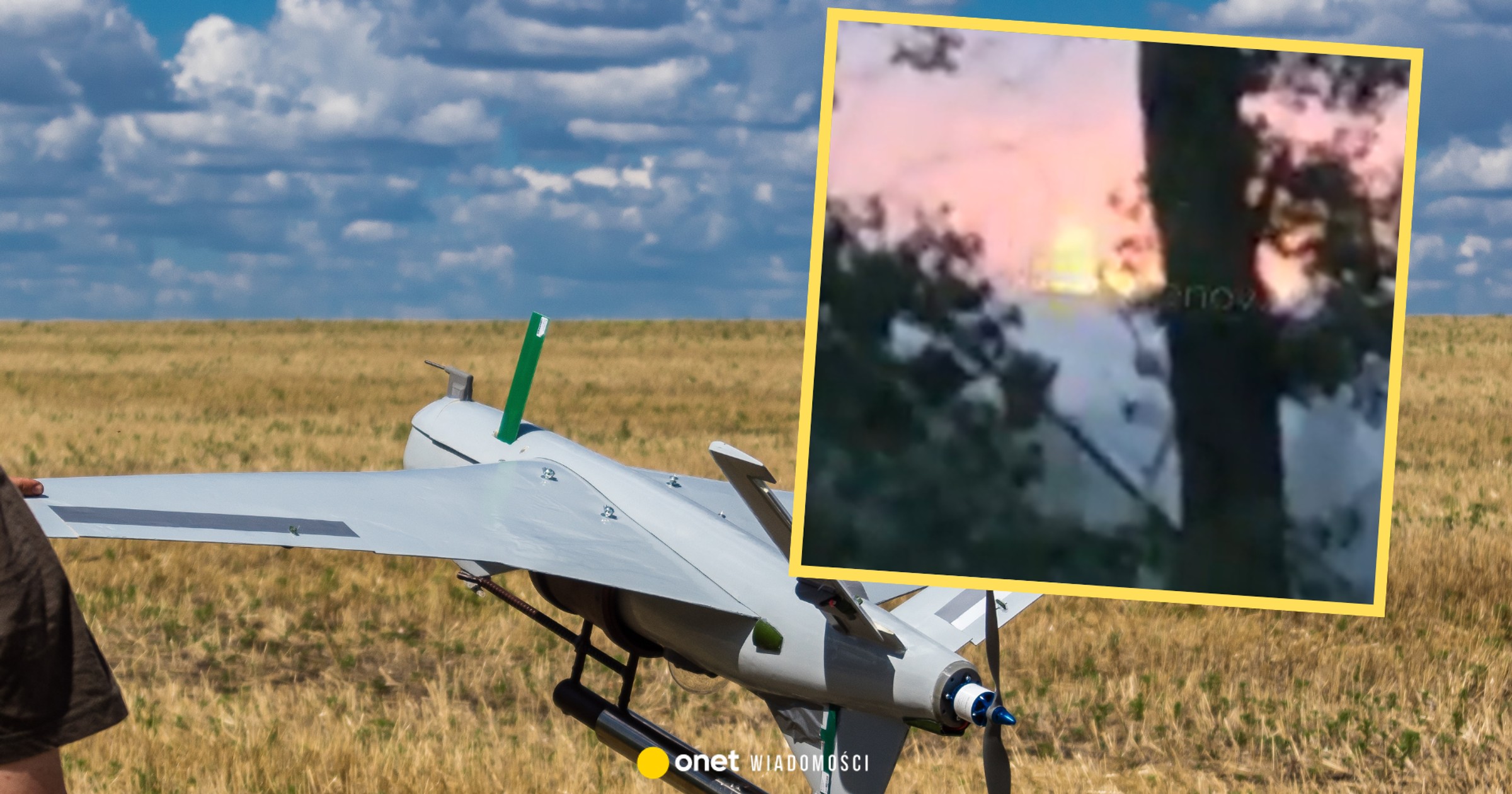
Many critics accuse the film of showing Russian drones, soldiers and weapons, but not the destruction they cause in Ukraine. Why don't you show where these drones are going and what their effects are?
Images of the destruction already exist. The fact that war is deadly is beyond dispute. Documentarily, I was interested in what was happening before: how people justify violence, how they classify it morally and live with it.
Your film features a soldier nicknamed “Kedr”. At first, he doubts the point of the war. Later, when you are filming him in the hospital, he already says that the war is right. How do you explain this change?
This is true, but you have to understand this moment. He had just returned from his first assault, during which he lost about half of his teammates. That's why I wanted to show this transformation. War is often not continued for ideological reasons, but because it becomes personal. People then fight not for ideas, but for specific people – for “Petia” and “Kola”, for those they lost. Everyone becomes accustomed to the collective in which they live for an extended period of time, especially under extreme political pressure.
Were there any talks about killed Ukrainian civilians?
NO. This reality for many simply does not exist in their world of information. What they get is often the message: “They're accusing us again.” I asked questions, also very specific ones. Many have simply never heard of it.
The article continues below the video
When you film in the occupied territories, the viewer watches a local resident. Other Ukrainian civilians do not appear. Why didn't you show this side of the Russian presence in Ukraine?
Because the film is told exclusively from the soldiers' perspective. I have not tried to create a complete picture of the situation in the occupied territories. I only show what was part of their everyday life and their perception. This film does not claim to show all sides of this war. It shows a very limited reality – the reality of the people I spent months with. There are other perspectives, but they are not part of this film.
“I receive dozens of messages every day – insults, threats, specific death threats.”
You say you are “neutral” and “pacifist”. Critics accuse you of relativizing aggression in this way.
I do not relativize aggression. Russia sent troops to Ukraine – that's a fact. But if people treat war like a sporting event, root for “their side” and celebrate the deaths of others, something fundamental has been lost. For me, pacifism means not joining in dehumanization.
Would you make this film differently today?
NO. I would make it exactly the same. Anything that was omitted, we removed for dramatic reasons, not political ones. I knew this movie would be painful. But complexity hurts.
So why this movie?
So that we can look into each other's eyes again. No labels. No easy answers. If we stop seeing people as human beings, we will lose any chance that this catastrophe will ever end.
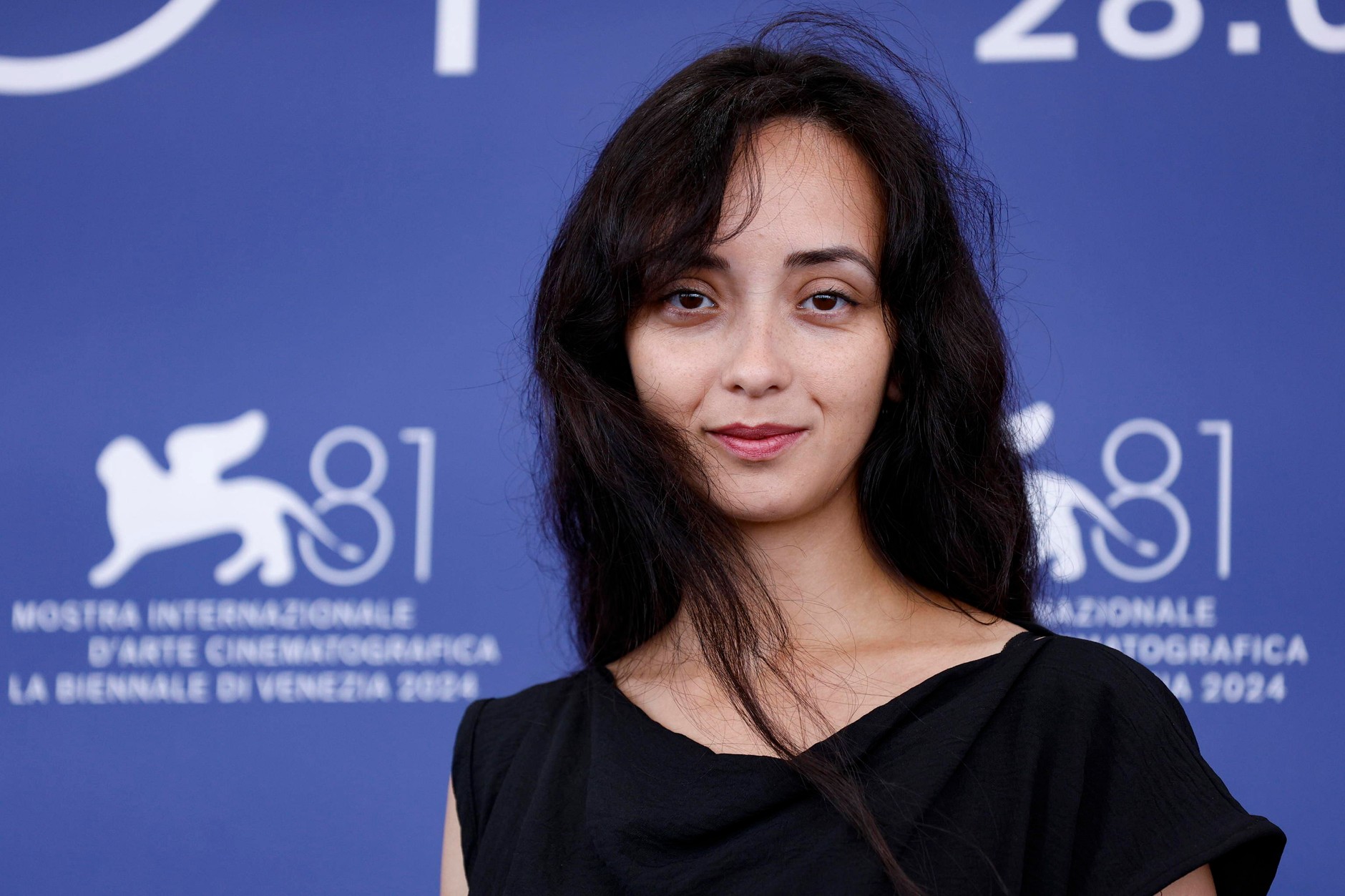
Anastasia Trofimova, Russian-Canadian documentary filmmaker at the 81st Venice International Film Festival, September 5, 2024.EPA/Fabio Frustaci / PAP
Please do not provide your current place of residence. Why?
After the film's release, I received dozens of messages every day – insults, threats, specific death threats. They wrote, for example: “We didn't get you in Donbas, we will get you where you are now.” Since then, I haven't shared my whereabouts publicly.
I’m Ashley Davis as an editor, I’m committed to upholding the highest standards of integrity and accuracy in every piece we publish. My work is driven by curiosity, a passion for truth, and a belief that journalism plays a crucial role in shaping public discourse. I strive to tell stories that not only inform but also inspire action and conversation.