Putin's war in Ukraine. This is how the situation on the front has changed in 2025.

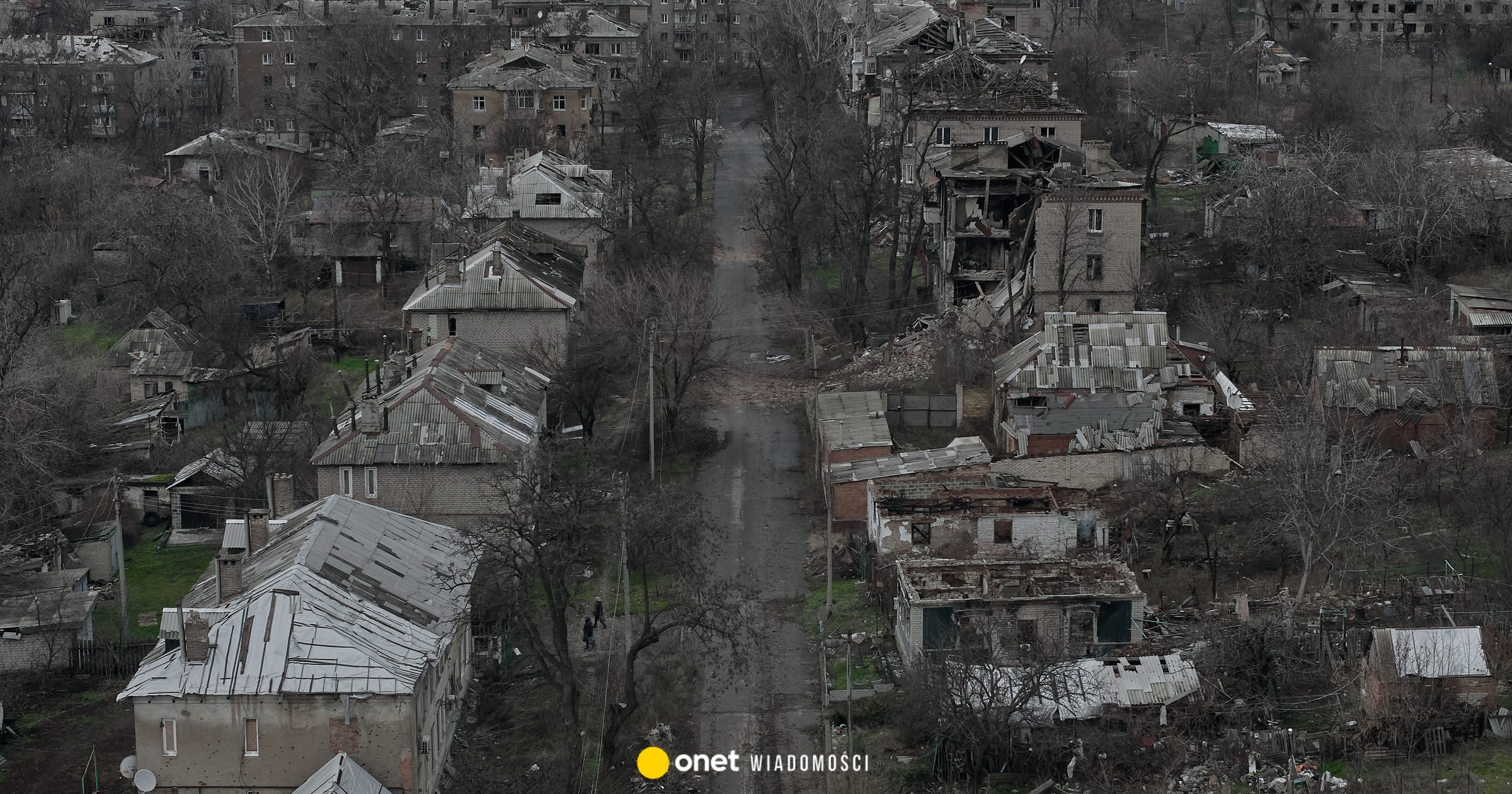
Moscow has increasingly emphasized its war achievements this year in an apparent effort to gain leverage in U.S.-led peace talks and portray its victory as inevitable.
“Ukrainian forces will have to leave the territories they currently occupy, and then the fighting will stop. If they do not do this, we will achieve this by military means” President Vladimir Putin said at the end of November.
But behind the official rhetoric lies a more complex reality of war.
“Progress to date has been poor and high casualties have prevented us from achieving our goals,” military analyst Michael Kofman told The Washington Post about Russia's battlefield performance in 2025.
Today, the war looks less like a conventional regular army campaign and more like a conflict waged by small infiltration units, supplied by volunteers and massively using cheap technologies.
Russia's “successes”.
Putin claims that in 2025, Russian forces occupied almost 5,000 square kilometers of the territory of Ukraine.
In the spring of that year, Moscow drove Ukrainian troops from their bridgehead in the Kursk region and briefly entered the Ukrainian region of Sumy, although the advance soon stalled and the front line remained almost unchanged.
In the eastern part of Ukraine, in the Donetsk region, after almost two years of fighting, Russian forces are trying to complete the capture of Pokrovsk and Myrnohrad. By the end of the year, they also claimed to have taken control of the town of Hulaypole in the Zaporozhye region, as well as Seversk in the Donetsk Oblast, where the Ukrainian defense, which had held out for more than three years, collapsed within weeks due to lack of manpower.
There was progress on other sections of the front uneven — in some sectors, Russian units advanced tens of kilometers, and in others only a few hundred meters.
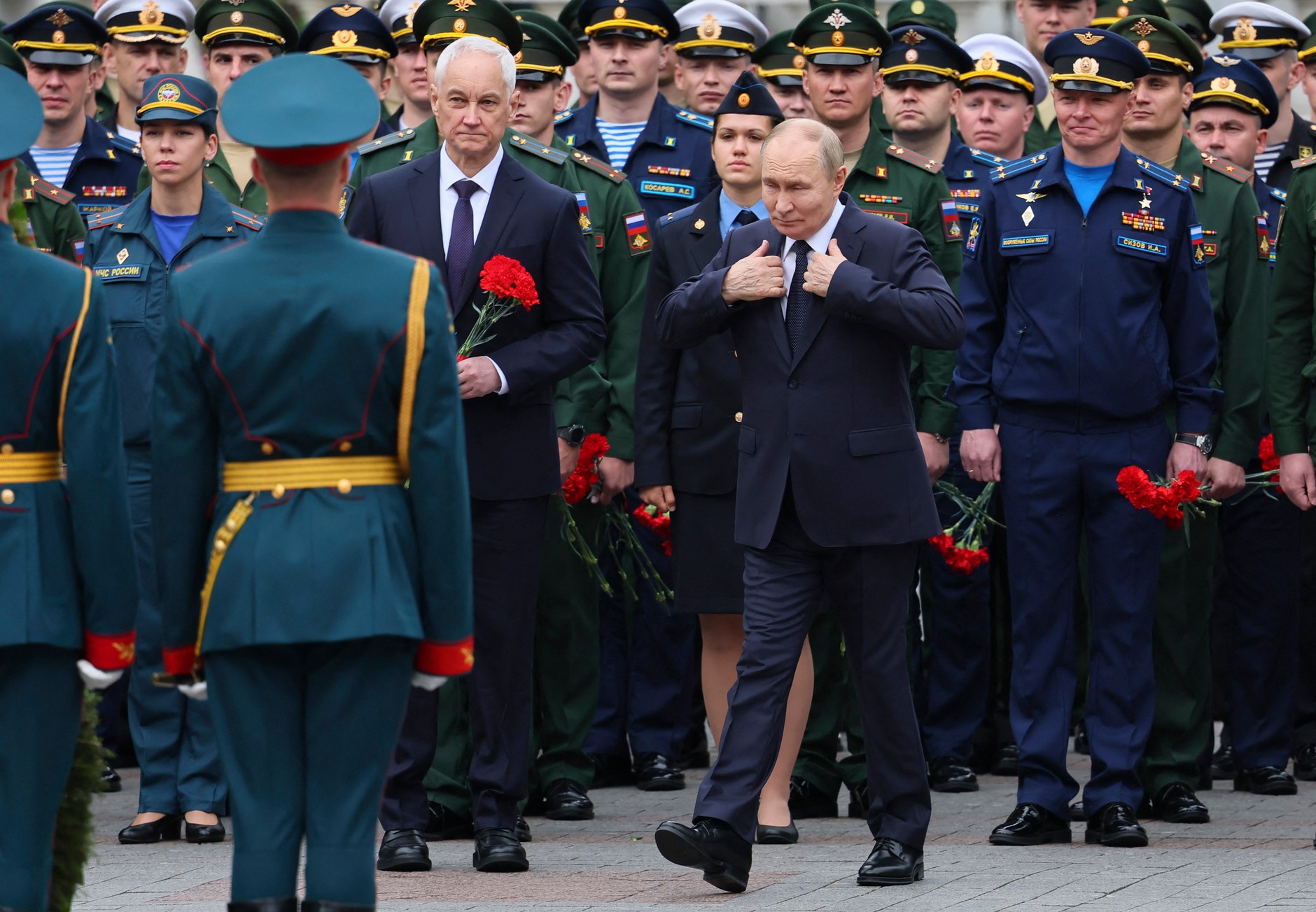
Russian President Vladimir Putin with the Russian military, Moscow, June 22, 2025.YURI KOCHETKOV / AFP
However, despite progress, Russia has yet to achieve a decisive victory.
A fight of attrition
— The Russian army has maintained the strategic initiative since 2023. In 2022, Russia failed to achieve a quick victory, which became a turning point in the war. Since then, the war has turned into a battle of attrition, with almost all changes on the front being tactical rather than strategic, BBC News military analyst Pavel Aksenov tells The Moscow Times.
Taking advantage of Ukraine's dwindling troop numbers, Russian forces have become increasingly reliant in 2025 small assault groups instead of large armored formations. These troops look for weak points, infiltrate Ukrainian positions and gradually build up forces in key areas, allowing them to gradually gain territory over time.
Analysts say the approach proved successful in the Pokrovsk and Myrnohrad areas and has been replicated in several sectors. This reflects a broader shift away from traditional large-scale attacks, which have become more costly in an environment saturated with surveillance and combat drones.
The “gray zone” between territory controlled by Russia and territory controlled by Ukraine has expanded to several kilometers in some areas.
Drones dominate the airspace, while small infantry units operate on the ground in dispersed formations, relying on cover under the constant threat of attack.
The advantage of drones
By late 2024, the drone war was starting to tilt, according to Atlantic Council analysts to Russia's advantageand this trend accelerated in 2025.
Russian commanders have prioritized scale and reliability, deploying fiber-optic drones controlled by physical cables that are largely immune to electronic interference.
These systems played a key role in the Russian operation in early 2025 aimed at driving Ukrainian soldiers out of the Kursk region. Fiber optic drones attacked ammunition trucks and disrupted supply lines.
Moscow later used similar tactics on the southern and eastern fronts, carrying out ambushes at Ukrainian vehicle columns far behind the front line. In late 2025, Russia established centralized drone units that train operators in a master-apprentice system and conduct targeted attacks on Ukrainian positions and supply routes.
Neutralizing Ukrainian drone teams has become a key goal to give Russian operators greater freedom to maneuver closer to the front.
Aksenov, however, argues that drones alone do not explain Russia's successes on the battlefield. — It cannot be said that drones have become a miracle tool that has completely changed the nature of war. They are indeed very important, but are not the only factor. For example, guided aerial bombs, as well as artillery and precision missiles, are also very important for Russia, he says.
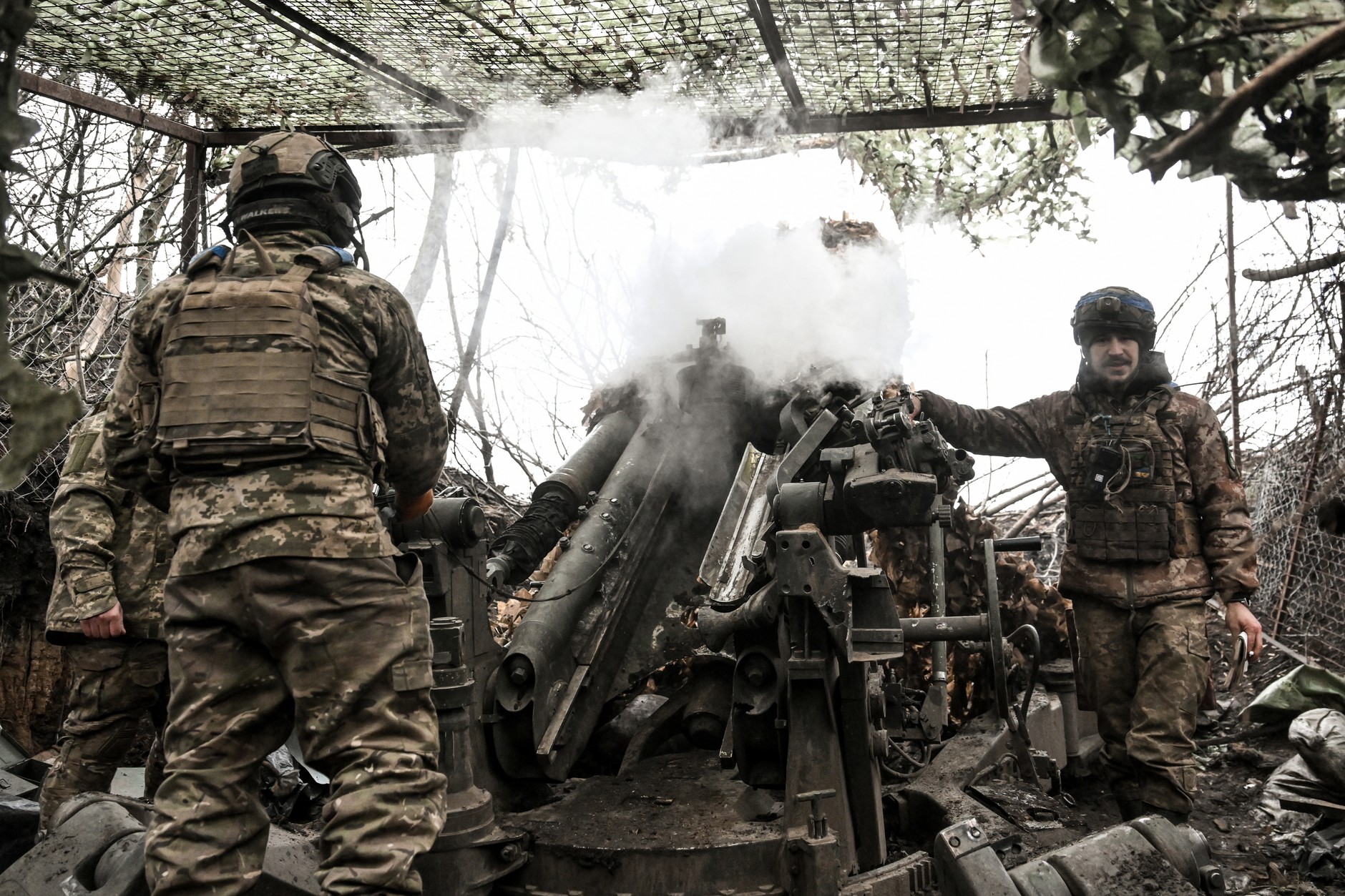
Actions of Ukrainian soldiers on the front, Dnipropetrovsk Oblast, December 25, 2025.Dmytro Smolenko / AFP
Russia makes extensive use of guided aerial bombs, including heavy ammunition weighing up to three tons, to destroy Ukrainian defensive positions.
Logistical burden
While the Kremlin is replenishing its forces with new contract troops and the defense industry has been fully mobilized — often using components imported from countries such as China and Iran — analysts say the defense ministry has failed to create a reliable and centralized procurement system.
Volunteer groups, pro-war bloggers and private initiatives they collect money from soldiers and civilians to purchase drones, communications equipment, bulletproof vests, vehicles and even basic items such as tires.
Modified civilian vehicleswhich can often survive on the battlefield for only a few days before being destroyed, are used for logistical support and troop transport.
This informal war economy has helped sustain operations, but remains chaotic and uneven. Some units are well stocked with drones and equipment, while others operate with minimal support.
Aksenov says these problems reflect a fundamental incompatibility between Russia's pre-war plans and the realities of the protracted conflict. A slow war of attrition requires a different economic and industrial model, which Russia is struggling to build, the expert adds. Nevertheless, Kremlin forces continue to advance because they have found effective tactics and adapted to drone and artillery-based warfare.
Reality on the battlefield
Another persistent issue plaguing the Russian military is practice inflating reports from the front.
Russian commanders often report the capture of settlements before the fighting has actually ended. Pro-war bloggers call it “conquests on credit.” Then soldiers are being deployed on costly attacks to make these claims a reality.
In August, commanders reported for the first time that Russian forces had captured Kupyansk in Ukraine's Kharkiv region, even as fighting for the city continued. Ukrainian forces recaptured the eastern railway junction in September.
Moscow's army claimed to have recaptured Kupyansk on November 20, but by December it had still failed to secure the city – even though senior officers were reported to have received bounties for its capture. Ukrainian officials say counterattacks later allowed parts of the city to be retaken.
False claims about battlefield achievements appear on both sides, but Russian commanders are more likely to exaggerate their successes, Aksenov says. Once a city is officially announced, units still fighting may receive less support, making them particularly vulnerable to new attacks.
Analysts say that in 2025, Russia has more effectively adapted to war with the intensive use of drones and artillery, switching to small unit operations supported by unmanned systems.
At the same time, Ukraine's defense capabilities continue to weaken due to staff and equipment shortageswhich gives Russia local opportunities to move the front forward. However, without a decisive breakthrough, these dynamics are unlikely to change, Aksenow concludes. — I don't think Russia will be able to launch decisive offensives. Even if they manage to break through the Ukrainian front, a breakthrough will require significant forces, he says.
—Russia does not currently have sufficient forces on any sector of the front. Ukraine has just made such profound progress in the Kursk region, but we all saw how it ended, he adds.