A well-known doctor is raising donations so that babies who need an ATI bed stop dying on the waiting list. “Several hundred remain outside”


Every day, 10-20 Romanian babies with serious health problems are waiting on a list for a chance at life: a place in the most modern Neonatal Intensive Care Unit in Romania and South-Eastern Europe. The ward at the “Marie Curie” Hospital – led by neonatologist Cătălin Cîrstoveanu, nicknamed the “Children's Angel” – has 27 beds and is always full.
“We have 27 places in the ward. Today there is no free place and it is a common situation with us. It is a situation we frequently face. Often, beyond the weight of our work, there is also this weight, to make room for a child”, testifies the doctor Cătălin Cîrstoveanu, in a dialogue with HotNews.
Of the waiting list, he says, “it's a nightmare. A long list, with many cases, with many problems – tumors, malformations.”
Children from all over the country with serious genetic problems, cases of neurosurgery, heart surgery or children born with a short intestine arrive here.
“Every time we go to the top of that waiting list – because all kinds of emergencies come and a request is left behind – not infrequently we find out that that child is no longer there. This is the truth”, says Cătălin Cîrstoveanu.
Romania has “a very black spot” in terms of caring for newborns with serious health problems and fails to treat all of them, admits the neonatologist: “Several hundreds remain on the outside. We, as a country, are at the stage where we are not treating them.”
From 11 to 27 seats
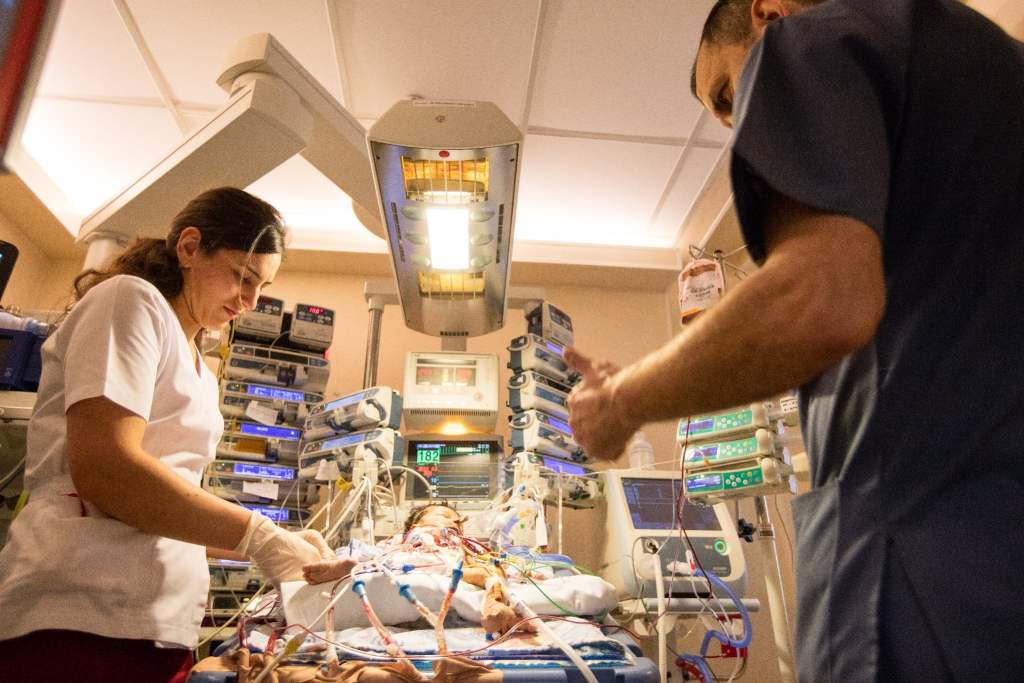
Initially, until 12 years ago, the ward had even fewer places than now: 11 beds and an area of 190 square meters. In 2013, following a fundraiser, from donations and sponsorships, the area of the ward was expanded to 1,600 square meters, and the capacity increased to 27 beds. The amount collected then from donations was one million euros.
The ward then became, according to doctor Cătălin Cîrstoveanu, the most modern of its kind in South-Eastern Europe: the beds are one patient, one room, not open space, as in most intensive care units for children and adults in Romania. In addition, it is the only place in the country that can do dialysis and ECMO for the newborn.
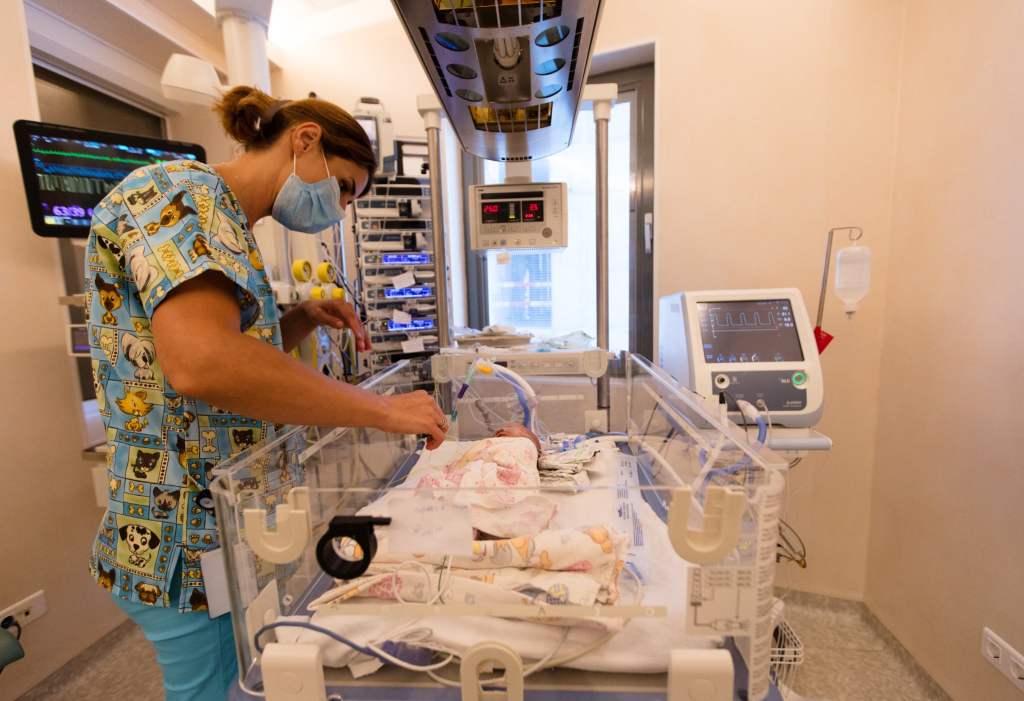
However much the doctor Cătălin Cîrstoveanu and his team would like this, at the moment not all the children in the country who need it can reach the Marie Curie ward. There are not enough seats.
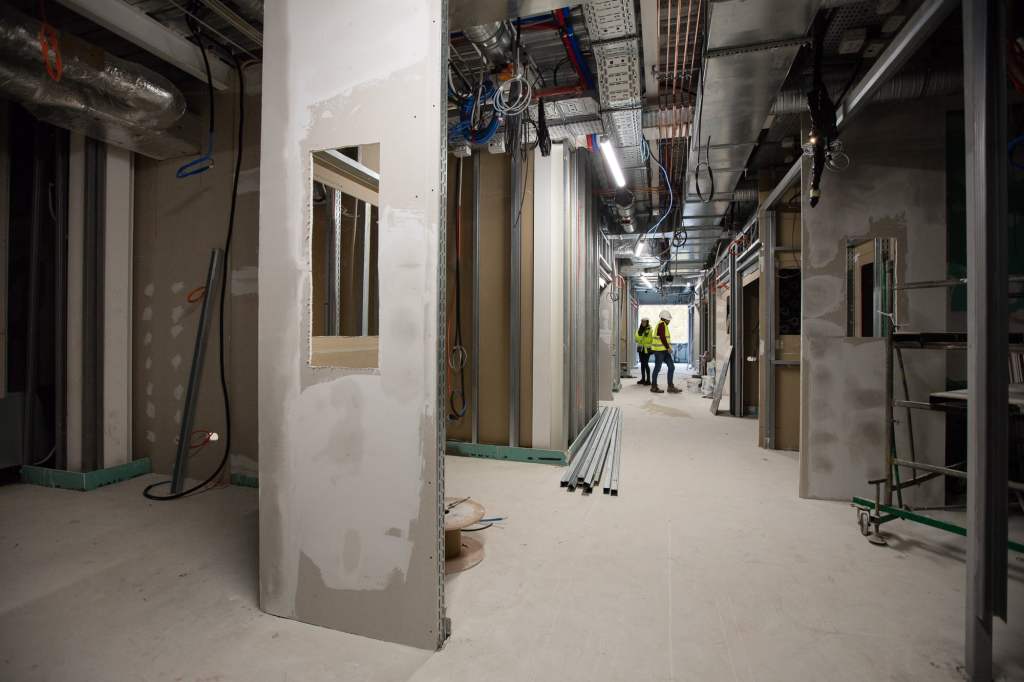
For this reason, Cătălin Cîrstoveanu and the Inima Copiilor NGO are collecting funds for a new expansion of the section: from 27 beds, as it currently has, to 46 places.
“Patient Zero”
Erica is now 12 and a half years old. He was “patient zero” in the neonatal intensive care unit at “Marie Curie”: the first patient admitted here after the renovation and modernization in 2013.
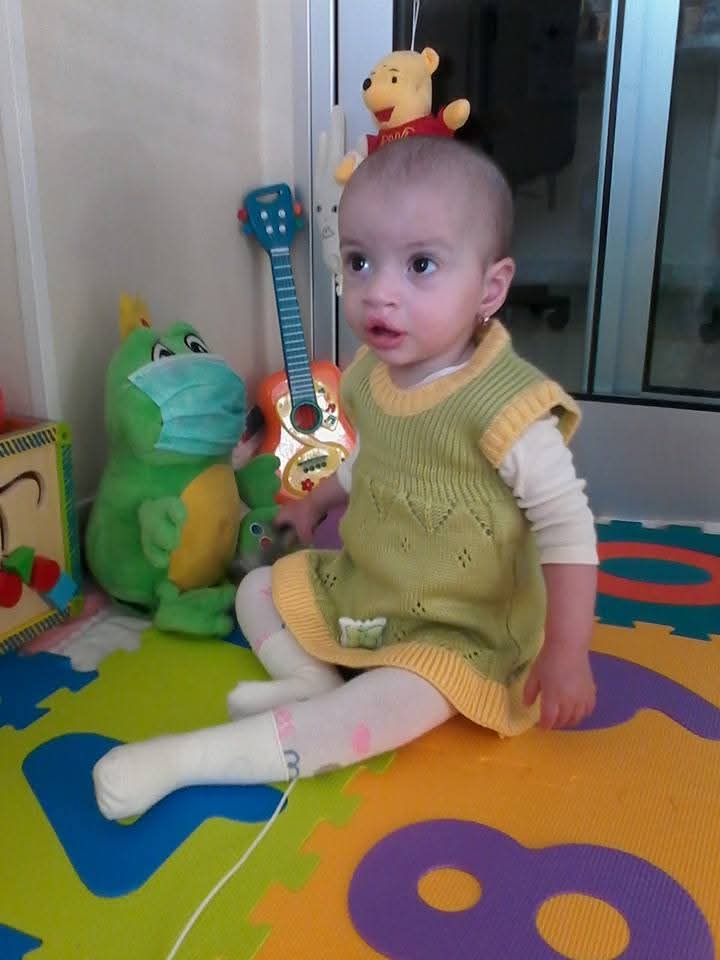
Born with a complex digestive malformation – she only had 15 centimeters of intestine – and with a lip and palatal vault malformation, Erica was initially hospitalized in the old neonatal intensive care unit at “Marie Curie”. He got there when he was 3 days old.
Erica was born at the hospital in Pitesti, and immediately after the birth, the neonatologist there spent 4 hours on the phone, asking for a transfer to the largest children's hospital in the country: “Marie Curie”, says Mihaela, Erica's mother. It was a serious surgical case, which had to be operated urgently.
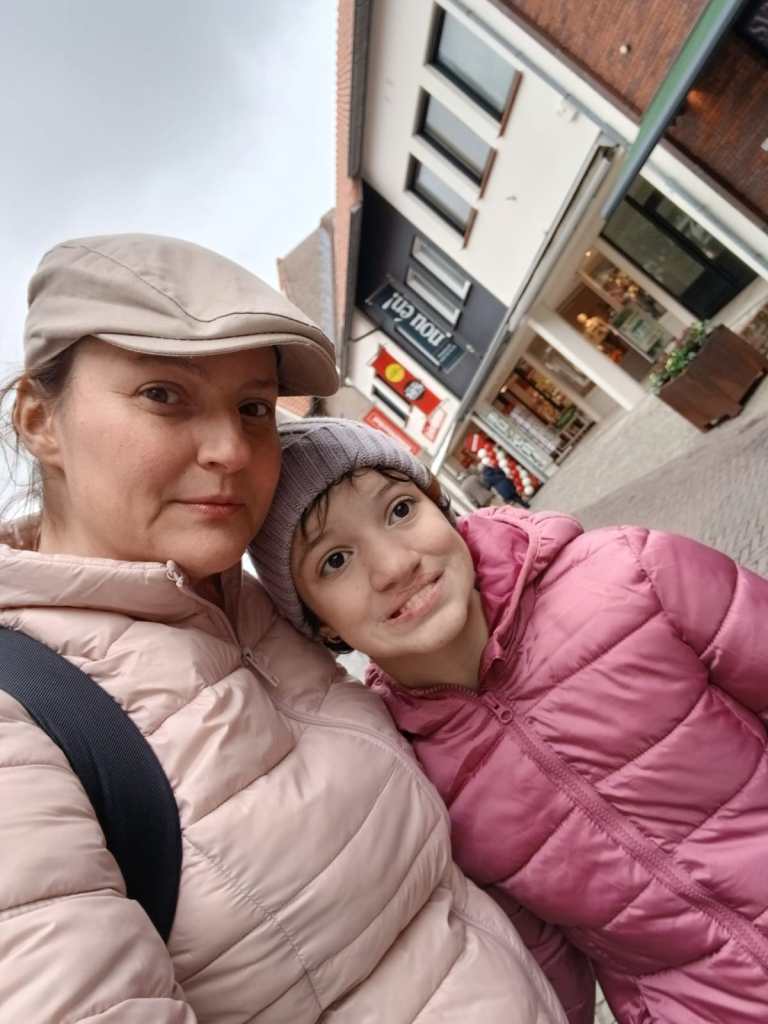
Mihaela, Erica's mother, remembers that the old neonatal intensive care unit at “Marie Curie” did not look like it does today: “There wasn't a box for each child, like now. It was a room with incubators.”
But like today, the ward was full. So, so that Erica could be received, “they crammed another incubator”, recalls Mihaela, her mother, in a dialogue with HotNews.
Six months later, the new section was opened, modernized and expanded with one million euros, money collected from donations.
Erica was hospitalized for 4 years
There, Erica would spend the next 4 years of her life. During this time, she was fed only parenterally, through infusions.
“She grew up with us. Erica was the first patient with whom we launched our ward, in 2013. Her mother was always by her side. She was born with only 15 centimeters of intestine. She went through seven major surgeries. The eighth intervention was in Italy, where a bowel lengthening was done and, basically, they managed to get 45 centimeters,” says Dr. Mihaela Bizubac, who took care of Erica in the “Marie Curie” ATI section.
Dr. Mihaela Bizubac considers Erica “a true heroine and trailblazer, because, after 4 years, she was the first patient in Romania who could be discharged with parenteral nutrition at home.”
Later, a revolutionary drug was brought to Romania, which helps patients like Erica “and increases the absorption surface. Erica was the first pediatric patient who benefited from this treatment, with sensational results, because after almost a year and a half she managed to get rid of the infusion and is now with us, with a normal, independent life”, says the doctor.
“We are glad from the bottom of our hearts that we were part of her story”, says Dr. Mihaela Bizubac. Who adds that “regardless of the evolution of medicine, things are not done without money.”
Today, when Erica is 12 and a half years old, her mother, Mihaela, does not forget that the neonatal intensive care unit at “Marie Curie” was her home for the first 4 years of her life.
“We spent 4 years in the Neonatal Intensive Care Unit. We were able to return home and Erica to be well thanks to a team of doctors who are her medical parents. I saw doctors who give absolutely everything, who give hope and, above all, life.”
“It's a team of people who work with the soul, because the drugs, sometimes, don't cope and because the medical equipment is not enough to make a diagnosis incompatible with life. It's the ward that doesn't sleep. I call them the “3D ward”, from love, dedication and devotion”, adds Erica's mother.
Mihaela, Erica's mother, also says that “if today is good, tomorrow maybe it will be even better” in the “Marie Curie” ward. Which he wants to see expanded, so that more children can have a chance at life.
“Now it's about those who have to come here”
Looking back, at Erica's case and other children like her, Dr. Cătălin Cîrstoveanu says that “they are incredible life stories, it is almost difficult for us to understand how they are here today. It is also a little difficult to explain this.”
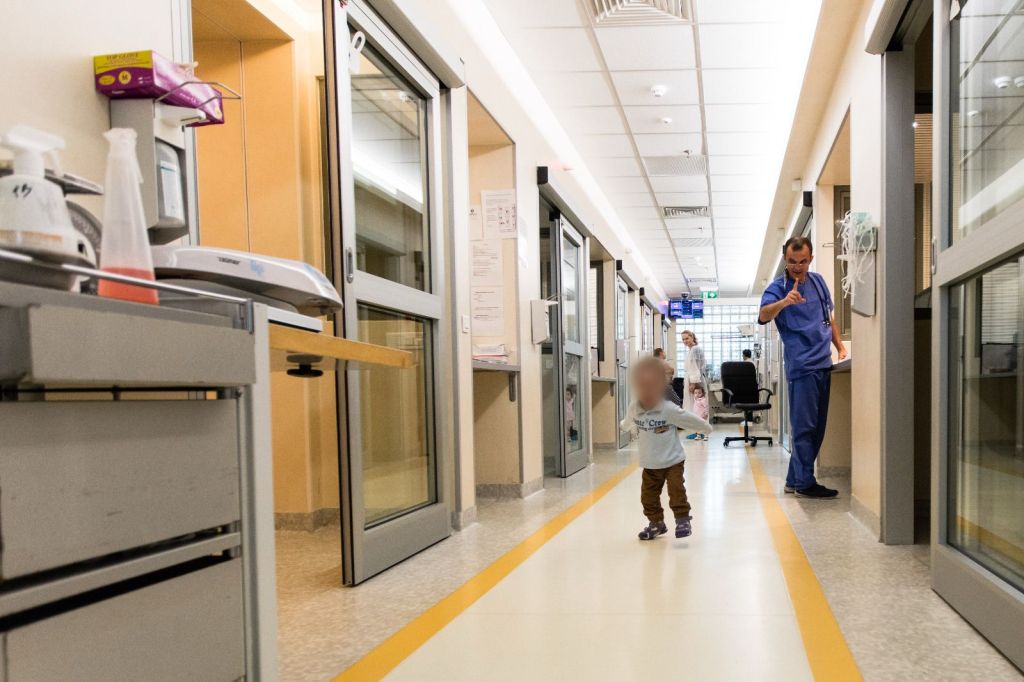
“Our job,” says Cătălin Cîrstoveanu, “is to send them home safely. Not all of them go home, however, about 85% of those who are here go home. We try to help 15% of them, but unfortunately they don't go home.” It's those cases too serious to survive.
But of the 85 percent who made it, the doctor dubbed the “Children's Angel” says “it was about them at one point, but now it's about those who have to come here.”
For the latter, the doctor, together with the Inima Copiilor NGO, are raising money to expand the ward to 46 beds.
At this moment, another 500 thousand euros are needed, says Alexandru Popa, the president of the NGO Inima Copiilor, which organizes the fundraising. Donations can be made via SMS to the phone number 8835 with the text BINE (5 euros per month), and companies can sponsor the project by redirecting the tax.
“We built, also through fundraising, the current version of the section, which we are proud of every day. But already many years ago we saw that waiting list that exists permanently and we started the project for the new expansion of the section, because it is needed”, says the president of Inima Copiilor.
“Help these children, who often have no chance!”, is Alexandru Popa's exhortation.