The Iranian currency collapsed, spontaneous protests broke out in Tehran and other major cities. Those who played a crucial role in the Islamic revolution also took to the streets

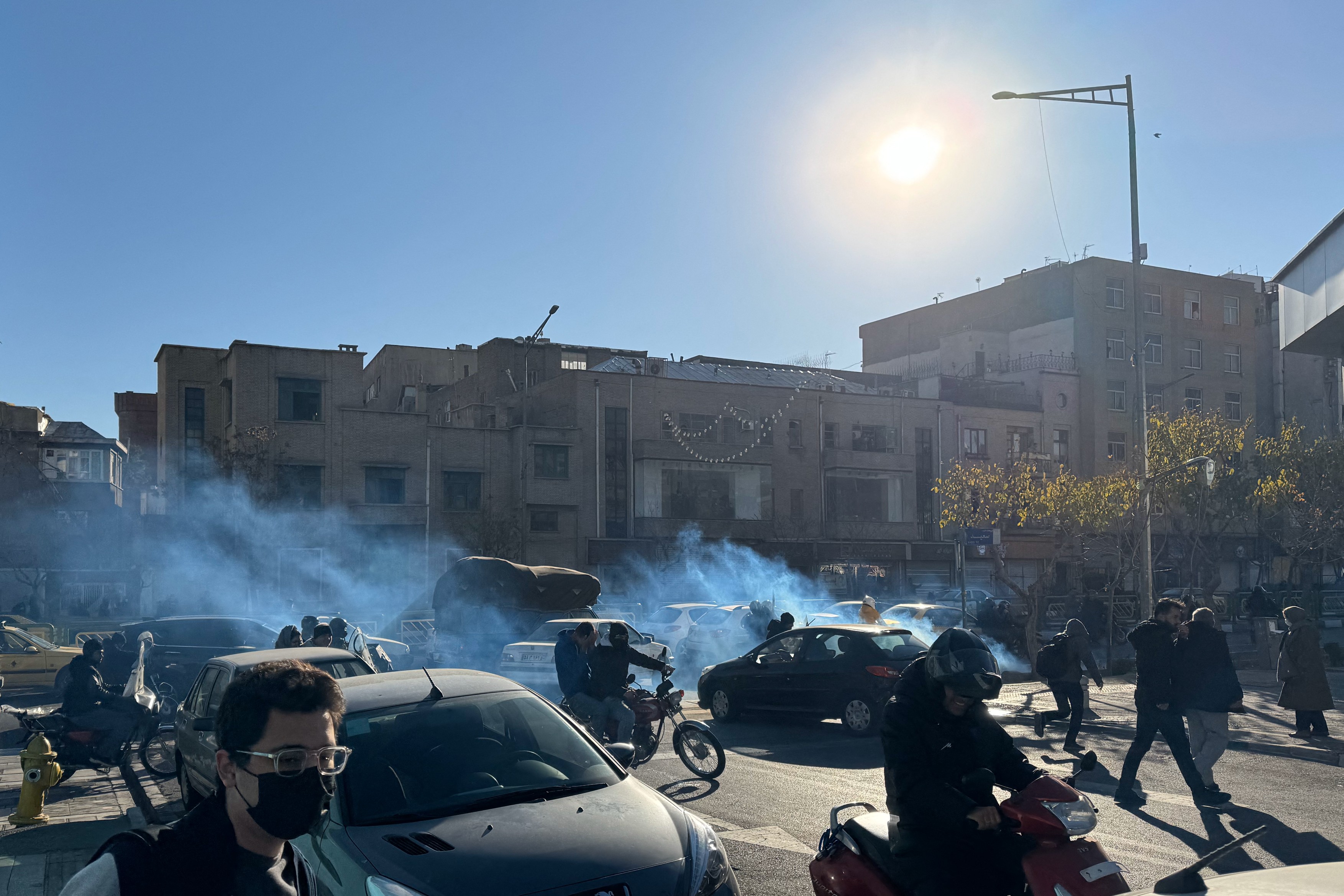
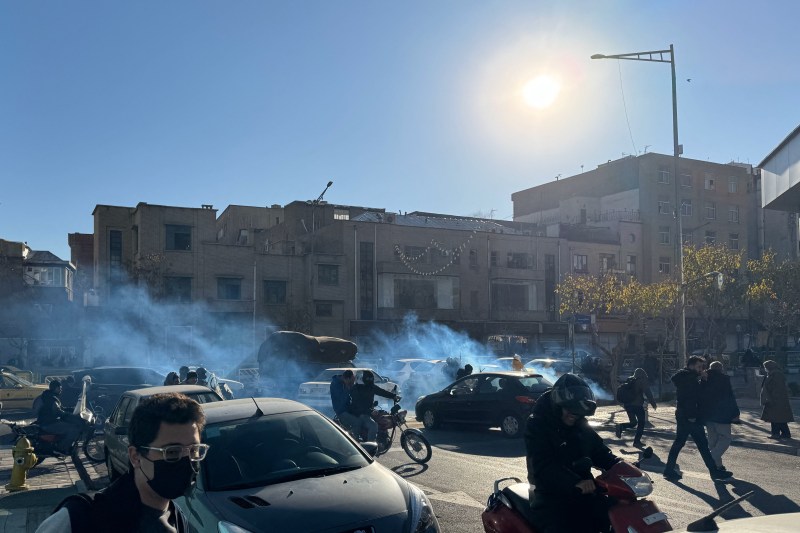
Protest in Tehran. Photo: HANDOUT / AFP / Profimedia
Iran saw its biggest protests in three years on Monday after the national currency fell to a record low against the US dollar and the head of the central bank resigned, the Associated Press and AFP reported.
State television announced Mohammad Reza Farzin's resignation as traders and shopkeepers gathered on Saadi Street in central Tehran, as well as in the Shush neighborhood near Tehran's grand bazaar.
Their protest is a significant development, as traders from the traditional bazaars played a crucial role in the 1979 Islamic Revolution that overthrew the monarchy and brought Islamists to power.
The official IRNA news agency confirmed the protests. Similar demonstrations took place in other major cities, including Isfahan in central Iran, Shiraz in the south and Mashhad in the northeast. In some places in Tehran, police fired tear gas to disperse the protesters.
Monday's protests were the largest since 2022, when the death of 22-year-old Mahsa Jina Amini in police custody sparked nationwide demonstrations. She was arrested by the country's moral police for not wearing the hijab properly.
Several people told The Associated Press that merchants closed their stores Monday and asked others to do the same. The semi-official ILNA news agency reported that many businesses had stopped operating, but some kept their stores open.
President Pezeshkian calls for 'legitimate claims' to be heard
Iranian President Massoud Pezeshkian called for the “legitimate demands” of protesters to be heard, news agencies reported on Tuesday morning after two days of protests by traders in Tehran against the high cost of living and rampant hyperinflation.
“I asked the interior minister to listen to the legitimate demands of the protesters, dialogue with their representatives, so that the government can act with all its might to solve the problems and act responsibly,” the president said, according to statements reported in particular by the Irna news agency.
The spontaneous protest movement began on Sunday in Tehran's largest mobile phone market, before expanding and gaining momentum on Monday.
Traders unhappy with a further drop in the value of the national currency closed their shops and demonstrated in the center of the Iranian capital, where there are many shops.
The rial fell to an all-time low against the dollar
It all started on Sunday, after the rial hit a new all-time low against the US currency, according to the black market rate, at more than 1.4 million rials to the dollar (compared to 820,000 a year ago) and 1.7 million to the euro (compared to 855,000).
The chronic depreciation of the rial has led to hyperinflation and high volatility in Iran, where some prices rise sharply from day to day.
This situation is paralyzing sales of certain imported goods, with sellers and buyers preferring to postpone any transaction until they have a clearer picture, according to France Presse.
“Many merchants preferred to suspend transactions to avoid possible losses,” the Irna agency explained on Monday, adding that the demonstrators “chanted slogans.”
Iran has been suffering from chronic hyperinflation for years. In December, prices rose an average of 52 percent from a year earlier, according to the Statistics Center of Iran, an official body. But this figure is far from faithfully reflecting the observed price increases, especially for basic necessities, writes AFP.