Two decades ago, hundreds of thousands of Poles arrived in the UK in search of a better life. Today, the direction of migration is beginning to reverse: more and more Britons are settling in Poland, attracted by the lower cost of living and the rapid pace of economic growth of the Central and Eastern European country.
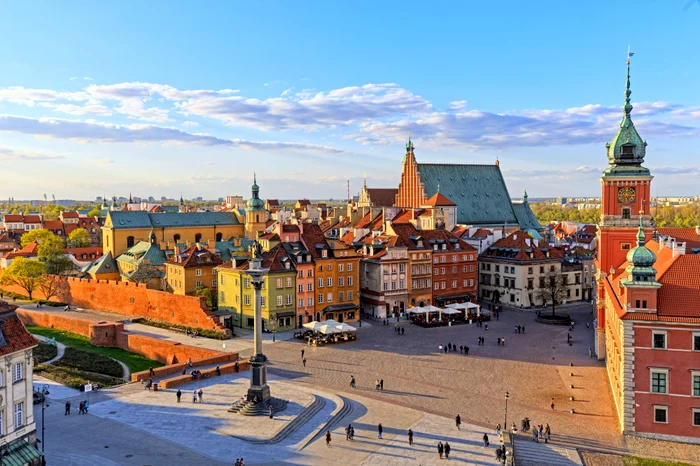
The British give London to Warsaw/PHOTO: Shutterstock
In the period since Poland's accession to the European Union, the number of Poles in the UK has increased from around 94,000 in 2004 to almost one million in 2016. After Brexit, however, Polish migration to the UK has fallen considerably. At the same time, Poland has become an increasingly popular destination for British citizens.
A growing economy, a lower cost of living
Poland has one of the most dynamic economies in Europe, with growth expected at 3.5% this year, compared to around 1.3% in the UK. According to a study by 5 Real Estate, the number of Britons moving to Poland increased by 340% between 2015 and 2024, from 41,000 to almost 185,000 people.
Many of those swapping British towns like Walsall or Croydon for Warsaw or Krakow cite similar reasons to those of Poles who left for the West in the early 2000s: economic opportunities, jobs and a more affordable standard of living.
“The differences become apparent”
Ivan Prothero, 27, has been living in Krakow since March 2024 with his Polish wife, Gabriela. The pair decided to settle in Poland after Gabriela had difficulty finding work in the UK.
“Once you moved, the differences between the two countries became quite apparent,” says Prothero, who works remotely for a UK PR agency. He describes Polish supermarkets as well-stocked and shopping centers as “bustling”, in contrast to many shopping areas in British cities.
“The cost of living is much more bearable here. People can afford to go out to a restaurant or a coffee on the weekend. Life seems more balanced,” he adds, also mentioning the sense of safety in public space.
An accelerated transformation
Zachary Warchol, a 30-year-old translator and English teacher, moved from Nottingham to the city of Lublin in 2016. He says he has witnessed firsthand Poland's rapid economic transformation.
“When I arrived here, transport from the 70s was still being used. Now, with European support, cities are investing in electric vehicles and new technologies“, he explains. Warchol also notes the increasing opportunities in fields such as IT and technology, especially in large cities such as Warsaw, Krakow or Wrocław.
More affordable properties, a calmer life
For some Britons, the move to Poland was mainly driven by the property market. Tony Arnold, a 51-year-old English teacher, moved to Olsztyn in northeastern Poland last year with his Polish wife and two children.
“In Hertfordshire we couldn't afford to buy a house. Here we bought a three-bedroom flat for around £60,000,” he says. Arnold describes Poland as “more relaxed”, with a low crime rate and a calmer pace of life than many British cities.
Increasing interest in relocation
Companies specializing in relocation confirm this trend. According to 1st Move International, online searches by Britons interested in moving to Poland have increased by 27%. Experts emphasize not only the economic advantages, but also the quality of life, modern infrastructure and social benefits, such as generous parental leave and affordable public transport.
Immigration consulting firms are also reporting an increase in requests amid the Polish government's more flexible policies aimed at attracting skilled international labor.
Not only young people, but also retired people
The phenomenon is not limited to the working population. More and more British retirees are choosing to retire to Poland, attracted by the lower costs and rural or semi-urban lifestyle. A 2023 report shows that more than 2,200 British pensioners settled in Poland after Brexit.
For some, the move is the fulfillment of a dream: a house in the country, a slower pace of life and a sense of belonging in a local community.
A change of direction
20 years after the mass migration of Poles to the UK, the reverse flow of Britons to Poland reflects profound economic changes in Europe. For many of those who have already taken the step, the decision is not a temporary one, but the beginning of a new life in a country that, for the first time, competes with the West not only in terms of costs, but also in quality of life.