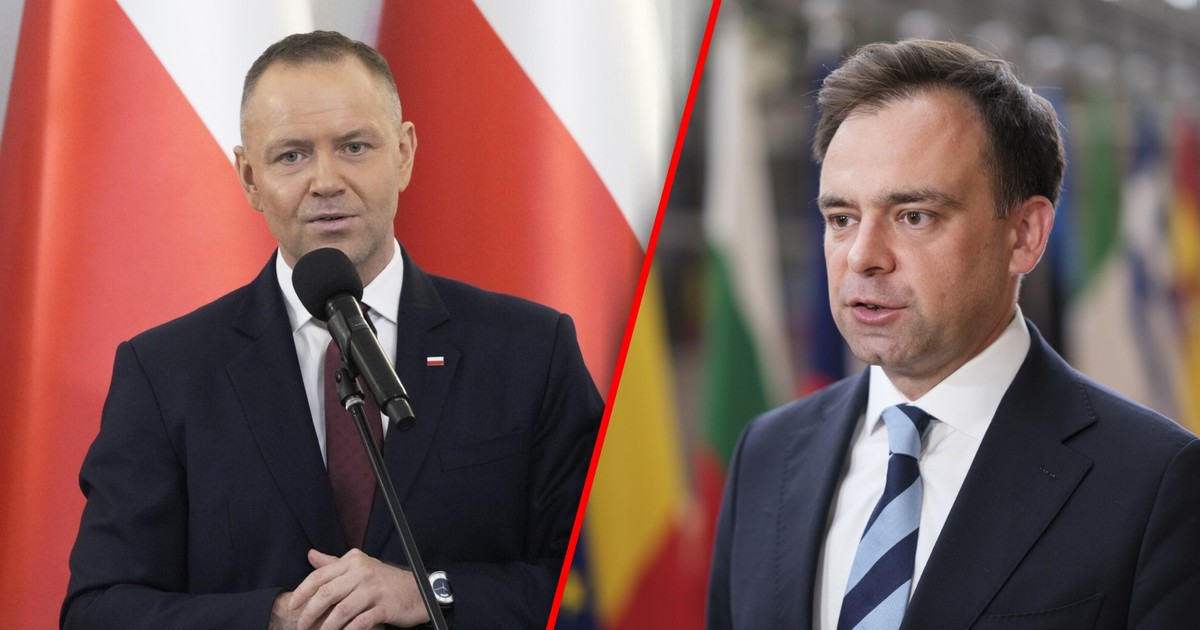
There is a race against time to implement the EU regulation on crypto-assets (MiCA). We have until June 30 to adapt the regulations. Yesterday, we learned about the government's draft bill on the crypto-assets market 3.0 and the bill submitted to the Sejm by President Karol Nawrocki.
As we reported, the government project 3.0 provides for a drastic increase in sanctions for various irregularities. The amount of many sanctions increased by 100 percent, but, for example, the fine for providing services without authorization increased fourfold (from PLN 5 million to PLN 20 million).
The president's project not only assumes that sanctions will remain at the lower level proposed by the government in the vetoed Act 2.0, but also, among others, lower annual fees.
We explain the differences between projects.
Importantly, the act on cryptoassets would not protect cryptocurrency investors from losing money and the collapse of the Zondacrypto exchange, as we explained in the article: Tusk calls for the rejection of the veto. The Cryptocurrency Act does not change anything
Lawyers also argue that even the quick adoption and signing of the act will not save the cryptoasset market in Poland.
What are the differences between the presidential and government projects regarding cryptoassets
The presidential project is based on the vetoed government project 2.0. Therefore, it provides for sanctions at a lower level, as proposed by the government from the beginning.
It also assumes a reduction in the costs of market supervision. The maximum annual fee rates to be paid by crypto-asset market entities would be lower than specified in the government project 3.0.
Crypto-asset service providers (CASPs) would pay an annual supervision fee of a maximum of 0.1%. average revenues, and according to the government project it would be 0.4 percent.
Issuers of asset-linked tokens (ART tokens) and e-money tokens (EMT tokens) would also pay 0.1%, and the government proposes that it be 0.5%.
The President also proposes relaxing the rules for blocking accounts by the Polish Financial Supervision Authority and judicial control over these blocks.
Both projects provide for the possibility of blocking a crypto-asset account for 96 hours. According to the presidential project, the chairman of the Polish Financial Supervision Authority could extend the blockade for a maximum of 3 months, and according to the government project for 6 months.
Moreover, the president proposes that consent to such an extension must be granted by an administrative court. The government, however, wants the chairman of the Polish Financial Supervision Authority to be able to extend the block himself, and the account holder would only be entitled to file a complaint to court against this decision of the body.
The presidential bill also specifies that if a crypto-asset account or a cash account was blocked in violation of the law or a specific transaction was suspended in violation of the law, the State Treasury would be liable for the damage.
The president also proposes shortening the maximum period for which the Polish Financial Supervision Authority may issue a ban on trading in specified cryptoassets to a cryptoasset supplier – from 24 months to 12 months (Article 94 of the draft).
A new obligation for the Minister of Finance and the Polish Financial Supervision Authority
The President also proposes that two years after the entry into force of the Act, the Minister of Finance and the Chairman of the Polish Financial Supervision Authority should present report on the cryptoasset market (new Article 169 of the presidential bill). It would include information, among others: about:
- entities offering cryptoassets for trading, token issuers and service providers in the field of cryptoassets,
- abuses on the crypto-assets market along with an analysis of the effectiveness of actions to prevent these abuses,
- types and number of proceedings,
- costs of supervision over the crypto-asset market and fees collected to cover the costs of supervision.
Author: Łukasz Zalewski, journalist of the Law section, Business Insider Polska