It's about the computer chip market, which is the key to the future of artificial intelligence in the world. The sector is considered the most promising in terms of profits in the near future, so Nvidia's leading position in it has driven the company's valuation to almost $5 trillion. market value and number one position among all companies in the world.
And this tycoon has recently started to feel the competition breathing down his back. Start-up Groq has reduced the response time of AI models from seconds to milliseconds through servers in Finland. Nvidia's bright future and its reign over the most coveted infrastructure of the generative AI era were suddenly in doubt. What was Nvidia's response to the threat? They went to Groq's shareholders, who recognized the strength of the arguments.
Nvidia acquires Groq
Nvidia has agreed to buy assets from Groq, a designer of high-performance artificial intelligence accelerator chips, for $20 billion in cash, according to Alex Davis, CEO of Disruptive, who led the startup's last round of funding in September.
Davis, whose company has invested more than half a billion dollars in Groq since its founding in 2016, said the transaction was quick. Three months ago, Groq raised USD 750 million. with a valuation of approximately USD 6.9 billion. Investors in this round included Blackrock and Neuberger Berman, as well as Samsung and Cisco, Altimeter and 1789 Capital, in which Donald Trump Jr. is a partner.
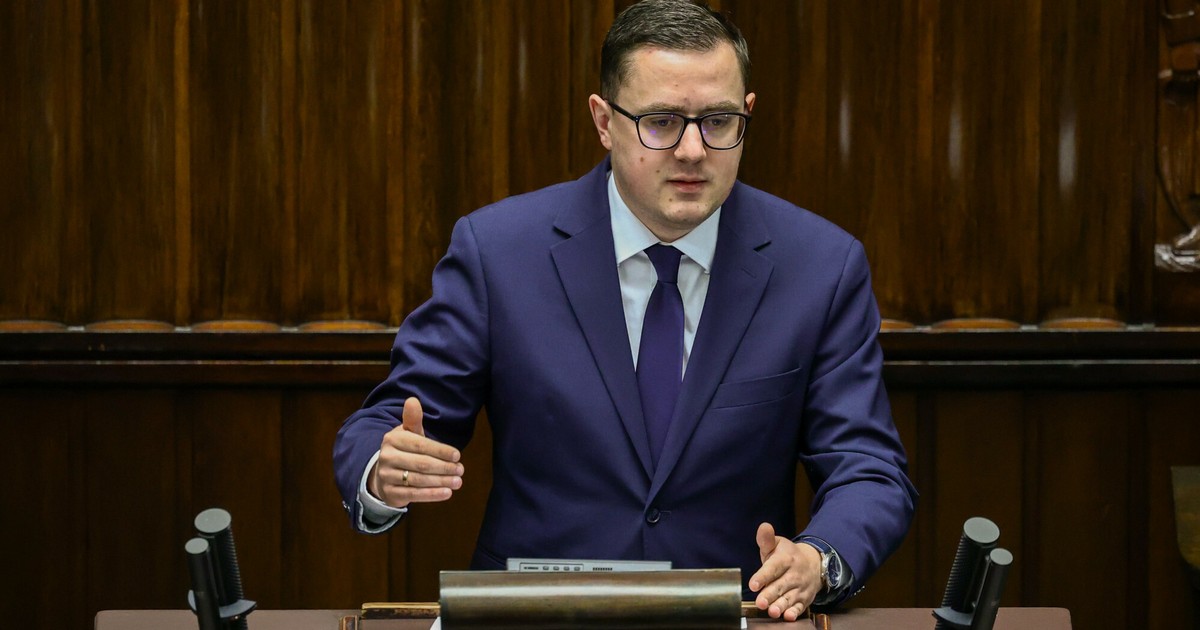
Groq said in a blog post on Wednesday that it “has entered into a non-exclusive licensing agreement with Nvidia for its Groq inference technology, without disclosing pricing. As part of the deal, Groq founder and CEO Jonathan Ross, along with Sunny Madra, the company's president, and other senior leaders “will join Nvidia to help develop and scale the licensed technology,” the post said.
Groq added that the company will continue to operate as an independent company, with Chief Financial Officer Simon Edwards as its CEO.
Davis said Nvidia is acquiring all of Groq's assets, though its nascent Groq cloud business is not part of the deal. “GroqCloud will operate without interruption,” the company said.
The largest transaction in Nvidia's history
This deal definitely represents the largest transaction in Nvidia's history. The previous largest acquisition of a chipmaker was in 2019, when Nvidia bought Israeli chipmaker Mellanox for nearly $7 billion. At the end of October, Nvidia had $60.6 billion. in cash and short-term investments, up from $13.3 billion. in early 2023
In an email to employees obtained by CNBC, Nvidia CEO Jensen Huang said the deal would expand the company's capabilities.
“We plan to integrate low-latency Groq processors into the NVIDIA AI factory architecture, expanding the platform to support an even wider range of real-time AI inference and workloads,” Huang wrote.
Huang added: “While we employ talented staff and license Groq's intellectual property, we are not acquiring Groq as a company.”
As CNBC reported at the time, Nvidia arranged a similar but smaller deal in September, committing over $900 million. to hire Enfabrica CEO Rochan Sankar and other employees of the AI hardware startup, as well as to license the company's technology.
Other tech giants, including Meta, Google and Microsoft, have invested heavily in hiring the best artificial intelligence specialists over the past few years through various types of licensing agreements.
Analysis of AI chips, from Nvidia GPUs to ASICs from Google and Amazon
Nvidia has increased investments in chip startups and the broader ecosystem as its cash resources grow. The company backed Crusoe, an artificial intelligence and energy infrastructure company, Cohere, a developer of artificial intelligence models, and increased its investment in CoreWeave.
In September, Nvidia announced that it intended to invest up to $100 billion. at OpenAI, and the startup has committed to deploying at least 10 gigawatts of Nvidia products. The companies have not yet announced a formal agreement. In the same month, Nvidia announced that it would invest $5 billion. at Intel.
Groq planned to achieve revenues of USD 500 million this year, due to the growing demand for AI acceleration systems used to accelerate the reasoning process in large language models. The company wasn't pursuing a sale when Nvidia approached it with the offer, Davis said.
In the first filing with the SEC at the end of 2016, which announced a fundraising of $10.3 million. Groq listed as directors Ross and Douglas Wightman, an entrepreneur and former engineer at the Google X “moonshot factory.” Wightman left Groq in 2019.