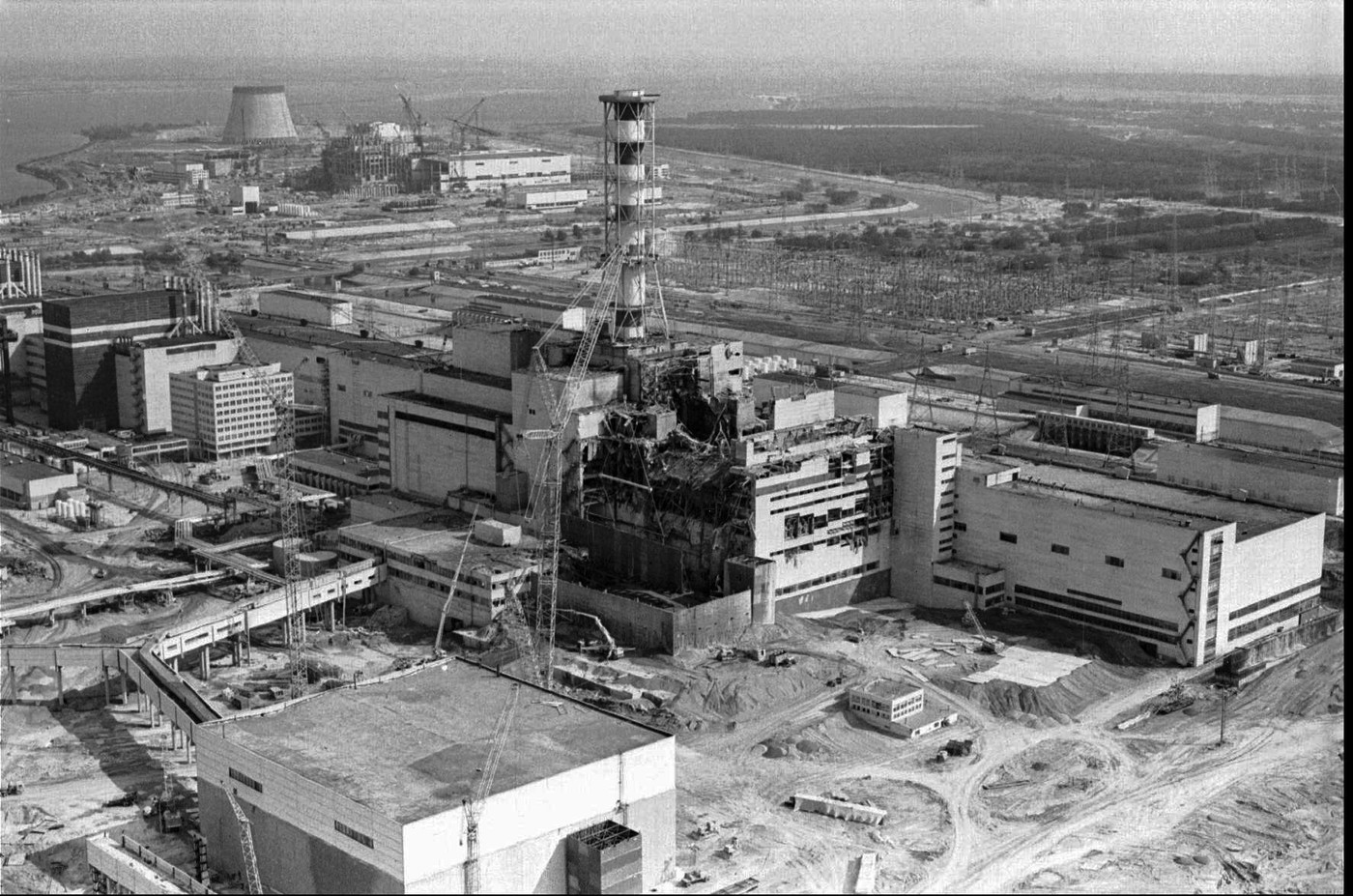
How much is our aid to Ukraine costing us versus what it would cost us if Russia wins. Expenditure on refugees alone would amount to more than 900 billion euros


In European public debates we hear more and more often the expression “funding Ukraine costs the European Union too much”. The argument resurfaced, recently, after EU leaders approved the 90 billion euro loan for this country. And yet the figures say something else: although significant, the European support for Ukraine is much more advantageous than the alternative, namely the expenses that the continent should bear in case of a possible defeat of Ukraine in front of Russia, writes journalist György Folk (EUrologus).
- The total aid granted to Ukraine, by the EU institutions and the 27 member states, from the beginning of the war until now, amounts to 177.5 billion euros, according to the European Parliament Research Service (EPRS). The money was given in the form of financial, military and humanitarian support.
- If Russia breaks the front and Ukraine is forced to accept a disadvantageous peace, the costs of Ukrainian refugees alone that the EU would have to bear would amount to between €524 and €952 billion over four years. Defense expenses are added to these amounts.
- This article was written as part of the EU Neighbors East cross-border journalistic cooperation programme.
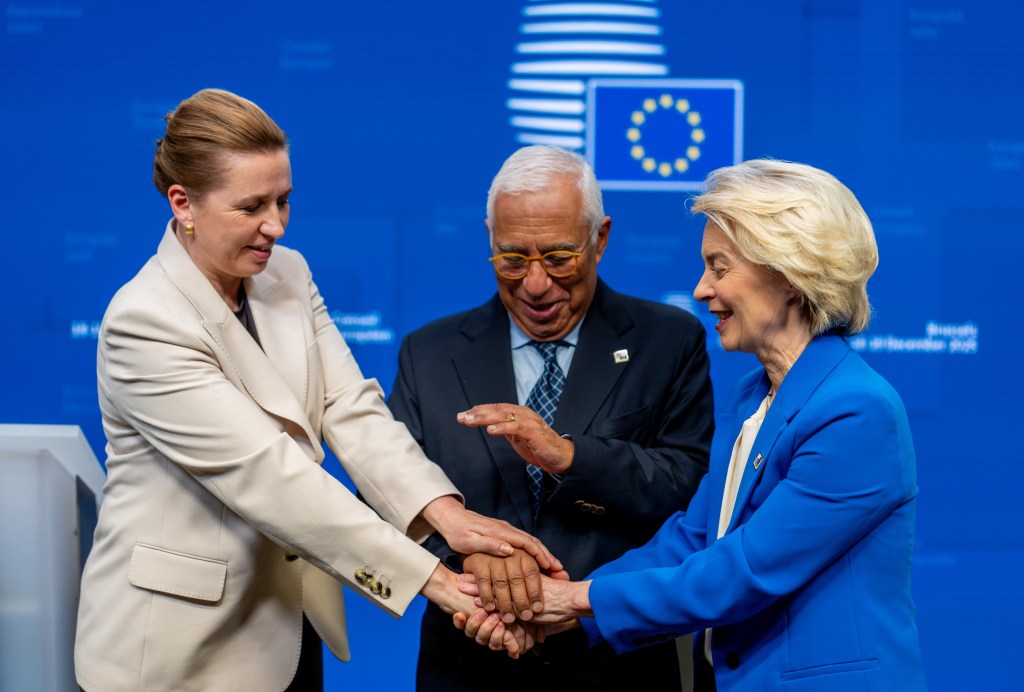
The political debate about the financial burden of the war, difficult for the EU to sustain, comes at a crucial moment: aid to Ukraine must continue as the United States has reduced its financial involvement, and Europe must fill the gap. The Union's position is also complicated by internal tensions, including opposition from some populist leaders. At the European summit on 18–19 December 2025, EU leaders negotiated ways to finance support for Ukraine in 2026–2027 and sought solutions to avoid internal political deadlocks.
Key EU decisions
An important step adopted by the member states was the extension of the sanctions against Russia indefinitely, without the need for a six-month review and without the possibility of a national veto on them. This allowed the EU to keep frozen some of the Russian bank assets, worth about 210 billion euros, and use them as collateral for loans to Ukraine. The summit also agreed on a support package worth 90 billion euros, structured as loans for 2026-2027, but which will not generate direct budget obligations for states such as the Czech Republic, Hungary and Slovakia.
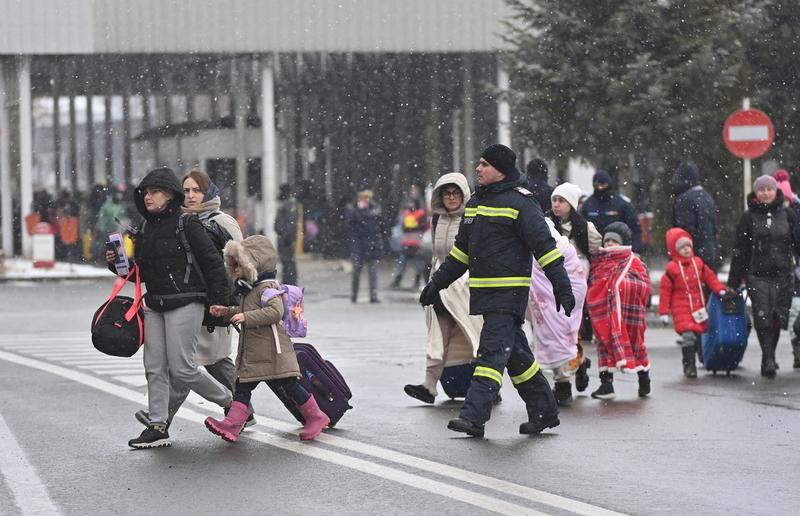
Romania, included in the expenses for Ukrainian refugees
There is no dispute between international creditors and donors: ensuring continued support for Ukraine is a matter of utmost urgency. In a statement dated November 26, 2025, the International Monetary Fund (IMF) formulated the situation as follows: “rapid intervention by donors is essential to avoid liquidity problems.”
Germany allocates the largest sums to finance anti-aircraft defense systems and tanks, while Poland, the Czech Republic and the Baltic states have supplied the most heavy weapons.
In addition, refugee-related spending is particularly pressing on Germany, Poland, Romania and the Czech Republic, but most governments hide it in their own budgets under “social policies” and “education”.
Here too, the IMF points out that Ukraine's fiscal and external financing needs are high, and risks are “exceptionally high” due to the duration and intensity of the war, as well as fluctuations in support. The World Bank, for its part, advances a concrete figure, estimating Ukraine's need for external financing for 2025 at 37 billion euros.
Ukraine is heading for one of the fewest new aid decisions since the outbreak of war in 2022. Europe has allocated only about 4.2 billion euros in new military support to Ukraine, an amount far from compensating for the halt in support from the United States, an analysis by the Kiel Institute warns.
In parallel, the differences within Europe have increased. France, Germany and the United Kingdom have significantly increased their commitments, but in relative terms they still remain below the level of the Nordic countries. In contrast, Italy and Spain contributed only minimal support.
How much is Ukraine worth to the EU?
According to a summary published in October 2025 by the European Parliament Research Service (EPRS), the EU institutions and the 27 member states, acting together under the name “Team Europe”, have mobilized approximately 177.5 billion euros in the form of financial, military and humanitarian support for Ukraine, from February 2022 until now.
This amount includes macro-financial assistance and the Ukraine Facility worth EUR 50 billion for the period 2024-2027, of which EUR 38.27 billion represents direct budget support, granted mainly through concessional loans.
To these is added the military contribution, which the EPRS estimates at around €63-65 billion, including deliveries made by member states and payments through the European Peace Facility (EPF).
However, these payments have been blocked for two and a half years due to Hungary's veto, with funds of around 6 billion euros frozen. Expenditure related to the reception and support of refugees is the chapter that EPRS, based on data from the Kiel Institute's Ukraine Support Tracker, estimates at around 155 billion euros for the period from the beginning of 2022 until August 2025. If we add all these elements, the EU budget programs, military aid and refugee spending, the “cost” of Ukraine to the European Union amounts to around 330 billion euros during the 3.5 years. This means approximately €90-100 billion per year, given that the EU-27 GDP exceeded €15,000 billion in 2024, i.e. around 0.6-0.7% per year of the economic performance of the European Union.
EIB and EBRD: the 'war economy' of development at EU level
In addition to the classic budget chapters, it should not be forgotten that the financial institutions of the European Union are key players in the financing of Ukraine. According to a statement from the European Investment Bank (EIB) group in July 2025, since the beginning of the Russian invasion, the institution has mobilized 3.6 billion euros in support and loans to Ukraine, mainly for energy infrastructure, transport and SME financing.
The European Bank for Reconstruction and Development (EBRD) is the largest institutional investor in Ukraine during the war. At the 2025 Rome Conference for the Reconstruction of Ukraine, the EBRD reported €7.6 billion in conflict-related financing and announced plans to maintain an annual level of €1.5-2 billion.
The main purpose of these financings is to maintain the operation of critical infrastructure, such as power plants, bridges, district heating systems, border crossing points, as well as to support small and medium-sized enterprises, i.e. all the elements without which a state on the front line would quickly turn into an unstable territory prone to collapse.
Europe vs. US: Who's Really Paying for the Russian-Ukrainian War?
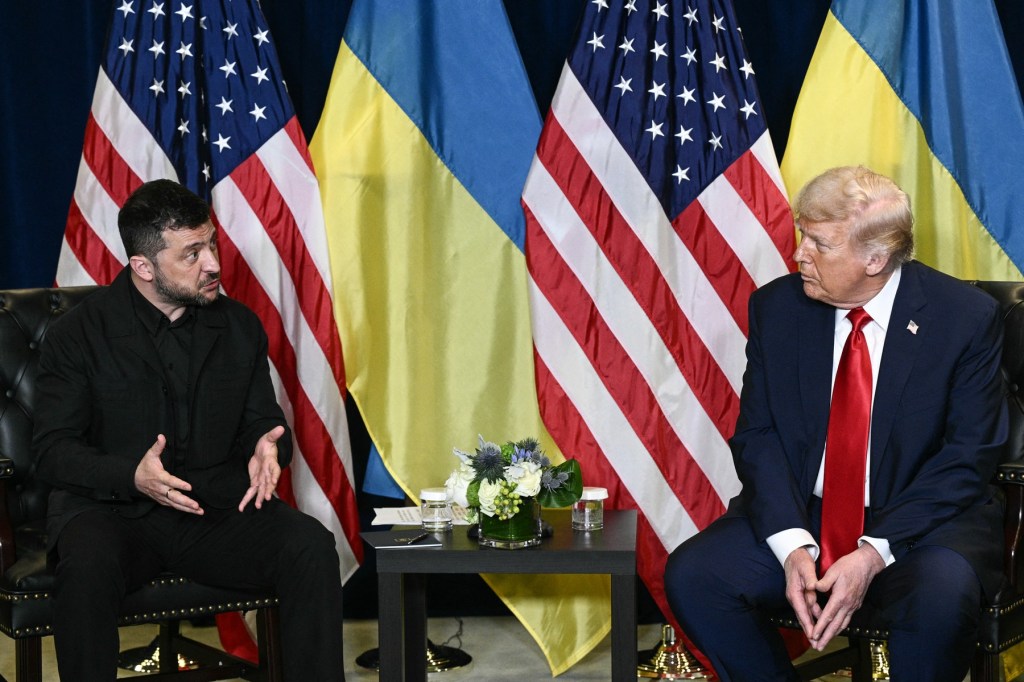
According to the latest data, Europe has become, regardless of the speeches in Washington, the main financier of Ukraine since the first months of this year. According to an analysis carried out by the Kiel Institute, from 2022 until now EU institutions and member states have committed together around 165.7 billion euros in support of Ukraine, while the United States has allocated around 130.6 billion euros.
The European Parliament Research Service (EPRS) points out, for its part, that “Team Europe” surpassed the United States in 2025 in terms of the total amount of financial, humanitarian and military support allocated. And in terms of military equipment, the EU member states slightly surpassed Washington this year: 65.1 billion euros allocated by Europe, compared to 64.6 billion euros – from American sources, to which are added additional European commitments worth 32.8 billion euros. However, the picture is more nuanced.
A significantly larger share of US support is non-repayable, while around 75% of EU funding consists of concessional loans with long grace periods and subsidized interest rates. In other words, the immediate budgetary cost to the EU is lower, but the long-term financial risk is higher, with the Union betting, at least in part, that these loans will eventually be repaid from Russian assets or through an eventual war reparations mechanism.
What would cost more: the victory of Ukraine or the push of the front to the west?
Paradoxically, the strongest argument against the idea that “supporting Ukraine is too expensive” is precisely the analysis of the costs that the lack of support would entail. In this regard, a very recent benchmark is provided by a study by the Norwegian civilian-funded analytics company Corisk together with the Norwegian Institute for International Affairs (NUPI), which compares two scenarios:
Scenario 1, Russian (semi)victory:
Moscow pushes the front to the west, and Ukraine is forced to accept a “bad peace”, losing even half of its territory. According to the study, in this case, Europe would incur between 524 and 952 billion euros in refugee and social spending over four years, with additional defense spending added, bringing the total bill to 1.2-1.6 trillion euros.
Scenario 2, Ukrainian victory:
Europe would arm Ukraine on a large scale, meaning 1,500-2,500 tanks, 2,000-3,000 artillery systems, up to 8 million drones and modern air defense systems, allowing Ukrainian forces to repel Russian troops and force the Kremlin to accept a favorable peace. According to the researchers, the cost of this scenario would be 522-838 billion euros in four years, that is, about half of the amount that Europe would have to pay in case of a Russian “victory”.
What would it mean if Russia attacked a NATO member state?
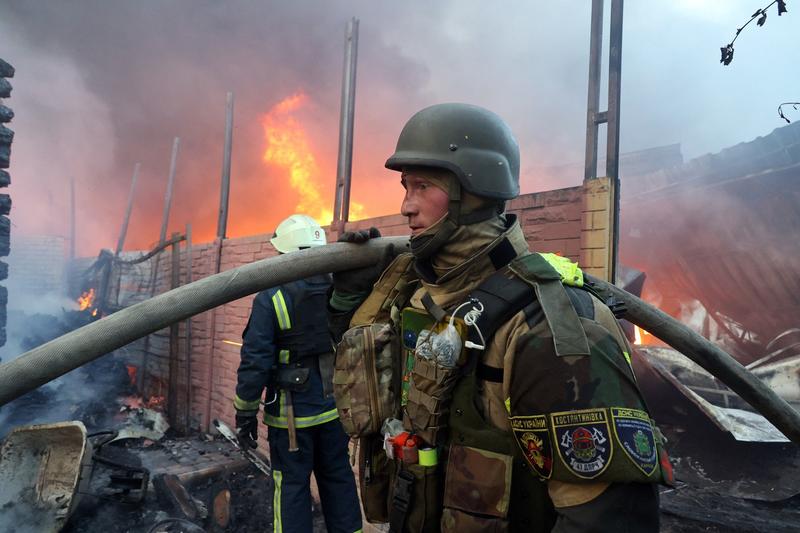
There is no official, direct, EU-level calculation of the costs of an actual NATO war, but there are rough estimates of what it would entail to defend Europe even in the event of an American withdrawal. According to a 2025 analysis by the Brussels think tank Bruegel, if Europe were to deter Russia without the United States, it would require at least 300,000 additional troops and additional defense spending of around 250 billion euros annually in the coming years.
According to the Norwegian study cited above, in the event of a Russian military conflict against NATO, the additional defense costs needed to strengthen the eastern flank of the Alliance would raise Europe's total expenses, in scenario 1, to 1,200-1,600 billion euros. This amount, in itself, is already higher than the total current EU spending on supporting Ukraine, and this does not include the possible destruction of infrastructure in a Baltic or Scandinavian theater of war, nor possible new waves of refugees.
This article was written in the framework of the “EU Neighbors East” programme. The opinions expressed belong exclusively to the author of the article.