
Poinsettia, the red flower inherited from the Aztecs that gives color to Christmas. How it became so popular in Europe and why it can be toxic


Every December, the poinsettia floods homes and shops – it's so present that it risks becoming just a mere seasonal prop. However, the beautiful red flower is not a decoration that arrived at Christmas by accident. She is a survivor, a political symbol and a silent witness to centuries of cultural exchange. Its story stretches from ancient Aztec ritual to diplomacy, from indigenous cosmology to global capitalism.
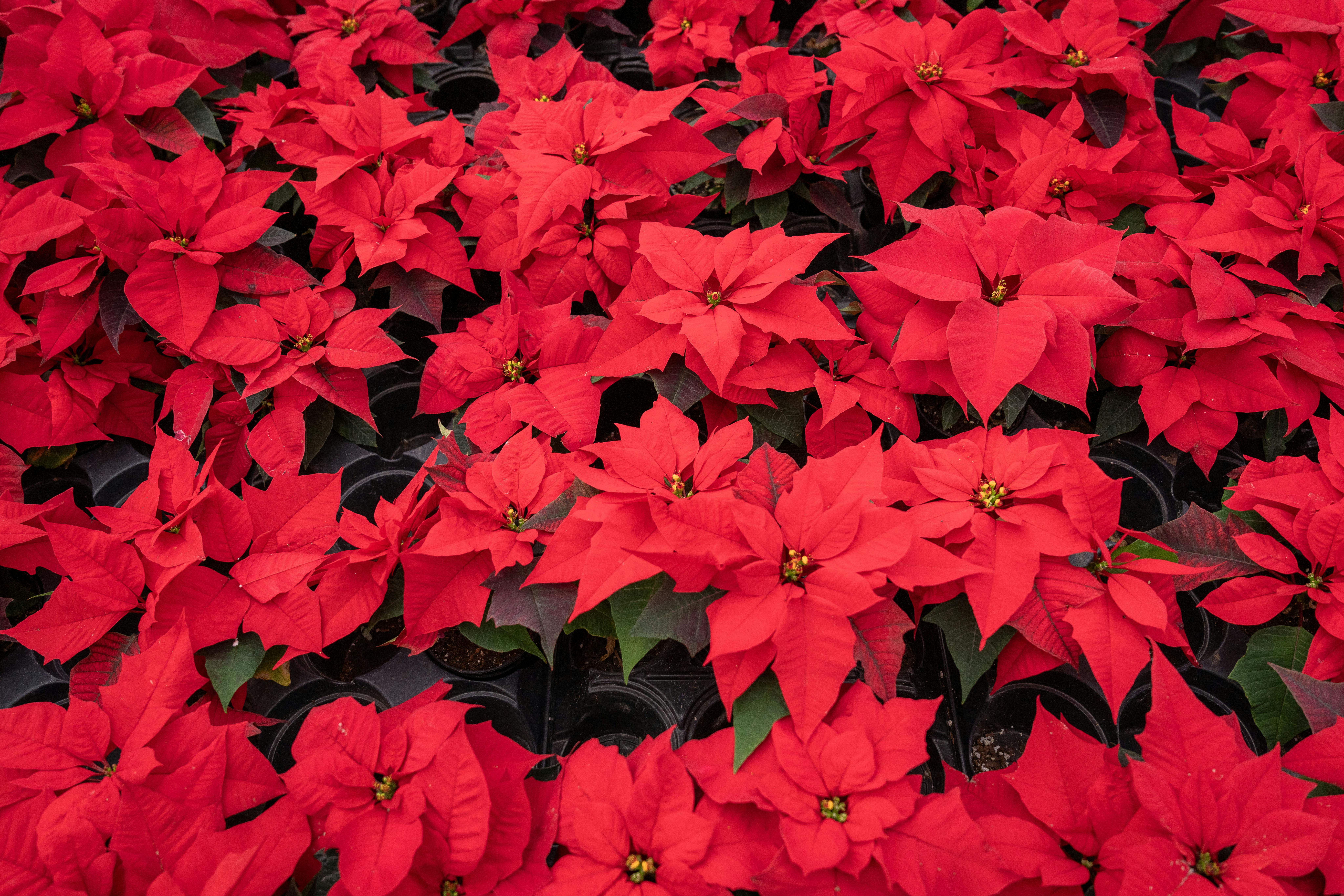
The flower was brought to Europe in the 19th century. PHOTO: pexels
Long before it was associated with Christmas, the plant known today as Euphorbia pulcherrima it grew wild on the Pacific slopes of southern Mexico. The Aztecs called it “cuetlaxōchitl”, a word that does not translate literally, but which can be understood as “flower that grows in residues” or “skin-like flower”. This was not a festive ornament, but a utilitarian and symbolic plant. Its red pigments were used for dyes. Its milky sap, toxic in large doses, had medicinal applications. Most importantly, the red color had a symbolism: blood, sacrifice, the daily rebirth of the sun. In a civilization where cosmology and botany were intertwined, the plant already belonged to the domain of religion.
The Spanish conquest of the XV-XVI centuries did not erase this meaning. Catholic missionaries, alert to the persuasive power of symbols, noticed that the plant bloomed in winter, about the time of Christmas. Red, linked to the sacrifice of Jesus Christ, and the star shape given by its upper leaves – mistaken for petals – created a new metaphor: the Star of Bethlehem. So a local plant of the ancient Aztecs was integrated into a European narrative. The poinsettia became part of the Nativity story in Mexico, most notably through a popular legend in which a poor child placed weeds at a church altar, only for them to miraculously bloom into bright red flowers.
The flower of diplomacy
The plant might have remained a regional Christmas custom if there hadn't been a man whose name inherited it. Joel Roberts Poinsett was the first US ambassador to Mexico, appointed in the turbulent 1820s, but also an enthusiastic amateur botanist. Poinsett became deeply involved in Mexican domestic affairs, promoting US interests with an arrogance that made him widely disliked. His name became so synonymous with interference that “poinsettismo” entered the Mexican political vocabulary as a term of warning. However, Poinsett's botanical curiosity ensured his afterlife in a…strange way. He encountered the plant near Taxco, cut specimens and sent them to his greenhouse in South Carolina. From there, the poinsettia began its slow rise in American horticulture. It was cultivated, hybridized, exhibited at flower shows. By the end of the 19th century, it appeared in US Christmas celebrations, stripped of its Mexican name and renamed after a diplomat whose legacy remains complicated.
There is something revealing about this renaming. The global fame of the poinsettia rests on a colonial act of extraction that mirrors so many others: a local species, rooted in indigenous and regional traditions, that gained renown through the authority of a foreign collector. Its popularity in the US blossomed as the country's cultural confidence grew, and by the 20th century it had become visual shorthand for Christmas. Meanwhile, Mexico has maintained its own relationship with the plant.
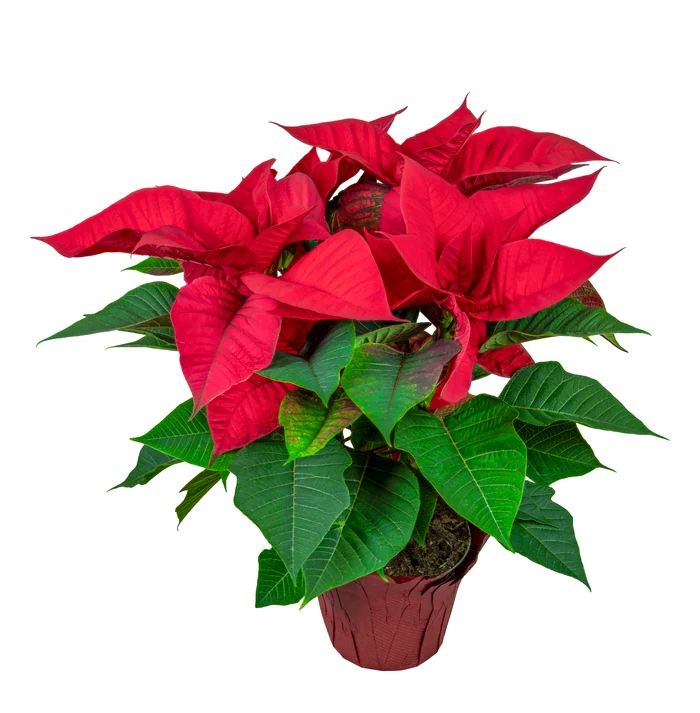
Poinsettia, the most popular Christmas flower. PHOTO: Shutterstock
Modern poinsettias are also marvels of biohacking. What most people think of as flower petals—the big, red shapes—are actually modified leaves called bracts. The real flowers are the little yellow structures in the center, easy to overlook. This botanical dexterity is part of the plant's evolutionary strategy, designed to attract pollinators. The color change that makes the poinsettia famous is triggered by darkness, not cold. It needs long nights to develop its red bracts, a fact that delights botanists and frustrates casual gardeners. Car headlights, interior lamps, a television left on too late – any interruption of darkness can prevent the transformation. In this sense, the poinsettia is a winter plant not because of snow or frost, but blooms in response to astronomy. And Christmas is tied to the calendar and the sun, arriving just after the solstice, when the days begin their slow return. The flower and the celebration basically have a common cosmic calendar.
Monopoly on red
In the 20th century, the poinsettia became intertwined with commerce. California growers, especially the Eckes, developed techniques that helped produce compact, bushy plants ideal for mass sale. Through clever marketing and distribution control, they turned the poinsettia into a monopoly in December. By mid-century, it was almost impossible to imagine a Western Christmas without it. The plant that once grew wild in the Mexican hills now moved through a carefully managed supply chain from greenhouse to dining room.
However, despite its industrialization, the poinsettia resists complete domestication. It remains mildly dangerous, its sap being irritating to skin and toxic to pets. It loses its leaves and withers when neglected. Every December, the poinsettia returns, not because it's timeless, but because it's cyclical. It belongs to a season of repetition, of retold stories and renewed meanings. It requires very little – darkness, water, little attention – and provides a flash of color when the world is otherwise empty. Beneath the glitter of the holidays, it remains what it always was: a plant that learned, a long time ago, how to make winter visible.


