One of the two great rivers that formed the “Fertile Crescent” is in danger of disappearing, thousands of years after civilization was born on its banks

The Tigris, Iraq's famous river, is heavily polluted and at risk of drying up. Experts and environmental activists warn that, in the absence of urgent measures to save the river, the lives of the ancient communities living on its banks will be irreversibly affected, The Guardian reports.
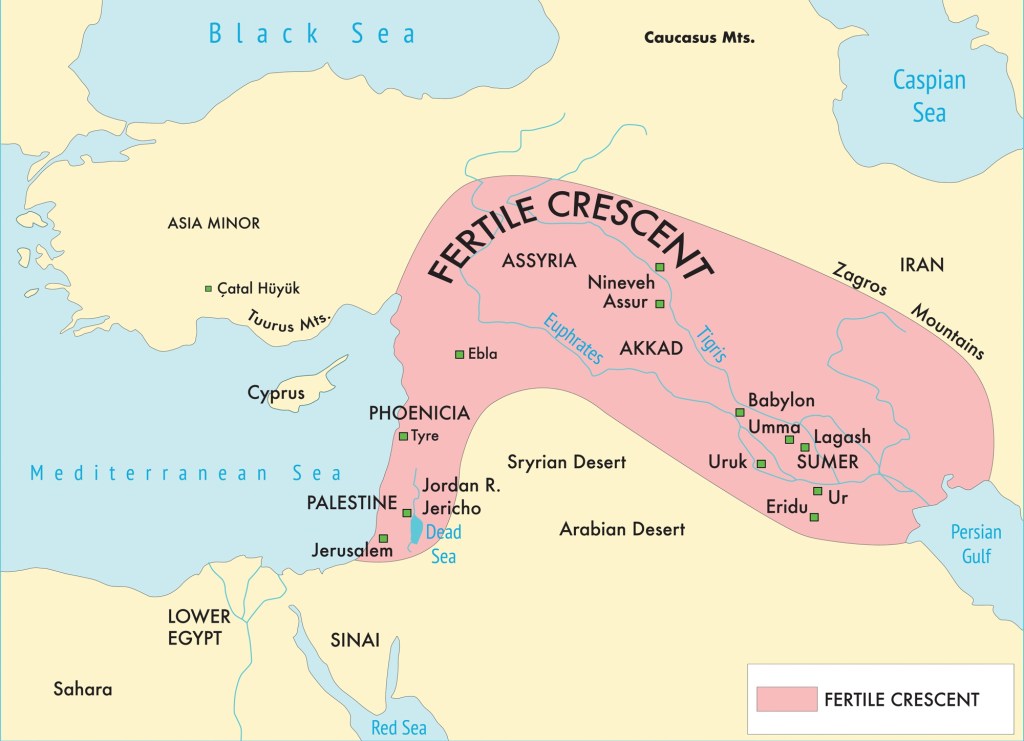
The Tigris is one of two famous rivers that cradle Mesopotamia and were once part of the “Fertile Crescent,” the area of the Middle East considered the “cradle of civilization.”
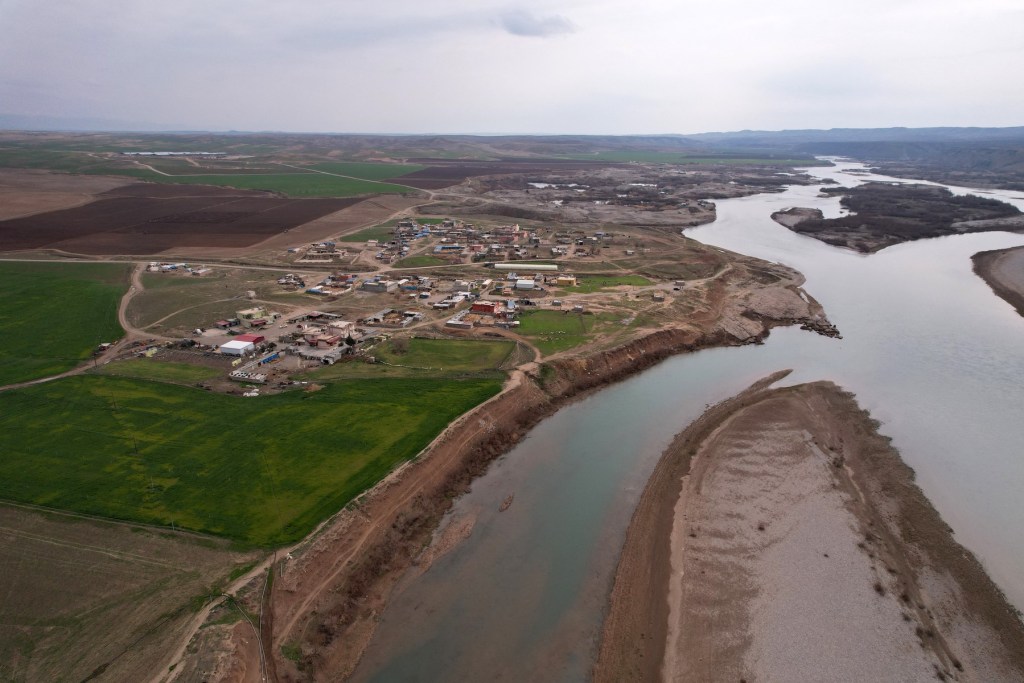
The Tigris rises in southeastern Turkey and runs through Iraq from north to south, passing through the country's two largest cities, Mosul and Baghdad, until it joins the Euphrates, the other great river of ancient Mesopotamia; together, under the name of the Shatt al-Arab, it ends its course southward to the Gulf.
Here, on the banks of these rivers, the history of the world was changed. Large-scale agriculture was first developed, the first words were written, and the wheel was invented.
Today, the waters of the Tigris are used for irrigation, transportation, industry, power generation, and for drinking water by the approximately 18 million Iraqis who live in its watershed.
“All civilization and all the stories you hear about depend on these two rivers”
“The whole life of Iraqis depends on water. All civilization and all the stories you hear about depend on these two rivers. It's more than water to drink or irrigate or use or wash… It's even more than spirituality,” says Salman Khairalla, founder of a non-governmental organization dedicated to protecting the river.
But the health of the river has been declining for decades. Iraq had a state-of-the-art water infrastructure until the US made it a target in Operation Desert Storm in 1991. With the destruction of the sewage treatment plants, sewage overflowed into waterways.
Years of sanctions and conflict meant that the infrastructure was never fully rebuilt. Today, in southern and central Iraq, only 30% of urban households are connected to a sewage treatment network. In rural areas, the percentage drops to 1.7%.
In addition to municipal waste, chemical fertilizers and pesticides from agricultural runoff, industrial waste, including that from the oil sector, and medical waste all end up in the river.
A 2022 study found that water quality was rated as “poor” or “very poor” in many parts of Baghdad. In 2018, at least 118,000 people in the southern city of Basra were treated in hospitals after drinking contaminated water.
Alarming decline in Tiger flows
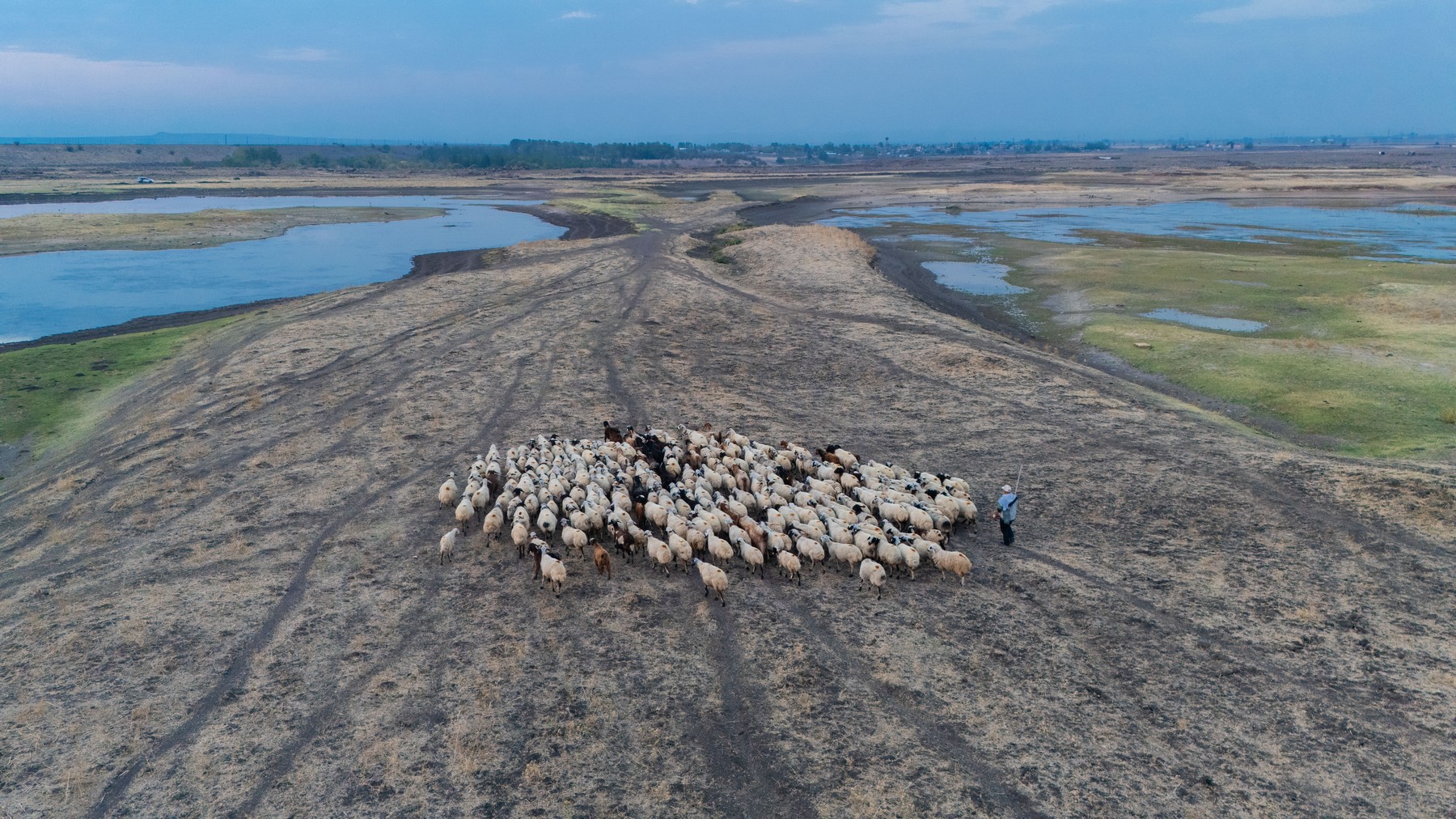
The volume of the river has also dropped dramatically. Over the past 30 years, Turkey has built major dams on the Tigris, and the amount of water reaching Baghdad has dropped by 33 percent. Iran, for its part, has built dams and diverted water from the shared rivers that feed the Tigris. Inside Iraq, water is frequently overused, especially in the agricultural sector, which consumes at least 85% of the country's surface water.
The climate crisis is also having its say. Iraq has seen a 30% drop in rainfall and is facing its worst drought in nearly a century. The demand for fresh water is expected to exceed the supply by 2035. This summer, the level of the Tigris was so low that people could easily cross it on foot.
Khairalla believes that upstream dams and mismanagement are the biggest causes of concern because as the volume of the river decreases, the concentration of pollutants increases. “Water quality depends on quantity,” he said.
The situation is aggravated by geopolitical misunderstandings
The Iraqi government has repeatedly had to pressure its northern neighbor to release more water from the dams. But Turkish officials frequently cite the “waste” in Iraq in discussions.
In November, Baghdad and Ankara signed a mechanism to address some of the river's problems: stopping pollution, introducing modern irrigation technologies, restoring farmland and improving water management.
The deal has been described as an “oil for water” arrangement, as the infrastructure projects will be carried out by Turkish companies and paid for with oil-derived funds. The Iraqi Foreign Ministry presented it as an “unprecedented” deal.
But the deal has drawn harsh criticism from experts, environmental activists and the public amid a lack of public details on the deal, concerns that it appears to give Ankara control over Iraq's water resources and that it is not binding.
“Right now there is no actual agreement,” says Mohsen al-Shammari, Iraq's former minister of water resources. “I would say it's more like electoral propaganda,” he believes. The agreement was signed just nine days before Iraq's general elections.
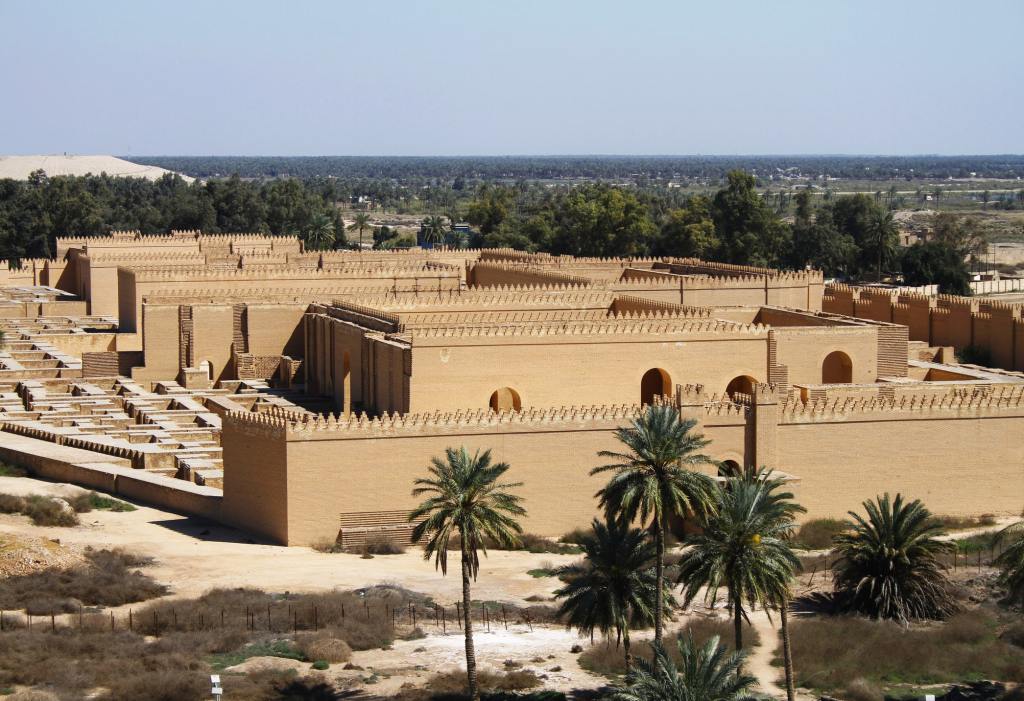 The cradle of civilization is in danger of collapsing into the sand after thousands of years, due to an implacable phenomenon