The explosion of a SpaceX rocket could have caused a disaster. “WSJ”: 450 people on planes were at risk

2025-12-21 15:18
publication
2025-12-21 15:18
The explosion of SpaceX's Starship spacecraft, which occurred in January this year, posed a serious threat to air traffic, the Wall Street Journal reported on Saturday, citing documents from the US Federal Aviation Administration (FAA).
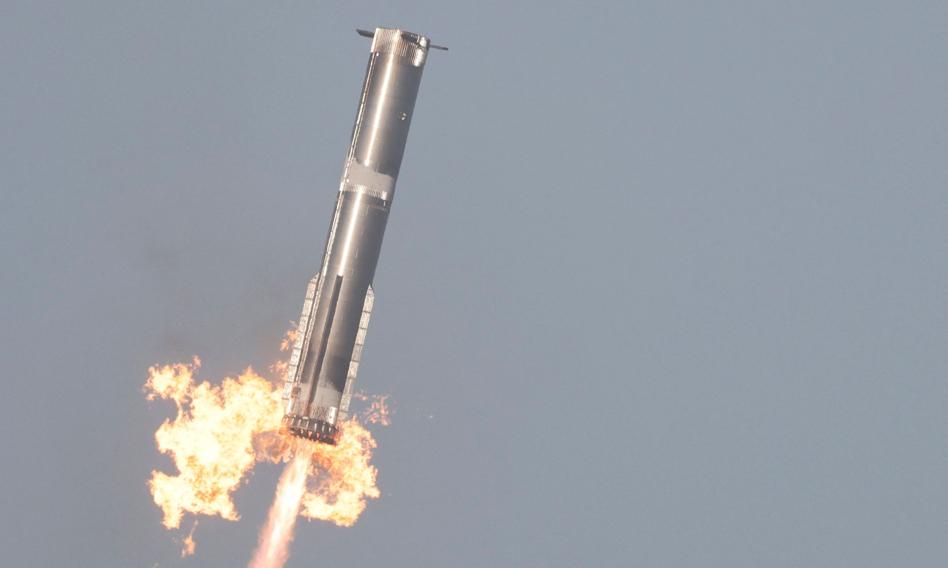
During the seventh test flight on January 16, the upper stage of the Starship/Super Heavy launch system exploded. As SapceX, owned by Elon Musk, reported at the time, Ship 33 stopped sending data at an altitude of about 146 km. The cause of the explosion was a fuel leak. Photos of the fiery shower of space debris circulated around the world's media and social media platforms.
Fragments of Ship 33 fell, among others. to the Turks and Caicos Islands, a British dependent territory in Central America, in the Bahamas archipelago.
According to documents obtained by “WSJ”, three planes – two operated by JetBlue and Iberia Airlines and one private jet – received information from air traffic controllers that they were in a flight danger zone, which resulted in the explosion of the Starship. According to the FAA, there were a total of approximately 450 people on board of all three machines.
“Air traffic controllers tried to keep planes away from debris areas, but this increased their workload and led to a potentially extreme safety hazard, according to an FAA report from the New York Air Traffic Control Center. After the explosion, at least two planes flew too close to each other, requiring controller intervention to avoid a collision,” we read in WSJ.
The FAA report also shows that SpaceX did not immediately inform the FAA about the explosion via its official hotline. “According to FAA documents, the no-fly zones were activated four minutes after the Starship spacecraft stopped providing data on the test flight. SpaceX confirmed to the agency that the spacecraft disintegrated 15 minutes later,” the American newspaper reported.
According to the documents, air traffic controllers in Miami, Florida, first heard about the explosion from plane pilots who saw rocket debris falling.
The editorial team noted that a missile fragment hitting an aircraft in flight could have catastrophic consequences, including serious damage to the aircraft and death of passengers.
SapceX refused to comment to the “WSJ” editorial team. (PAP)
mzb/ mal/