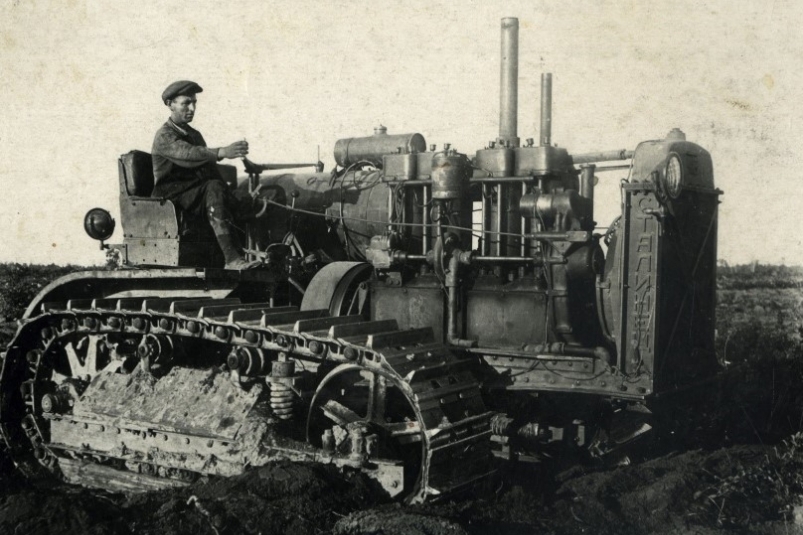
Stakhanovite Elya Eigel, Valdgeim collective farm
Photo: Heritage JAO
December 21, 1934
Based on the resolution of the plenum of the regional executive committee of the JAO on December 21, 1934, a planning commission of the executive committee of the Council of Workers, Peasants and Red Army Deputies of the Jewish Autonomous Region was formed.

The commission carried out planning of the national economy and socio-cultural construction in the JAO, monitored the implementation of plans, rational placement, development and specialization of enterprises, organizations and institutions of regional subordination, supervised the activities of city and district planning commissions, and was subordinate to the planning commission of the Khabarovsk Regional Executive Committee and the regional executive committee of the JAO.
December 21, 1935
The newspaper “Birobidzhan Star” (12+) on December 21, 1935 covered on its pages the second Plenum of the regional committee of the All-Union Communist Party of Bolsheviks of the Jewish Autonomous Region. At the plenum, the main issue was the Stakhanov movement in the Jewish Autonomous Region. Presentations were made from the garment factory, Sutar mines, grain farm and other enterprises in the region.
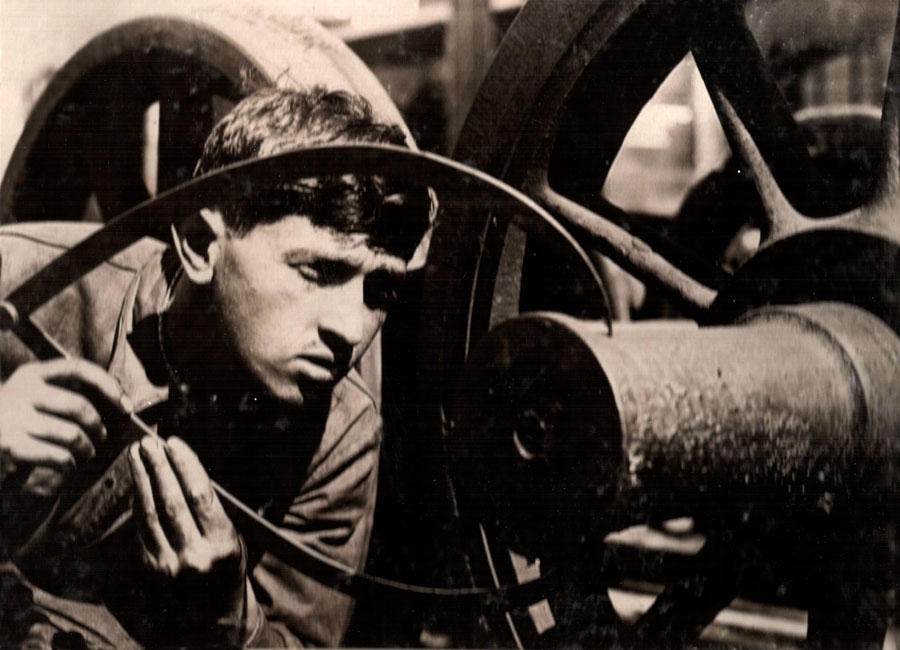
Arn Tokar is a drummer at the Obluchye depot. Photo: Heritage JAO
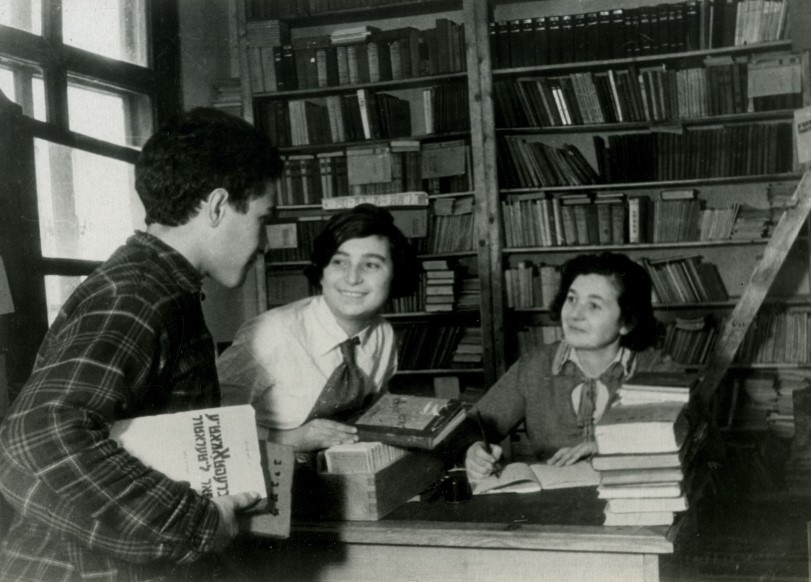
In the library of the Pedagogical College, 1937. Photo: Heritage of the Jewish Autonomous Region
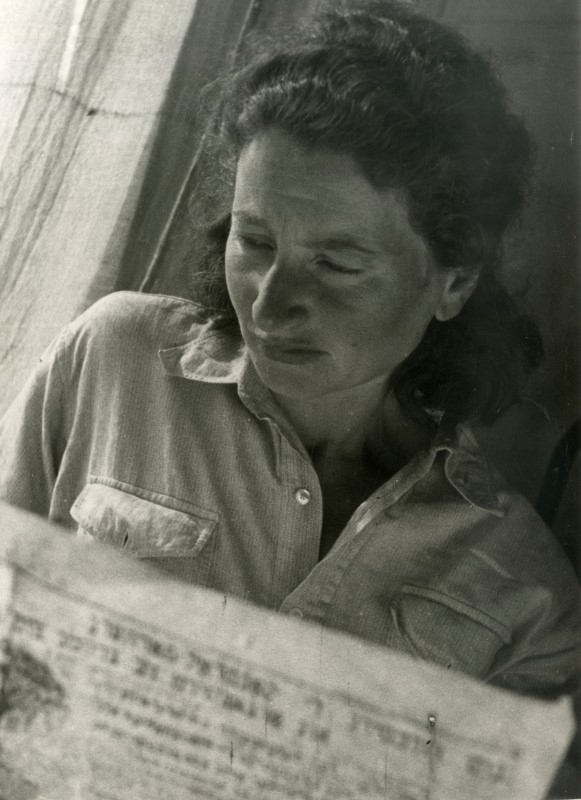
Stakhanovite Nina Sheinfeld. Social town “Ikor”. Photo: Heritage JAO
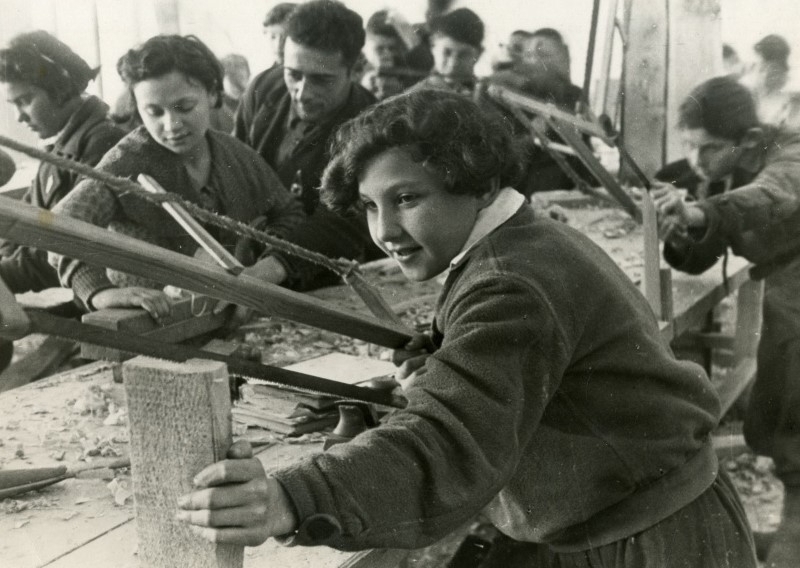
In the carpentry workshop of Jewish school No. 2. 1937. Photo: Heritage of the Jewish Autonomous Region
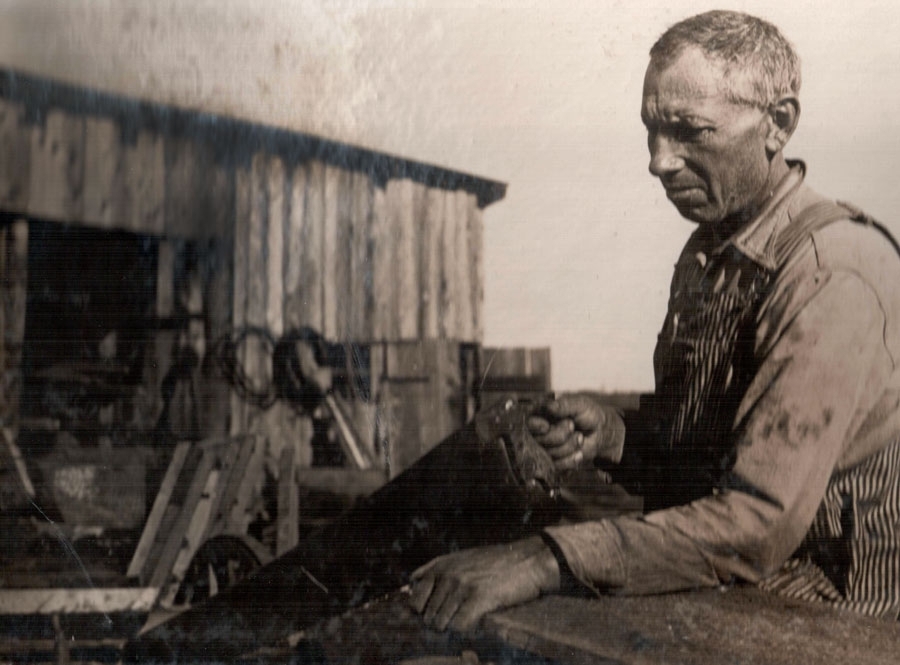
Koval Abram, drummer of the IKOR collective farm, immigrant from the USA. Photo: Heritage JAO
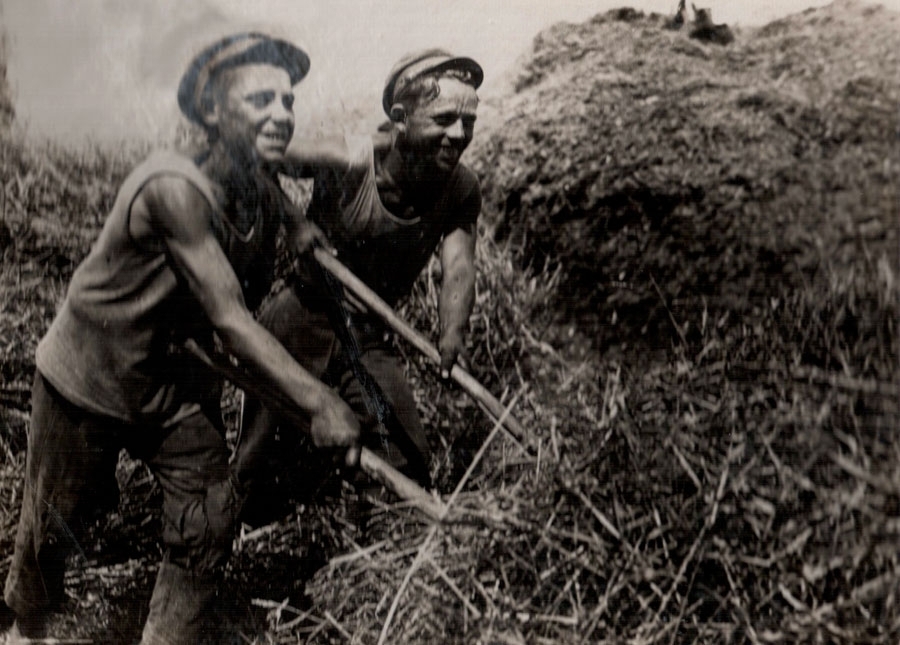
Motya Kogan and Boris Medinsky are Waldheim's drummers. Photo: Heritage JAO
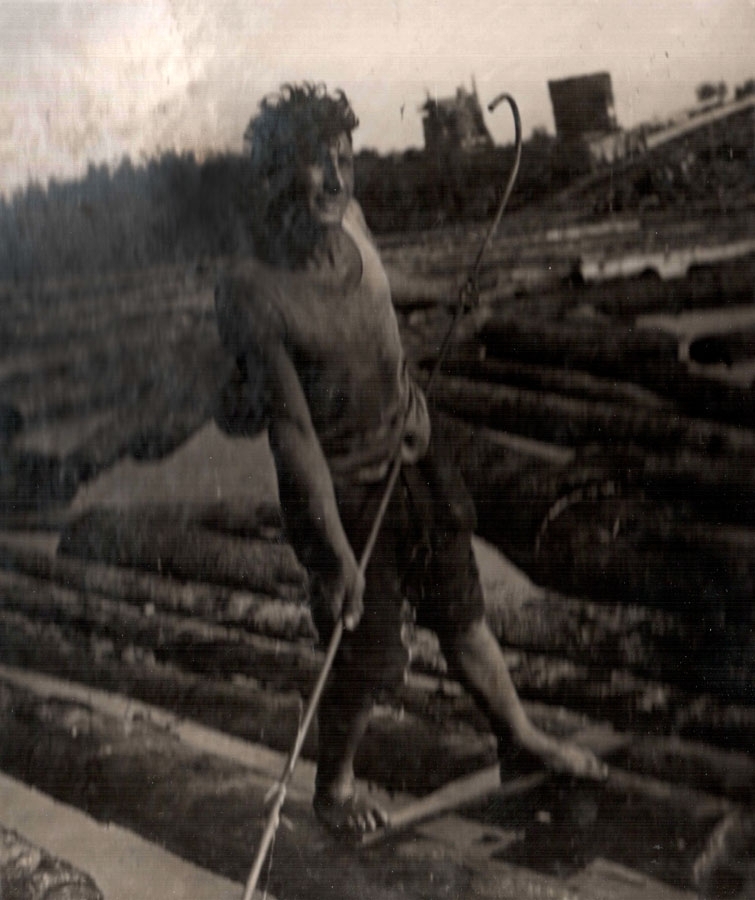
Misha Bromberg, drummer of the IKOR timber rafting company. Photo: Heritage JAO
The director of the Sutara mine management, Myasnikov, spoke meaningfully and interestingly. From his report it was clear how the Stakhanovites of gold mining grew up and were educated: “strict discipline, selfless attitude to work, long working hours – these qualities led the mines to fulfill the 1935 plan in 10 months.”
Also in the speech of Comrade. Kushnira from the Regional Trade Council showed how far trade union workers are from the Stakhanov movement.
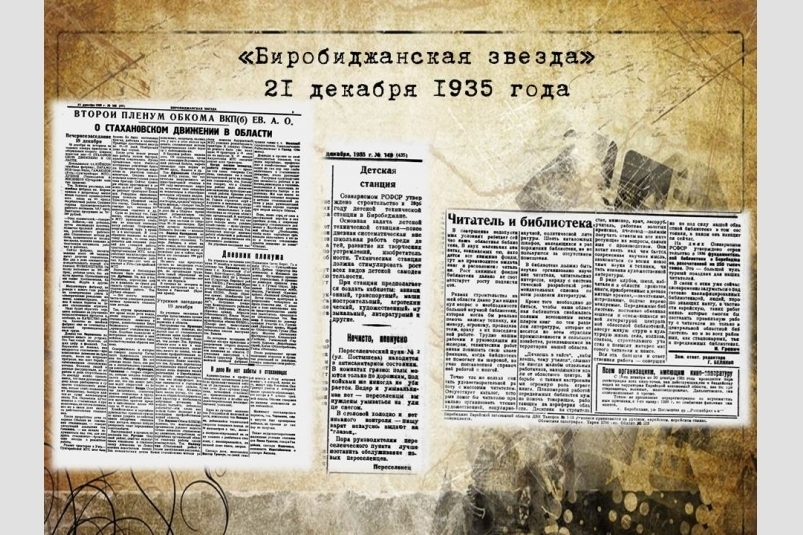
1935 Photo: Photo: Regional Library
The same newspaper wrote that the Council of People's Commissars of the RSFSR approved the construction of a children's technical station in Birobidzhan in 1936.
“The main task of the children’s technical station is a new daytime systematic extracurricular work among children, the development of their creative aspirations and ingenuity. The technical station should stimulate the growth of all types of children’s amateur activities. It is planned to create classrooms at the station: aviation, transport, mechanical engineering, agrotechnical, art, music, literature and others.”
Next posted article “Reader and library”which talks about the need to build a large scientific library, “which could really help our technician, engineer, agronomist, teacher, doctor in their daily work. It is difficult for our workers and management engineers and technical workers to improve their skills when the library does not help them with extensive, scientifically presented reference work with the book. In the same way, working with the mass reader cannot be considered satisfactory. There is no catalog that would help the reader to properly organize the reading of fiction, popular science, political literature. In addition, it is necessary to achieve, so that our regional library is supplied with a complete all-Union copy of books on those sections of literature that relate to all branches of industry and agriculture developing in our region. The systematic work of mobile libraries needs to help comrades working on the periphery of the region.
Recently the Council of People's Commissars of the RSFSR the construction of a fundamental library in Birobidzhan, designed for 250 thousand volumes, was approved in 1936. This is a great cultural holiday for our readers.
In this regard, it is now time to think about training qualified librarians, people who know books well, in particular Jewish books, such workers who could carry out proper work not only in the central regional library, but also in all regional, both stationary and mobile libraries.”
December 21, 1942
Members of the agricultural artel “Waldheim”, supporting the initiative of collective farmers of the Tambov region, addressed an open letter to agricultural workers of the Khabarovsk Territory about fundraising for the construction of combat vehicles. Waldheim residents contributed 250 thousand rubles in cash for the construction of a squadron of “Jewish Collective Farmer” aircraft. The Jewish Collective Farmer aircraft squadron became part of the 21st Long-Range Bomber Regiment. She took part in the battles for Crimea, Minsk, Brest, Budapest, and Berlin. The 21st Regiment was awarded the Order of the Red Banner and was given the rank of Guards.
December 21, 1942
Collective farmers of the village of Valdgeim on December 21, 1942, in a telegram addressed to the secretary of the Khabarovsk regional party committee, reported the following:
“We decided to give our savings to the construction of combat aircraft: Tsyb – 15 thousand rubles, Gefen – 15, Shevts – 11, Wolfson – 12. Let the collective farmers and collective farmers of the Khabarovsk Territory follow our example! Let's give our heroic Red Army, which successfully crushes the Nazi bandits, more aircraft in order to quickly clear our native land from the German invaders!”
December 21, 1953
The Bureau of the Regional Committee of the CPSU discussed the issue of the state of party education in the Birobidzhan city party organization. It is noted that in the city party organization in the current academic year, 63 basic-type circles for studying the history of the CPSU and 22 advanced ones, 17 political schools, four circles for the study of political economy, five for philosophy, and three theoretical seminars have been created. The quality of propagandists has improved; more than half have higher or incomplete higher education. Five permanent seminars have been created for them.
The resolution indicates the need to increase the ideological and theoretical level of classes, improve the work of the evening university of Marxism-Leninism, generalize and disseminate the positive experience of the best leaders of party school circles.