
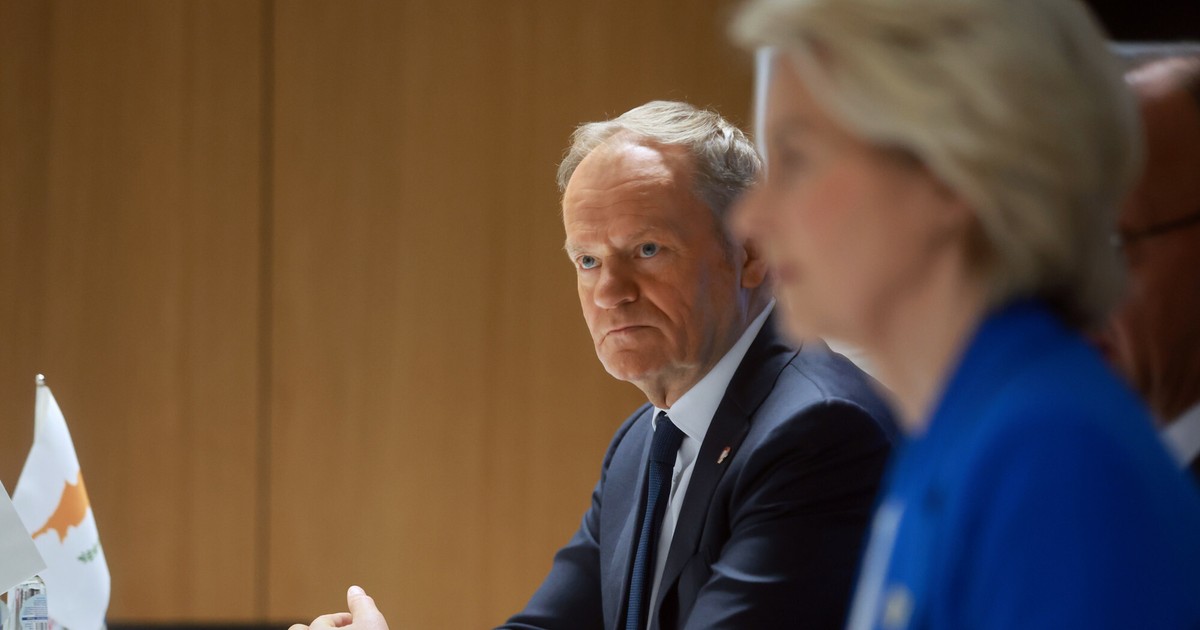
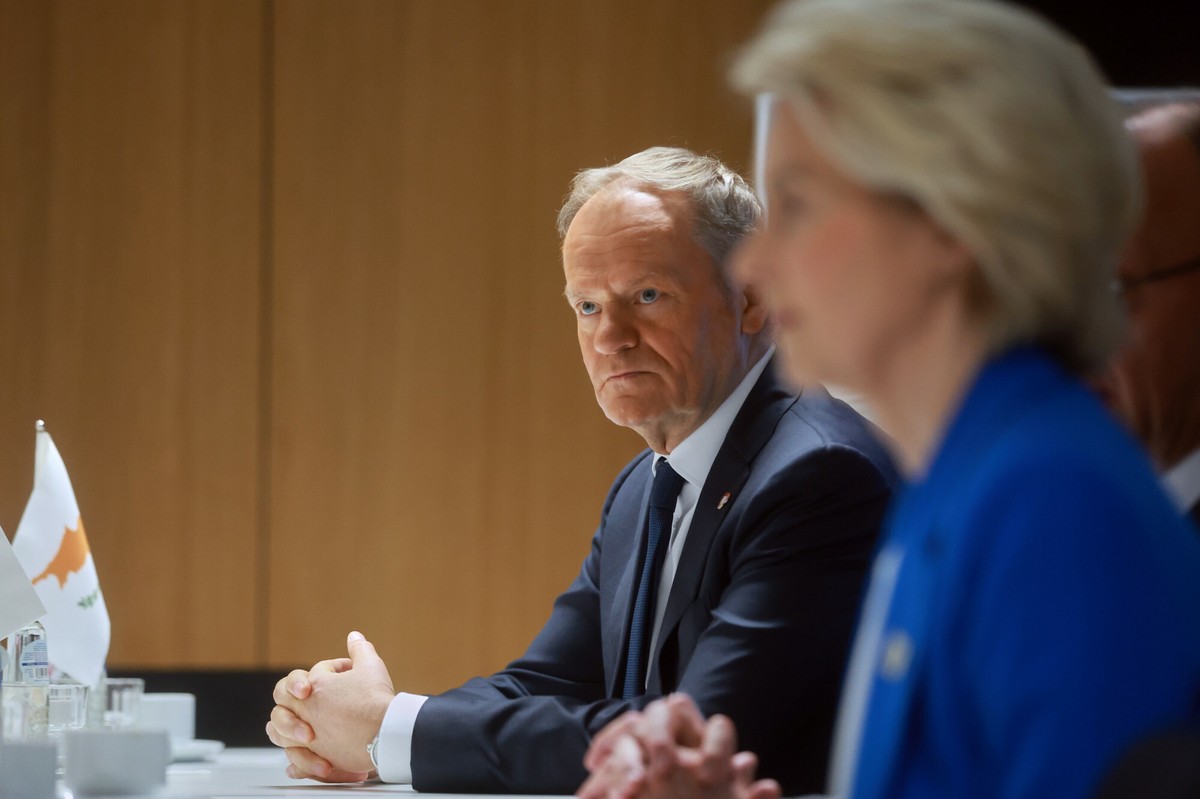
As Bloomberg describes, a loan will be financed from common EU debt, raised on capital markets and secured by the EU budget. Thus, Community leaders abandoned their earlier idea of using frozen Russian assets on European territory.
The rest of the article below the video:
— We delivered what we promised to Ukraine – said French President Emmanuel Macron after the summit. As he emphasized, failure to reach an agreement would be a “disaster”.
Bloomberg emphasizes that Ukraine will not have to repay the loan until Moscow pays it war reparations. Meanwhile, frozen Russian assets will remain in Europe, which EU leaders say increases pressure on the Kremlin.
Time pressure and risk of division
The decision was made in an atmosphere of mounting pressure, especially in the face of the United States limiting its financial support for Ukraine. Washington's pressure on Kiev to consider making concessions in peace talks has raised concerns among European leaders. They fear that lack of stability in Ukraine may threaten the entire continent.
In recent months, many EU leaders have proposed its use 210 billion euros of frozen Russian assets as the best financial solution. However, Belgium, where most of these funds are located, was strongly opposed to this idea, fearing retaliation from Moscow and potential lawsuits.
Zelensky: Russia must pay for the destruction
During the summit in Brussels, Ukrainian President Volodymyr Zelensky emphasized that using Russian funds would be the “most appropriate” solution. — Russia must understand that it will have to pay reparations for the destruction of our country, Zelensky said.
The final agreement assumes that Ukraine will repay the loan only if it receives reparations from Russia. Until then, the frozen assets will remain in Europe, as confirmed by the President of the European Commission, Ursula von der Leyen.
— This is a pragmatic and good solution that achieves the same goals as the previous plan, but is less complicated, said German Chancellor Friedrich Merz after the talks.
Belgium's resistance and Moscow's threats
Belgium, which for months had opposed the use of Russian assets, considered the summit's outcome a success. Prime Minister Bart De Wever assured that chaos and divisions in the Union had been avoided.
Meanwhile, Russia has intensified its actions against the EU's plans. Last week, Russia's central bank filed a lawsuit in Moscow demanding 18.2 trillion rubles from Euroclear, the Belgian custodian of most of the frozen assets. On Thursday, the Kremlin warned that it may seek compensation in national courts from European financial institutions if the EU decides to use these measures.
The unity of Europe is in question
The agreement reached in Brussels also takes into account the concerns of countries such as the Czech Republic, Hungary and Slovakia, which were skeptical about further financing of Ukraine. It was agreed that guarantees from the EU budget would not affect their financial obligations.
Still, the decision will not escape criticism. However, as Polish Prime Minister Donald Tusk noted, the situation required quick action. — We have a simple choice: money today or blood tomorrow. And I'm not just talking about Ukraine, I'm talking about the whole of Europe – Tusk warned before the start of the summit.


