As news began to trickle in about the recent cyclone in Sri Lanka, something caught my attention – there was something missing from the reports. Cyclone Ditwah killed hundreds of people, destroying rice fields and railway lines across much of the island, and the Sri Lankan government remains desperate to secure international aid.
Following the reports carefully, I remembered the times when I was one of the first people in the US administration to receive disaster alerts — regardless of the time of day. This was when I served as head of the Asia Office at the United States Agency for International Development (USAID) and later as head of the Office of Disaster Assistance.
I recalled the Indian Ocean earthquake and tsunami that occurred the day after Christmas in 2004 and to which Cyclone Ditwah was compared.
At that time The United States mobilized all its resourcesboth military and civilian, to help the four countries that requested support. The nuclear-powered aircraft carrier USS Abraham Lincoln sailed to Indonesia and stopped in fog above the epicenter of the Aceh earthquake. The disaster disabled the use of land-based airfields, and the Gray Angel – as survivors called the huge ship – provided a desperately needed deck for helicopters to load lifesaving supplies and deliver them to villages cut off from the world.
Both USAID and its funded humanitarian organizations were on board. Civilians who knew what was needed were directing the military operation, and Top Guns pilots whose F-16s were parked at the other end were loading bags of rice and clean drinking water into helicopters, asking me how they could join USAID.
They said that They have never been so proud to be Americans.
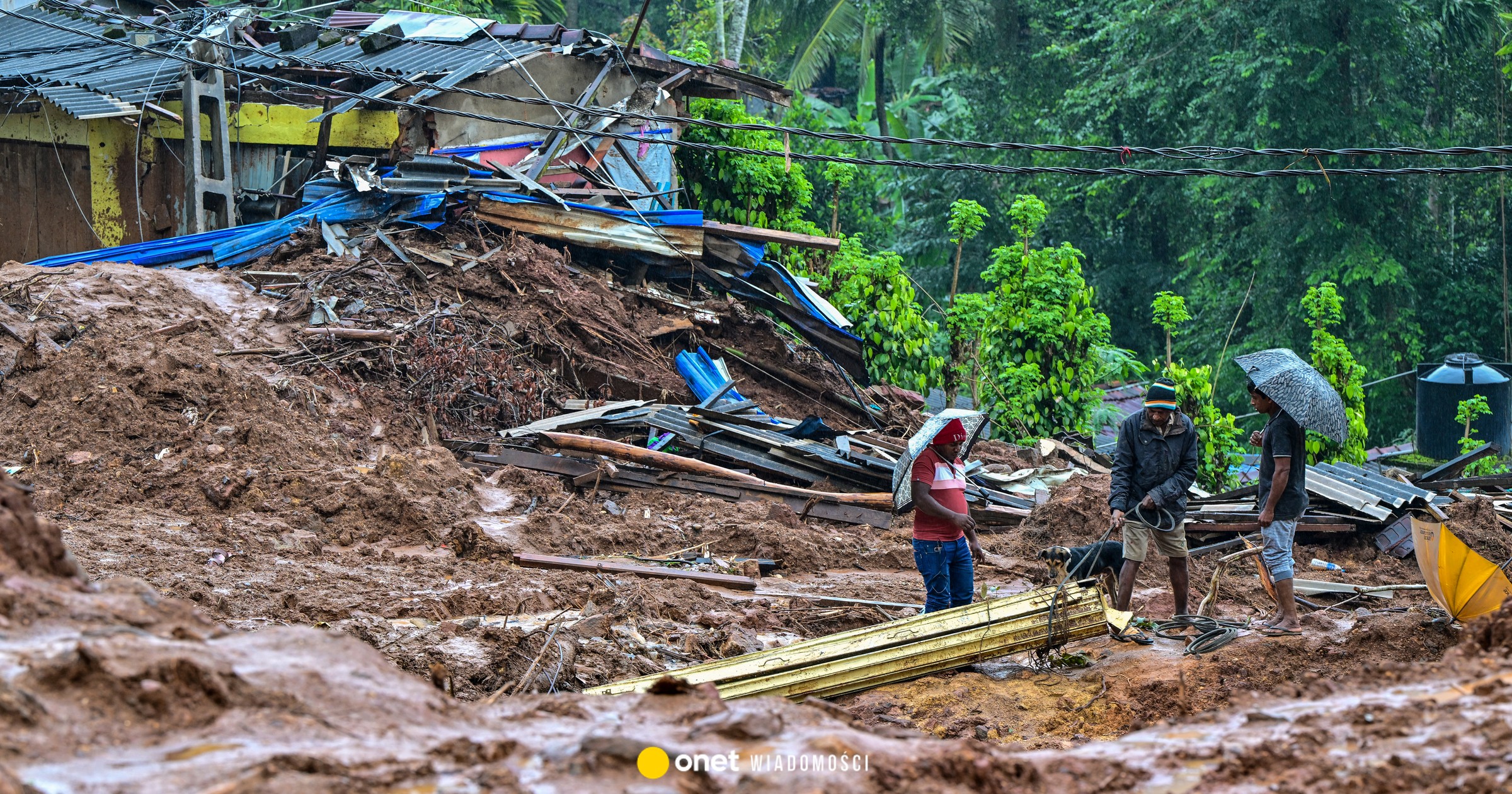
Effects of a cyclone in Sri Lanka, December 4, 2025.Ishara S.KODIKARA / AFP
American strength
I thought back to 2006, when I received the Service to America Medal — called SAMMIES — for helping lead the U.S. response to one of the greatest natural disasters in history. I thought back to the times when we led the way.
Then I realized what was missing from the news reports about the cyclone in Sri Lanka: there was nothing about the American response. Because the US did not respond.
The United States' response to the 2004 disaster was extraordinary. Thanks to the generous support of Congress, USAID's work was unprecedented. When I saw American aid organizations directing the helicopters on board and our military following their orders, I was impressed by what we could achieve when we worked together.
Yet these dedicated, courageous aid workers – both Indonesian and American – are now out of work as our foreign aid program has been cut by more than 80% this year.
The aid is bipartisan
In 2004, then-President George W. Bush recognized the strategic importance of providing as much aid as possible to a region of key importance to U.S. foreign policy. He directed USAID to make every effort. He asked his father, former President George H. W. Bush, and former President Bill Clinton to they put aside their political differences and started cooperation to increase public awareness and raise private funds.
I then traveled with two former presidents to Indonesia, Thailand, Sri Lanka and the Maldives, and the message was clear: The United States does not let politics get in the way when natural disasters strike. The aid is bipartisan. The help is American.
We took them to USAID projects near the country's devastated eastern coast, where our American and Sri Lankan workers proudly showed us how we were helping orphaned children in a camp under the palm trees. My team cheered when they saw Bush proudly wearing his USAID hat, and Clinton reminded everyone that the aid we provided came from the Americans. Thanks to USAID's expertise and compassion, these children are in good hands.
This team is now out of work.
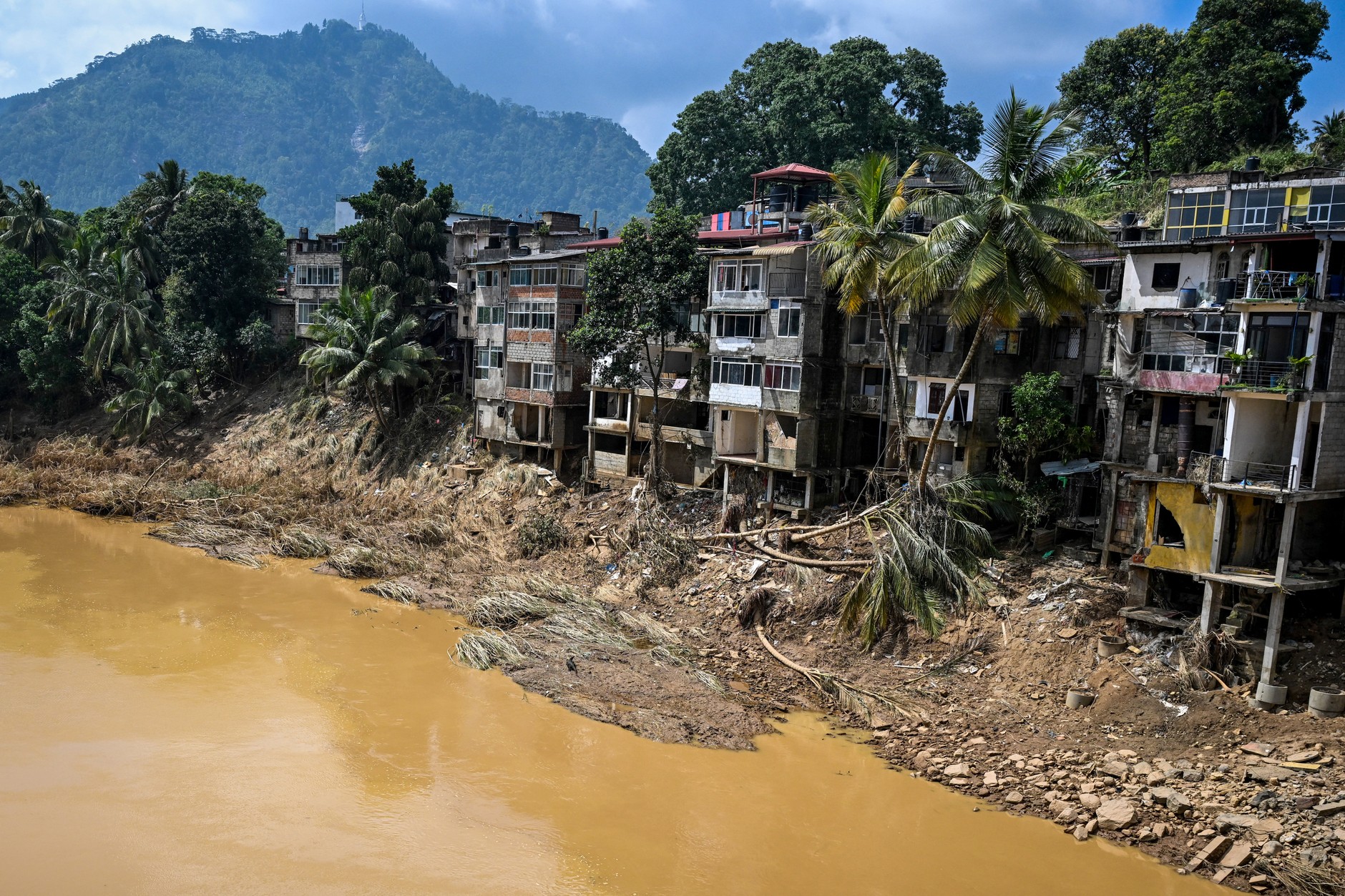
Destruction in Sri Lanka, December 4, 2025.Ishara S.KODIKARA / AFP
The US doesn't do much
I finally stopped reminiscing and read more about the cyclone in Sri Lanka. The damage to farms and infrastructure is greater than what we saw two decades ago. But the United States does nothing. This is what is missing from the articles.
We were always there before. You could count on us. No matter who sat in the Oval Office, no matter which party had the majority in Congress, you could count on the USA. This is no longer the case.
Currently our foreign policy appears to be purely transactional. I ask: what will we get from this? This is bad luck for Sri Lanka – the country does not have any of the natural resources we need, such as oil or critical minerals. Clothing and tea are not strategic enough. But wait – if the Sri Lankan government needs our help, maybe they could create a new peace prize and offer it to our president.
I’m Ashley Davis as an editor, I’m committed to upholding the highest standards of integrity and accuracy in every piece we publish. My work is driven by curiosity, a passion for truth, and a belief that journalism plays a crucial role in shaping public discourse. I strive to tell stories that not only inform but also inspire action and conversation.