Brazilian President Luiz Inacio Lula da Silva agreed to the request of Italian Prime Minister Giorgia Meloni to postpone the signing of the agreement. She needs time to reassure farmers in her country that they will not be pushed out of the market by cheaper poultry and beefas von der Leyen reportedly told the crowd.
Why was the Mercosur agreement postponed?
Who asked for the signing of the contract to be postponed?
What concerns does Giorgia Meloni have about the deal?
What are the consequences of further delays in signing the contract?
Meloni's sudden change of position just before the signing of the agreement thwarted the earlier assumption of concluding an agreement with the Mercosur countries, to which they belong, this week. Brazil, Argentina, Uruguay and Paraguay.
Meloni asked the Brazilian president for more time to express support for an agreement that has been negotiated for 25 yearsto secure the support of domestic public opinion for this agreement.
Germany wants guarantees
However, countries supporting Mercosur, led by Germany, are pressing for a guarantee that a new date for signing the agreement will be set. — The date would be set for mid-January if the signing of the agreement were postponed until 2026, an EU official told POLITICO.
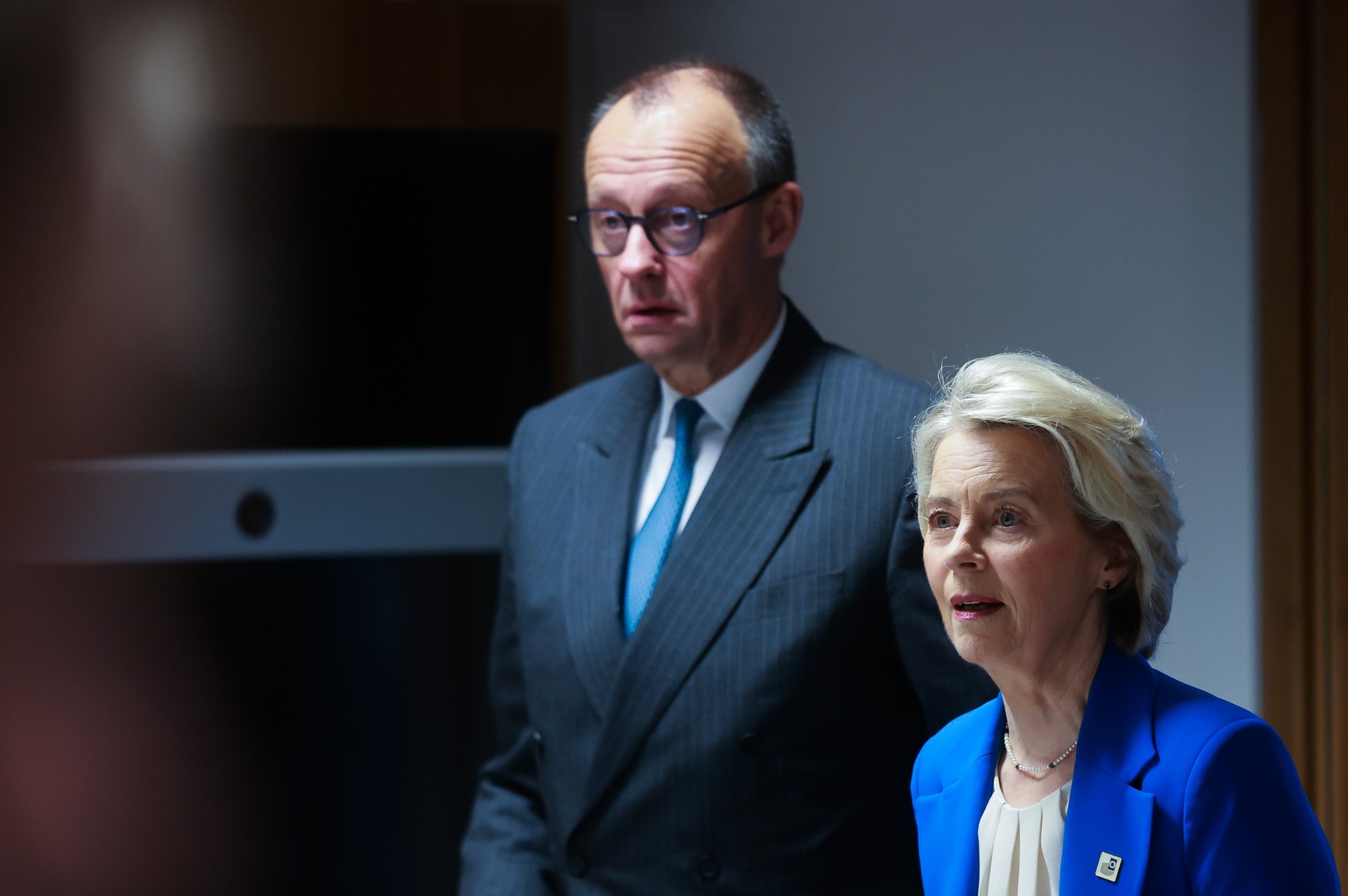
Friedrich Merz, Chancellor of Germany, and Ursula von der Leyen, President of the European Commission, at an EU summit. Brussels, 18 December 2025PAP/EPA/OLIVIER HOSLET / POOL
Several countries supporting the deal, led by Germany, have warned in recent days that further delays could ultimately derail the trade deal. They fear that further delays could strengthen the opposition in the European Parliament or complicate next steps when Paraguay, which is skeptical about the deal, takes over the presidency of the Mercosur bloc from Brazil, which currently holds the presidency, at the end of the year.
To ease the concerns of farmers across the bloc, EU institutions rushed to approve additional text on Wednesday evening, which again would introduce tariffs if poultry and beef imports from Latin America destabilized European markets.