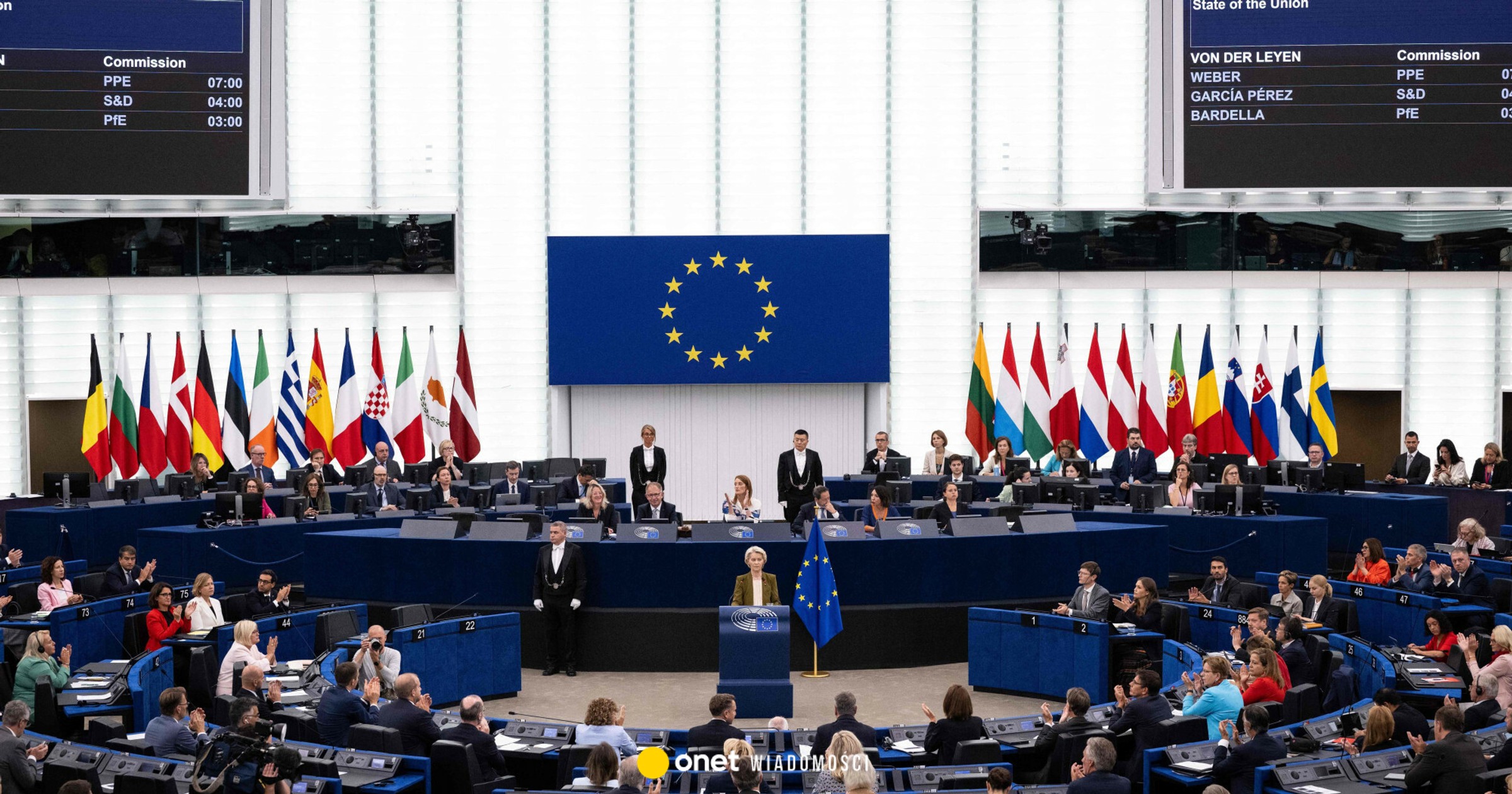
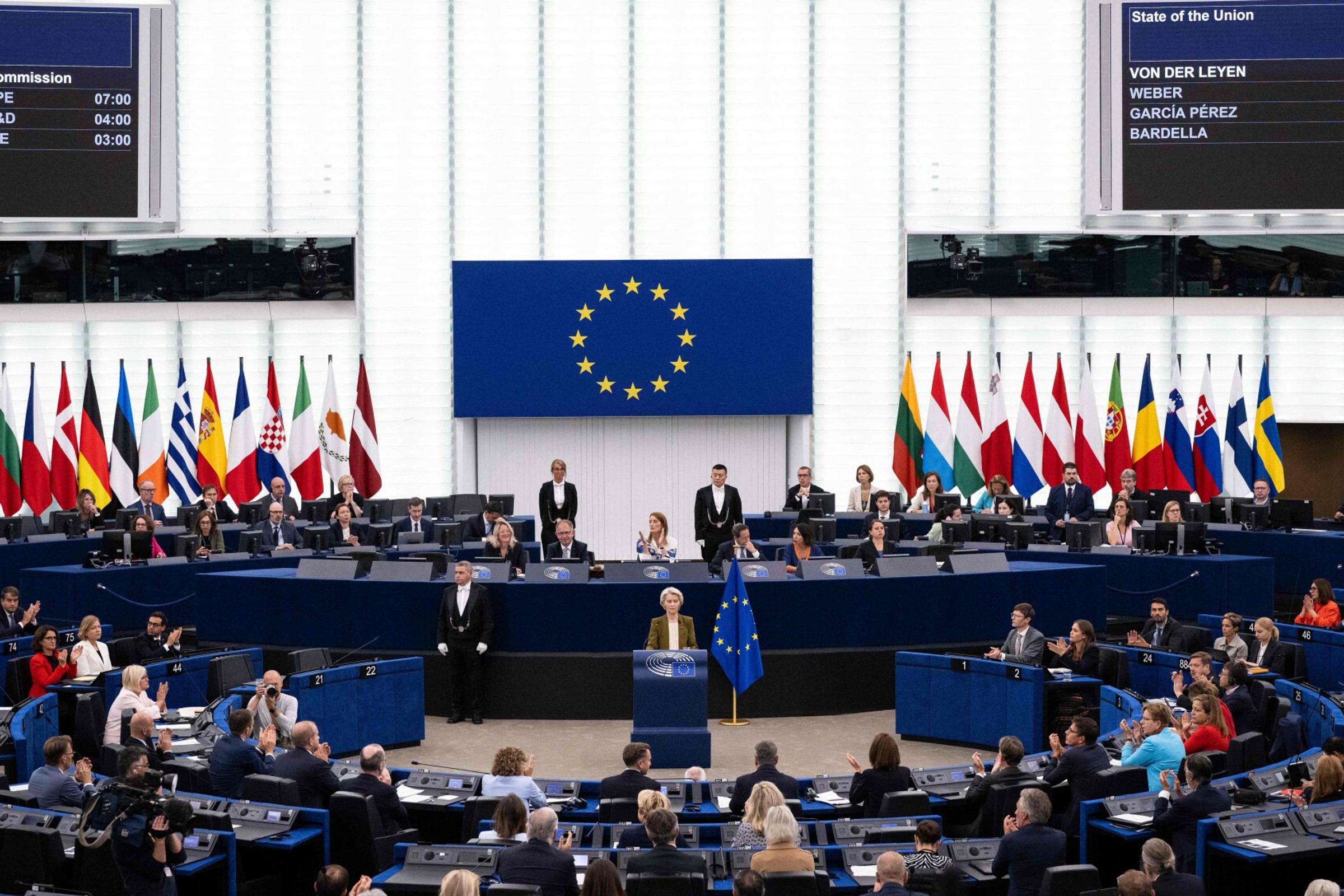
On Wednesday, 500 MEPs voted in favor of a total ban on the import of Russian gas, 120 were against and 32 did not vote. Thus, the EP officially approved the agreement negotiated at the beginning of December between the Danish Presidency of the EU Council on behalf of the Member States and representatives of the European Parliament.
The regulation, which will enter into force at the beginning of 2026, assumes the gradual withdrawal of the EU from imports of liquefied gas. Russian LNG is to be completely phased out by the end of December 2026. On September 30, 2027, a ban on the import of pipeline gas will come into force. Slovakia and Hungary, which opposed the regulation, requested an extension of this period.
The article continues below the video
What decisions were made regarding gas imports from Russia?
When will the new regulation come into force?
What penalties does the new regulation introduce?
What about the ban on importing crude oil from Russia?
“Every euro finances murders in Ukraine”
It was also agreed that if some Member States are unable to meet the required gas storage standards, the import ban will apply to them only from November 1, 2027.
The new regulations also establish penalties that Member States will impose on operators for violations of the regulations. The vote was preceded – on Tuesday – by a debate in the European Parliament.
— This regulation is not just an energy or trade issue, it is a political, economic and moral decision. Since the beginning of Russia's full-scale war against Ukraine, the EU has paid over €216 billion for Russian fossil fuels. We still pay about 40 million euros a day, and each of these euros finances the murders in Ukraine, said Latvian MEP Inese Vaidere (EPP).
Finnish Green Party Ville Niinisto described the EU's withdrawal from Russian gas as a “historic achievement”. — Russia will never again use fossil fuel exports as a weapon, he said.
PiS MP Beata Szydło warned that abandoning Russian gas cannot be a temporary decision.
During negotiations with the Danish presidency of the EU Council, the EP also demanded a ban on the import of Russian crude oil. The European Commission has committed to present regulations in this area at the beginning of 2026 so that an effective ban can enter into force as soon as possible and no later than the end of 2027.
The new rules must now be officially approved by the Council of the EU, i.e. the Member States, and then published in the Official Journal of the EU.