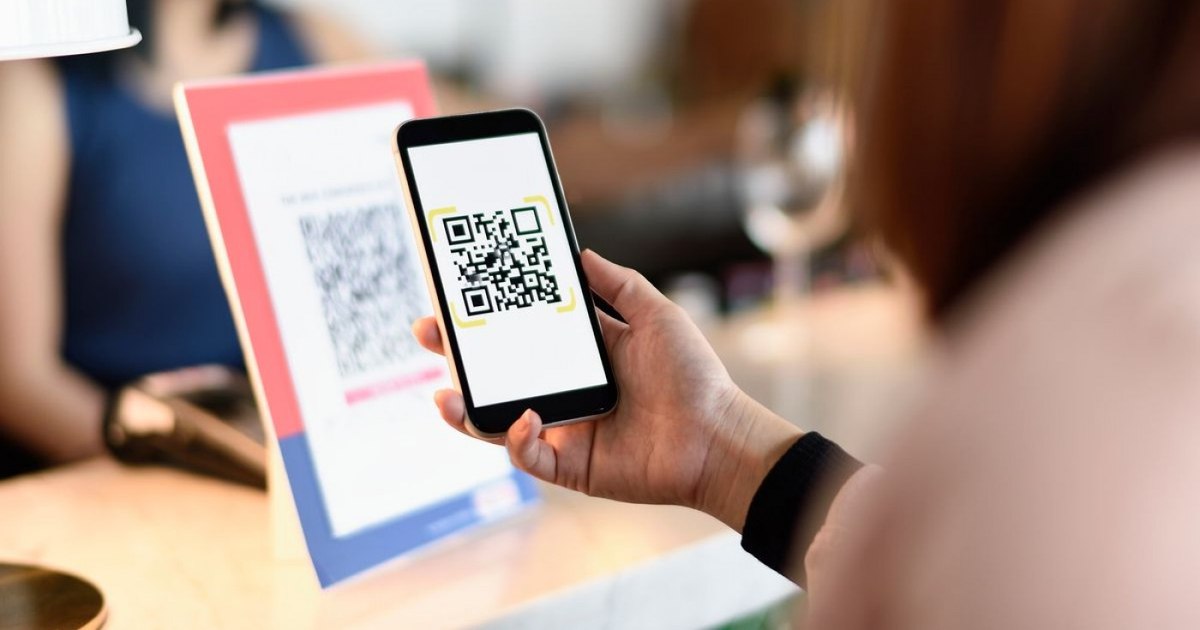
If you have a young man up to 30 years old around, maybe you should give up the idea of giving him the classic wallet as a gift, because he won't use it. Young people treat cash like a joke, using it only for small indulgences, as if it had no value, writes the international press.
Young people under 30 treat cash like a joke. Archive photo
About 4.4 billion people, or roughly half the world's population, use digital wallets, and that number is expected to grow 35 percent by 2030, according to technology strategy firm Juniper Research. Adults 24 and younger are the most likely to pay with their phones, using them to make 45 percent of purchases, according to a 2025 report by the Federal Reserve (across all age groups, cell phones were used for 23 percent of payments). Cash now accounts for just 14% of all purchases and is more likely to be used by people over the age of 55 or from households that earned less than $25,000 a year. A 2024 McKinsey survey found that one in five people in the US and Europe who use digital wallets often go out without a physical wallet, and in the UK only 38% of 18-24-year-olds own a wallet or purse that they consider essential in their daily lives, according to Link Scheme, a non-profit organization working to provide access to cash in the UK. People are ditching cash more and more, with 30 percent of Americans saying they haven't withdrawn cash from an ATM in the past month, and 17 percent saying it's been more than six months, according to a LendingTree survey.
This change alters the way they perceive the money they spend. For older generations, cash feels real; for the younger ones, it might as well be Monopoly money. Hailey Moore, a 26-year-old from Los Angeles, said she hasn't had a wallet in more than a decade and rarely carries cash. If he gets some money, maybe in a birthday card, he thinks it's fun money: “If I have cash on me, it's money that doesn't exist” she says. And they disappear quickly. “I can only use this money to buy myself a little treat.”
For younger buyers, cash has lost its importance
Apple Pay came out 11 years ago, but people were slow to swipe their credit cards on their phones; tapping a phone didn't seem like a better use than swiping a credit card. This largely changed when contactless payments were preferred during the pandemic and Apple Pay became easy to use for online shopping. Now digital payments and cards are becoming more and more priority. The one-cent coins, which cost about two cents each, went out of print in November. Digital IDs are now accepted at more than 250 US airports for domestic flights. More and more daily activities can be done with just a phone. Oura is even looking into ways to make its smart rings work as wallets and keys.
And as digital wallets become more commonly used, people “they trust digital wallet more than cash” says Adam Gray, chief transformation officer at payments technology firm Stax Payments. They're more secure than having a physical wallet full of cash and cards. “We're trying to allow as many merchants and venues as possible to use it because it's better for everyone.”
Historically, people tend to spend more when paying with a credit card than with cash. But that could be changing among Gen Z — a Cash App survey released last month found that 54 percent of Gen Zers say they're more likely to spend cash without thinking. The money that's already left your bank account or gone onto your aunt's card might seem insignificant compared to the ever-increasing numbers on a credit card statement you'll be facing at the end of the month. Moore also tells me she mostly uses her debit card, using a credit card only for big purchases or those where she knows she'll earn points, like at gas stations and grocery stores. Mainly, she wants to build credit and pays off the card early to avoid spending too much of what she has in her bank account.
Shoppers have mixed opinions about using cash over cards. A 2023 study by the University of Notre Dame found that people prefer to use cash for purchases they feel guilty about. But cards can also lead to dopamine rushes—researchers at MIT have found that using credit cards can activate a pleasure-reward sensor in the brain, leading people to become addicted to spending, or at least to loosen spending restrictions. (The researchers behind this 2021 study didn't look at contactless mobile payments, but said the ping that follows a phone purchase could serve as a reminder of the money spent and discourage unwitting card tapping.)
The buy now pay later system makes you spend more
Being the first to use your card on your dinner bill and maximize rewards has become attractive to travelers, but more and more young people are quickly adopting companies like Klarna and Affirm that offer services like “buy now, pay later” . According to a study conducted by JD Power last holiday season, Generation Z used BNPL services more than credit cards. For people using these services, “payment terms are much more reasonable and transparent than credit card payment terms,” says Sean Gelles, senior director of payment information at JD Power. Frances Boyle, a 29-year-old from Seattle, says she has used dating services “buy now, pay later” for clothes. “It's almost a way to justify the purchase, because I'm like, 'I can't spend more than $100 right now. But $20 a month doesn't sound that bad.'
Data from PayPal shows that paying through BNPL can get people to spend 91% more at large businesses and 62% more at small businesses. Half of shoppers say they are more likely to complete a purchase when the split payment option is at checkout. But a simple way to buy small things online can turn into an annoying payment that takes months and can even turn into a big debt down the road.
It may seem convenient to give up money, but a digital wallet can't cover everything.
Tori Khutorna, a 28-year-old living in Prague, says she doesn't have a wallet anymore – she uses a digital wallet and an app that stores her ID. It all started during the quarantine caused by COVID-19, with online purchases. “Once I switched to it, I didn't see any real need to have cash anymore.” But her plan ran into travel problems. Khutorna also says she had to ask a stranger for cash to buy food and then wire the money to him when she was in Ukraine, and a major power outage blocked card payment options in one neighborhood. Once, while in Italy, he couldn't buy a bus ticket because a card payment machine was broken. She was fined for not having a ticket (the toll officer, conveniently, had a device that allowed her to use Apple Pay to pay her fine instantly). “Sometimes, I feel like I'm completely disconnected from reality” without cash, she tells me. When he sees a nice wallet for sale, sometimes she feels drawn to buy it. “Then I think, what for?”