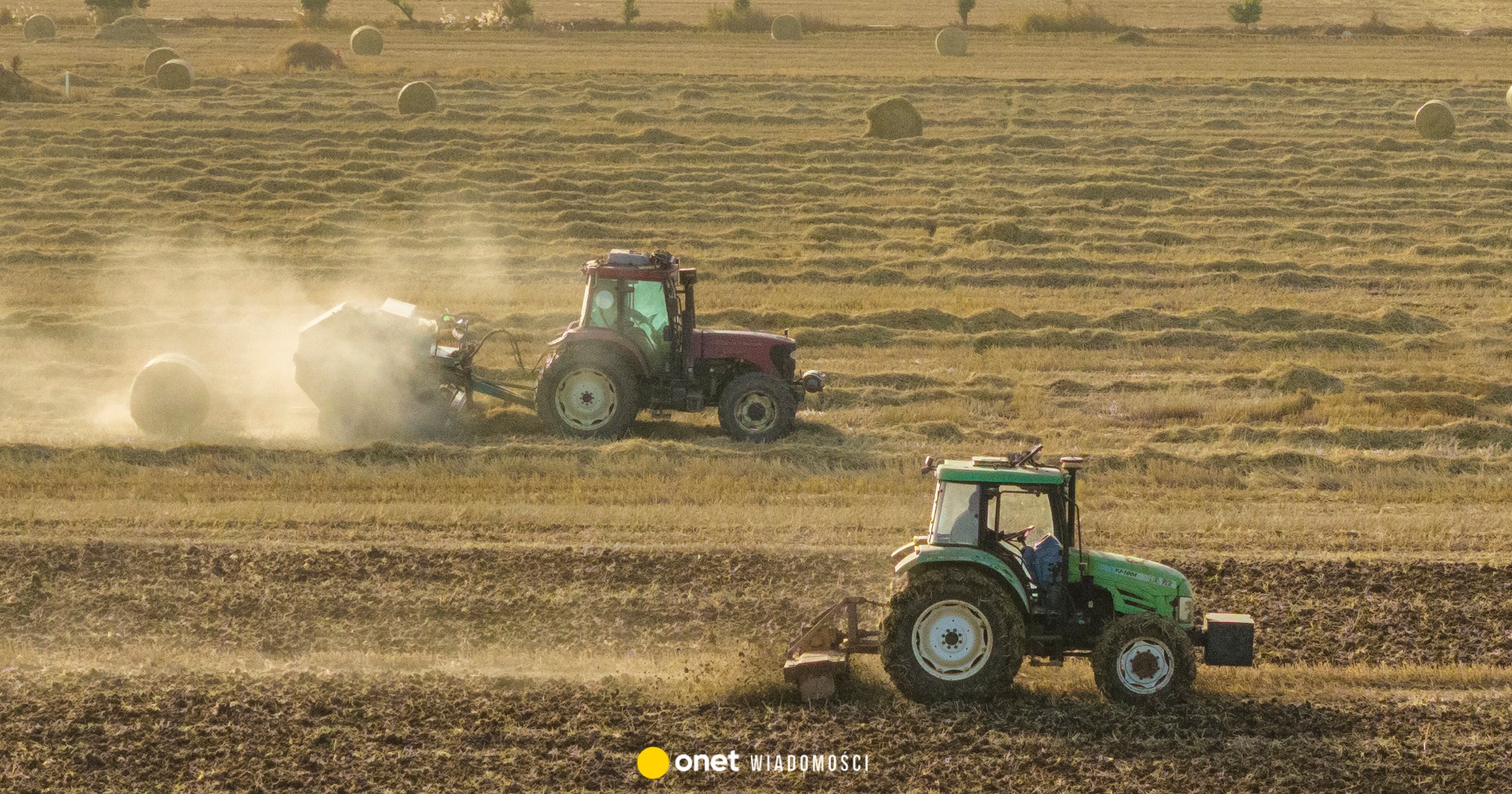
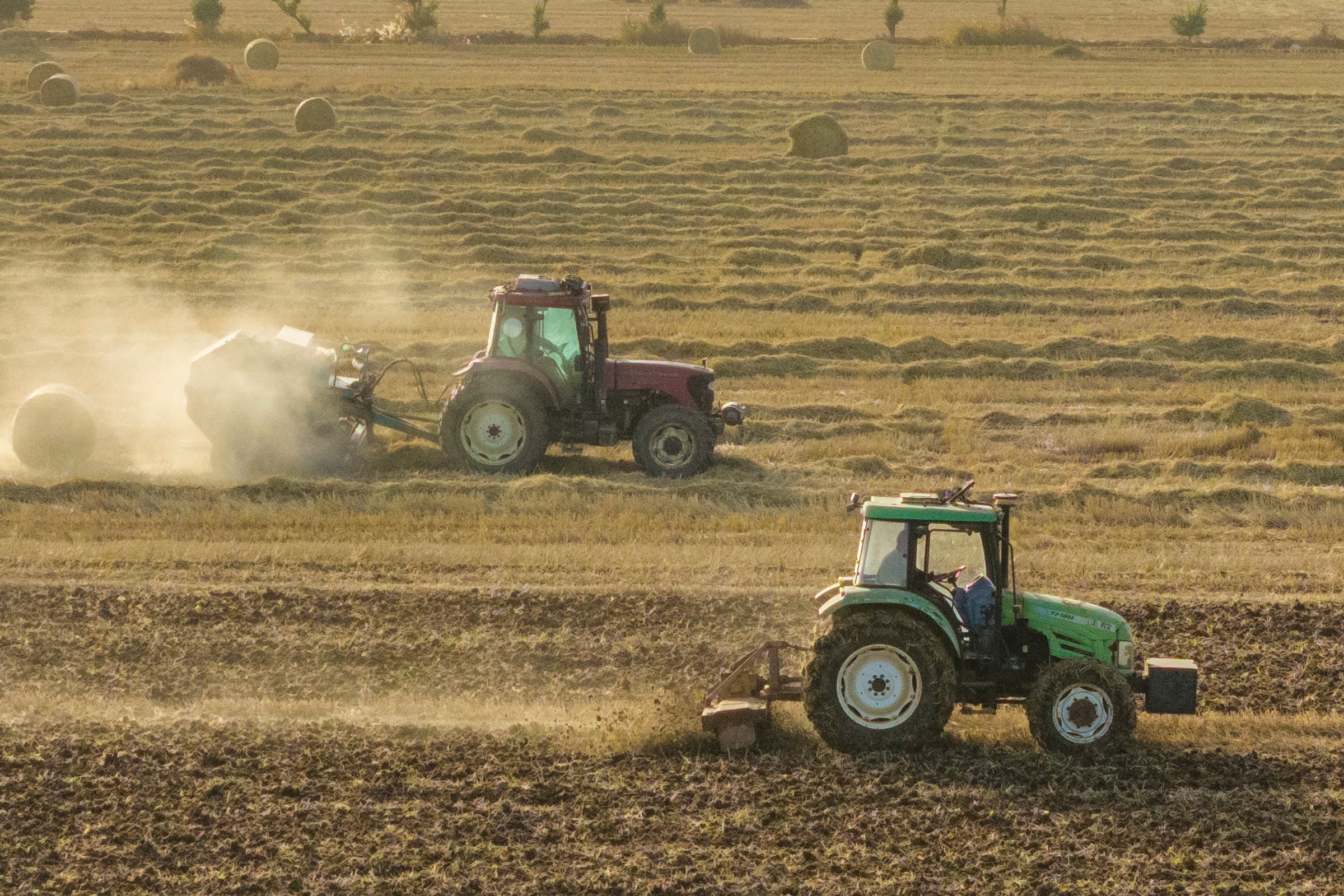
In fields near Buenos Aires, a farmer raises his hands in the air as he watches a record wheat harvest. There is also optimism among traders in Shanghai – baskets full of rice straight from the fields are evidence of the surplus recorded during an exceptional year.
The Food and Agriculture Organization of the United Nations (FAO) has calculated that in 2025, for the first time, more than 3 billion tons of cereals were harvested worldwidemainly due to record harvests of wheat and barley. Records were also recorded in the case of soybean, corn and rice harvests.
Warehouses are fuller than ever and global inventories are at record levels – this a buffer against crises and reducing the risk of price fluctuations that often occur during them. The grain trade is also resistant to various turbulences – adapted routes and appropriate port logistics ensure continuity of flows.
All this refutes fears of a collapse in food production.
The text was created courtesy of “Die Welt”
Increased efficiency
From year to year, new records can be recorded in the size of global harvests. At the same time, agriculture has become much more efficient – over the last 60 years, global food production has tripled, even though the area of arable land has only increased by about 8%.
Yet – according to various forecasts – the world was to plunge into hunger. “The fight to feed all mankind is over,” wrote biology professor Paul R. Ehrlich in the foreword to his 1968 bestseller “Bombshell.” “Hundreds of millions of people will starve to death. Nothing will stop the significant increase in global mortality,” he said. His words were supported by many scientists, people from the media and politics.
When Ehrlich predicted mass famine, there were 3.5 billion people in the world. Currently, there are 8 billion of them. And there have never been fewer hungry people than in the last decade. There are one third more calories per person than 60 years ago. Poor countries now have the same number of calories per person as rich countries did back then – although in some countries food is distributed unfairly for political reasons.
Until the 20th century, food scarcity was a natural part of life affecting most people. Several changes helped overcome this plague. As part of the “green revolution” since the 1960s, scientists have bred new varieties of cereals – more resistant to various external factors. Artificial fertilizers, produced from natural gas and air, and plant protection products have increased crop yields – for example, wheat yields have increased by over 300% since the 1960s. New transport options and means of communication allowed for more efficient food distribution.
Growing prosperity meant that more people could buy enough food, which further stimulated food production. In addition, the spread of democracy has reduced hunger – politically motivated famines are common in non-democratic countries. This doesn't tend to happen in democracies.
This year's record harvest can therefore be largely explained by advances in growing, breeding and management techniques. Thanks to genetic research and breeding, scientists have created more efficient varieties of cereals.
Unused (still) potential
Even in arid areas, modern corn with lower water requirements can provide acceptable yields. Drought-resistant varieties of wheat and rice are being tested in parts of Africa and South Asia, making yields more stable there as well.
In addition, there are improved cultivation methods – fertilizers are applied more precisely, and remote sensing and intelligent irrigation ensure the fields have the right moisture. Modern machines perform work faster and more gently, and crop rotation and plant protection are optimized.
Moreover, market support activities and investments in agriculture have increased around the world. Many countries, from Brazil to China, are easing trade barriers or supporting their farmers with loans and soil improvement programs. Indonesia and Bangladesh are also expanding rice cultivation. Together with higher yields in India and China, this helps explain the world record rice crop in 2025/26.
The climate and weather were also favorable this year – extreme weather conditions did not cause major losses in agriculture. Research shows that global warming has not yet had a major impact on the food supply. Even significant warming is not expected to change this much – FAO scenarios show crop yields continuing to rise in the coming decades, despite climate change and a growing world population.
Continued investment in agricultural research promises further progress. FAO writes of “incredible untapped potential.” The world's supply can be permanently improved through science, smart investments and open markets.