
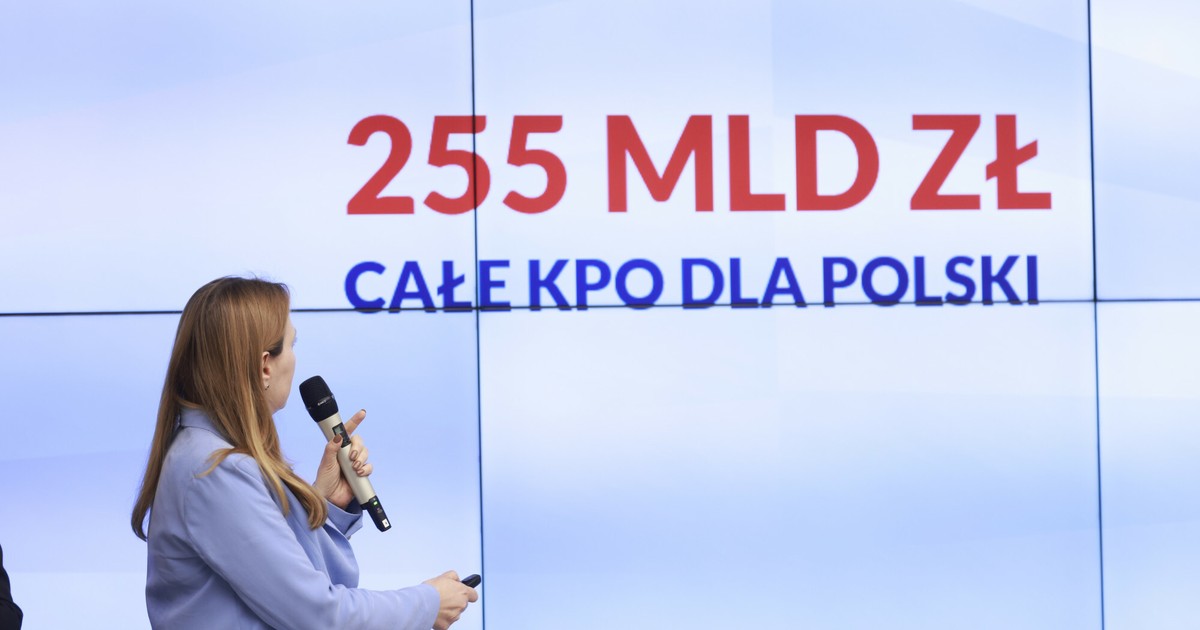
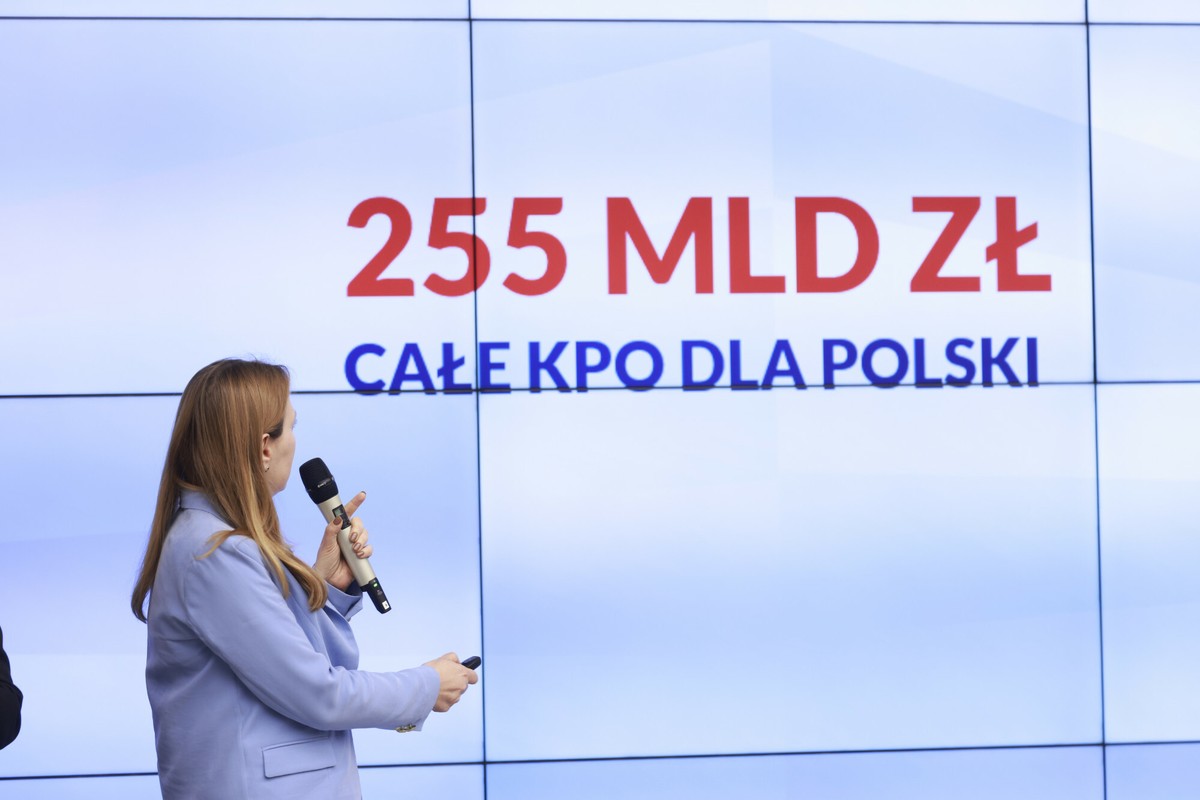
The Polish KPO, updated at the end of September, covers 57 investments and 54 reforms. The total amount of support is approximately PLN 232 billion, of which PLN 107 billion are subsidies and the remaining PLN 124.8 billion are preferential loans.
The rest of the article below the video:
Changes to the plan will enable Poland to apply for the sixth and seventh tranches of payments in December this year, informs the Ministry of Funds.
Plan revision and new priorities
During the revision of the Polish KPO, changes were introduced to 80 objectives, which were justified, among others, by: inflation, lack of demand for some projects and delays resulting from problems with public procurement and legislative processes. The document indicates that some objectives have been modified to implement more effective solutions while reducing administrative burdens. For example, increasing the share of low-emission transport and reducing its negative impact on the environment has become one of the priorities.
Read also: The inspection of KPO subsidies for HoReCa has been extended. Ends next year
Poland also proposed redirecting funds released by the changes to new and existing purposes. New initiatives include a contribution to the development of the EU's IRIS2 satellite communications system, which aims to make Europe independent of external suppliers such as the American Starlink.
Support for key investments
The released funds will also be allocated to existing projects under the KPO. These include investments in the InvestEU program, expansion of sewage treatment and water supply systems in rural areas, development of public e-services, as well as installations of renewable energy sources and energy storage systems implemented by energy communities.
Read also: Billions from KPO went to energy and climate. There were also some mishaps here
The approval of changes to the Polish NWP is part of broader activities of the European Union, which on Friday also accepted revisions of the reconstruction plans of other countries, including Austria, France, Greece and Portugal. This decision highlights the importance of adapting EU plans to changing economic and social conditions.


