It was here in Switzerland that cocoa beans were turned into the chocolate we know today. But more importantly, the conching machine was invented here, the most important device in the chocolate production process. It makes the chocolate smoother, sweeter and creamier.
Read also: One such root can cost as much as a car. Business is booming
What makes chocolate so special?
Today we will see how grains turn into chocolate. These are Forastero beans, which give the chocolate a strong flavor without floral aromas. The Swiss love it.
The Geneva-based Favarger company sources its beans from Ghana, where they are fermented and sun-dried to extract their full flavor.
When the beans arrive at the factory, which is quite noisy, their shells are cracked open so Francois can inspect them.
Brown beans are ideal, while purple ones are more acidic, but not all sour beans are thrown away. About 30 percent each batch of beans are purple because maintaining a certain level of acidity is important for Swiss chocolate at this stage.
“They have a very sour taste,” says François Gimenez, a chocolatier in Favarger.
After cleaning, 300 kg of cocoa beans are roasted in a cylinder at a temperature of 135 degrees Celsius.
François: Be careful, it's very hot here.
Claudia: The morning was very cold.
First we roast them for a few seconds and then we have to cool them down quickly. If we leave this large hot mass to cool on its own, it will continue to cook. This is what roasted grain looks like. It must look nice and the shell must crack. We want the grain to be well roasted inside. Now it has a nice chocolate color. It also smells beautiful
says François.
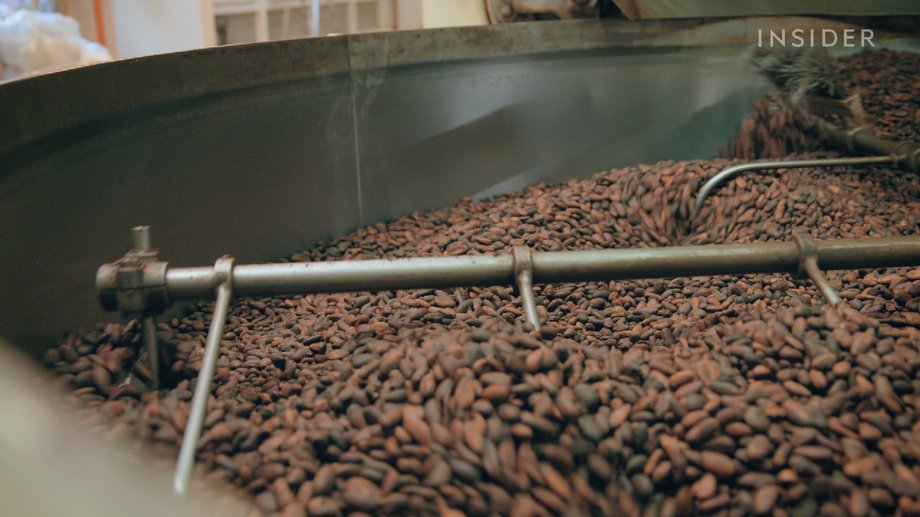
The Swiss did something that changed the confectionery market
|
Business Insider
Once roasting is complete, the beans should easily separate from the shell called the husk. For this purpose, Favarger uses this machine from 1937. It breaks the grains and then blows out the husks using a fan. François takes us to the next floor of the chocolate factory.
This is where the grains we just smashed are ground. The milling process actually begins to change the composition of the grain, which consists mainly of fiber and fat.
In raw grains, the fiber surrounds the fat. At the end of the production process, the fat will surround the fiber, creating a silky smooth chocolate.
The fat is still trapped in the fiber, but heating it during the grinding process definitely revived its acidity. The scent is very strong. It smells like alcohol.
“We call it chocolate liqueur,” admits François.
The liqueur form marks the end of chocolate's lonely journey. This mixer contains approximately 750 kg of liquid chocolate, powdered milk and sugar.
Read also: 20 people, 150,000 meals. The chef shows how to build a team like a family
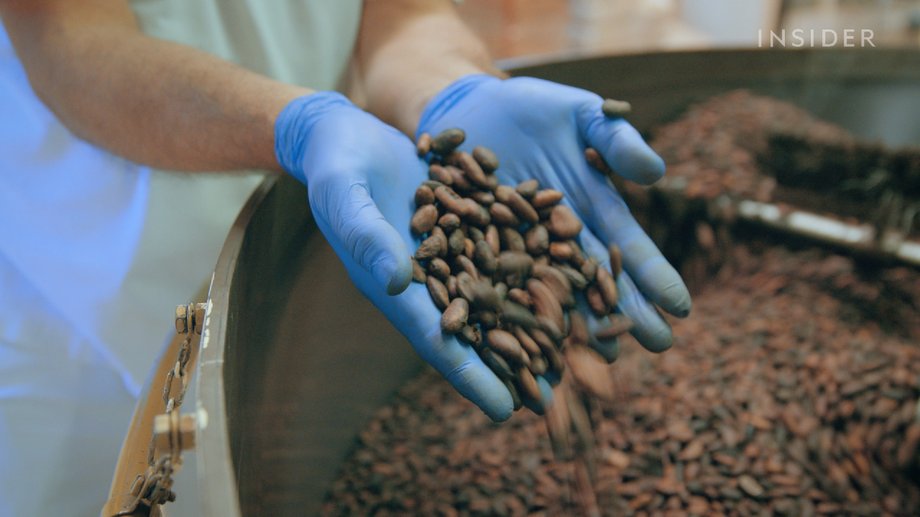
Once roasting is complete, the beans should easily separate from the shell called the husk
|
Business Insider
How is Swiss chocolate made?
The Swiss first mixed milk and chocolate in 1875, but quickly learned that it was better not to use liquid milk because the liquid and fat did not mix. So they decided to use powdered milk, which gives the chocolate the right consistency.
To produce milk chocolate, François uses whole milk with a fat content of at least 26%.
— You can still see sugar crystals in the fiber. It doesn't taste like chocolate yet, he says.
— I can taste milk and sugar. It tastes completely different from what we have tried before, but you can still feel the acidity. The taste is a bit bitter, I admit.
The conveyor belt transfers the chocolate to the roller. This is the next stage of paste refining. The size of the fine fiber particles in the paste is measured to the nearest micron, i.e. one thousandth of a millimeter.
The fine particles in chocolate paste are currently 300 microns in size. The goal in the refining process is to grind them down to just 18 microns with these rollers.
By carrying out a pourability test, you can check whether the size is appropriate. Hervé mixes the paste with paraffin.
Before this machine was invented, chocolate makers had difficulty giving chocolate a velvety texture and their product was coarse and dry.
Currently, the conching process involves a combination of grinding and mixing. It takes place in two stages, in two different conching machines. In the first one, the chocolate is still dry and looks almost like powder.
Ventilation takes place at this stage. We do this to thoroughly mix the ingredients, extract the fat from the fibers and at the same time remove the acid. Everything is constantly stirred and heated. Otherwise, the machine may jam. It must be hot, but not too hot
explains François.
— Too high a temperature would cause the condensed milk, specifically the casein, to cook. And if we cook it too much, it will taste like honey or caramel, he adds.

Swiss chocolate is valued for its taste and consistency
|
Business Insider
Read also: This family business has survived 180 years. The secret to success lies in a simple recipe
The coating process is an important element of chocolate production
The second machine removes the acidity and extracts the fat from the fiber, making the paste smoother. In total, this process can take anywhere from eight hours to a full day, depending on how the paste reacts.
After conching, the paste will still be slightly thick. Depending on its liquidity, Hervé will carry out another test and add some cocoa butter.
Cocoa butter is nothing more than the fat we have been talking about all along. The conching process continues for another 40 minutes and then the chocolate is ready.
But to make sure that the fat covers the fibers as we want, let's perform another pourability test. In my opinion the test is passed.
Of course, no chocolate factory tour is complete without a visit to the atelier. François and his team make everything from small chocolates to large chocolate pots decorated with the coat of arms of Geneva. They are called Marmite and are eaten during the Fête de l'Escalade festival.
While I would love to try my hand at making a kettle, my chocolate making skills aren't quite up to that level yet. So François decided it would be best to make a simple chocolate bar. I wanted to show off my precision, and this is simple.
– Keep going, you'll make the whole board. Now add fruit, nuts and pistachios. You can also add cherries or almonds, François instructs.
= Enjoy your meal. I added a lot of extras. I love the taste of this milk chocolate. It's completely different from what I'm used to. Normally, you can taste a lot of sugar in milk chocolate. This one, however, simply tastes sweet. I guess it's a milk issue? – I'm asking.
— This is chocolate typical of Switzerland. We love her, replies François.
– Me too. As you mentioned, it has a delicate flavor – I melt.
“I'm very happy with my new employee,” laughs François.
Author: Claudia Romeo, journalist, Insider