
Why anti-smoking policies ignore science and what researchers say about smoke-free alternatives


Around one billion people smoke in the world today. It is a figure that remains almost unchanged, despite decades of prevention campaigns, warnings, bans and restrictive public policies. From this paradox comes one of the most sensitive discussions related to modern public health: if we cannot completely eliminate smoking, can we at least reduce the harmful effects it causes through harm reduction?
The answer of a growing part of the international scientific community is “yes”. Under the umbrella of the concept of harm reduction, independent researchers and industry specialists argue that there are real, measurable differences between traditional cigarettes and nicotine products that do not burn tobacco, differences that public policy continues to ignore or view as irrelevant. At the heart of this tension are not only the scientific data but also persistent myths about nicotine, risk and responsibility.
In order to explore all the points of view on the problem, I was in London last week, at The E‑Cigarette Summit UK, one of the most important events of scientific discussion, but also on public policy, related to alternatives to smoking, held at the Royal College of Physicians, but also at the BAT Innovation Center in Southampton, to see the position of the industry.
What do the alternatives to smokeless smoking actually mean?
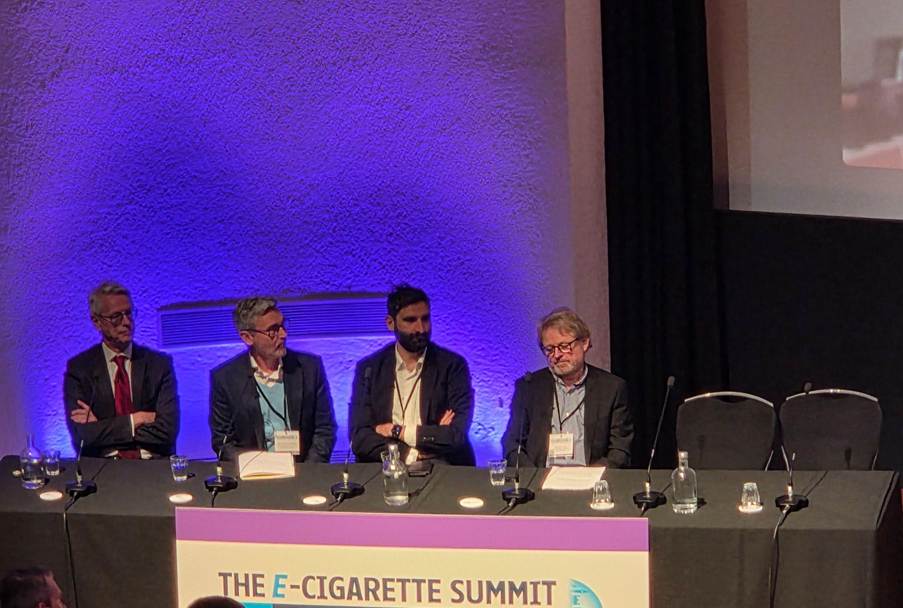
The E-cigarette Summit 2025
In the language of the researchers, “burnless alternatives” is not an abstract concept, but refers to three different categories of products that have one essential thing in common: the elimination of combustion, the process that generates most of the toxic substances associated with smoking.
The first category is that of heated tobacco devices. They use real tobacco, but process it so that it heats up to much lower temperatures than a classic cigarette without producing smoke. An aerosol appears in the place of combustion, and the level of toxic compounds is significantly reduced.
The second category is that of vape products or electronic cigarettes. They do not contain tobacco, but a liquid with nicotine that is vaporized without burning. The absence of tobacco and combustion substantially reduces exposure to harmful compounds, which is why these products are placed lower on the so-called “risk continuum.”
The third category is represented by nicotine sachets. They involve neither heating nor vaporization. Nicotine is absorbed orally, when you hold the sachet in your mouth, at room temperature, and the chemical composition is much simpler. For this reason, they are often compared to classic nicotine replacement therapies.
Regardless of category, the scientific approach is the same: analyze ingredients, assess exposure and monitor actual use. The differences between the products are technical, but what unites them is the elimination of burning, considered by researchers to be the central element of the risk associated with smoking.
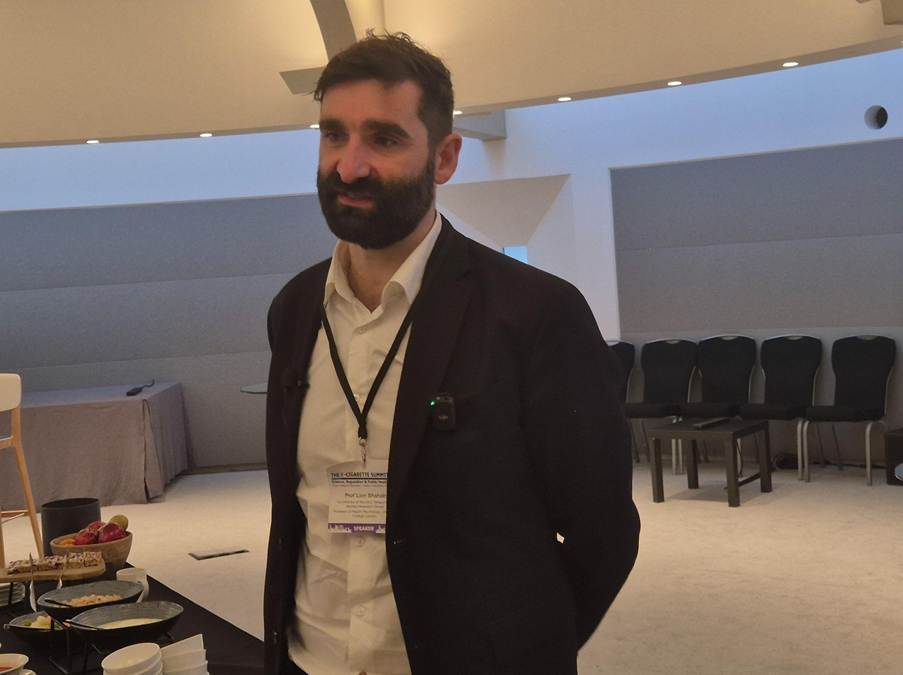
Lion Shahab, a researcher specializing in health psychology and smoking control policies, explains the difference between cigarettes and smokeless products by starting from the basic chemistry of the process.
“Cigarettes work by burning tobacco, which contains several hundred chemicals. When you burn tobacco, you put energy into these compounds and break chemical bonds, which leads to the formation of about 7,000 substances that are inhaled.”
By comparison, says Shahab, e-cigarettes are chemically much simpler products:
“Essentially, we're talking about water, nicotine, a humectant like glycerin, and flavorings. There's no combustion, and therefore the same kind of toxic substances are not generated. The exposure to harmful compounds is much lower. Based on the available evidence, e-cigarettes are clearly less harmful than cigarettes.”
Combustion, not nicotine, is the primary cause of disease
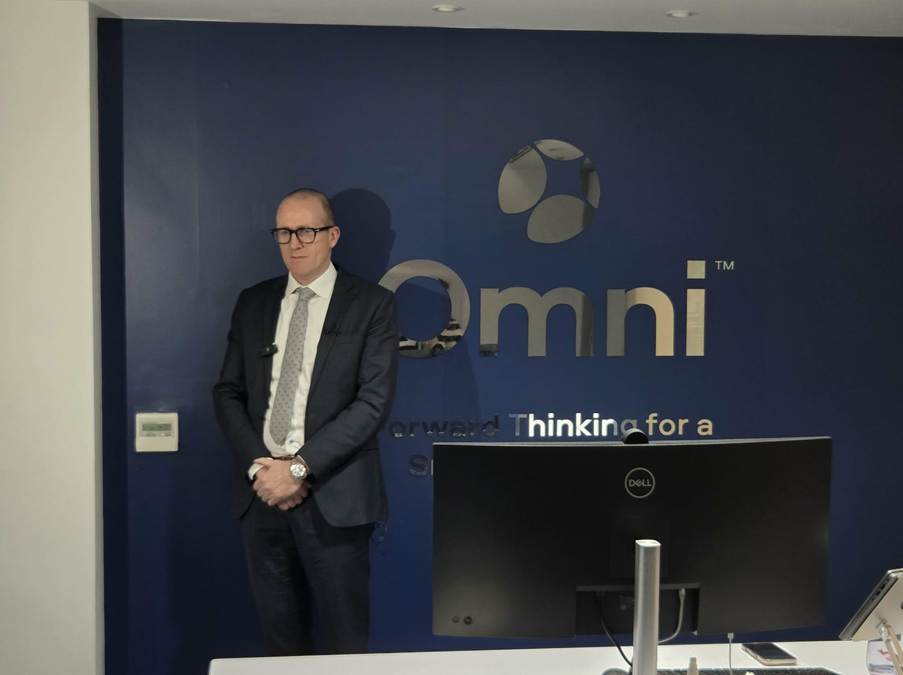
For James Murphy, BAT's Scientific and Research Director, the biggest barrier to acceptance of reducing the risks associated with smoking is not a lack of information, but the refusal of many decision-makers to accept real risk comparisons.
“The biggest policy barrier to accepting the scientific evidence for reducing the risks associated with smoking is related to the risk profile of products that do not burn tobacco compared to cigarettes. Our studies show that these products are significantly less risky than smoking. Unfortunately, not all actors accept this conclusion. There is a real reluctance to believe this science.”
Murphy bases his claims on OMNI, BAT's transparent research platform, which brings together nearly 300 studies and scientific publications on low-risk products accessible to the academic community and public decision-makers. There you can convince yourself by reading all the studies and research published in the field.
Murphy constantly returns to the central element of the problem: combustion. In the case of cigarettes, the combustion of tobacco takes place at extreme temperatures, and the result is not only nicotine, but an extremely complex mixture of substances.
“It all comes down to combustion. Combustion takes place at about a thousand degrees Celsius. When you light a cigarette, you burn the tobacco and produce smoke, about 7,500 chemicals, about 150 of which are toxic. Long-term exposure to these toxins is what causes smoking-related diseases.”
One of the most common myths that still persists is related to nicotine itself. Murphy explicitly separates nicotine from smoking, a distinction he considers essential.
“We know that nicotine is not carcinogenic. Smoking-related diseases come from burning tobacco, not nicotine.”
This historical confusion continues to influence both public perception and regulatory policy, even though the scientific data has been saying otherwise for years.
Risk reduction already exists, but it is not reflected in the public policies of the states
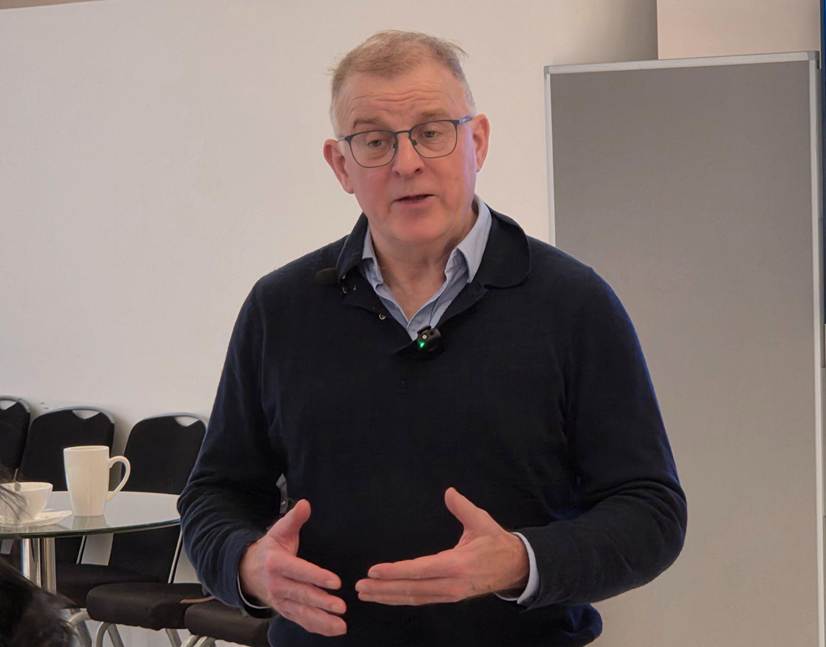
Clive Bates, one of the best-known independent voices in the field of public health policy, looks at the dispute from a wider perspective. For him, the discussion of risk reduction is not a theoretical one, but one that affects millions of people directly.
“There are about a billion people in the world who smoke right now. Every single one of them could reduce their risk if they switched to a smokeless, smokeless product.”
Bates criticizes the dominant position of some international institutions, which consider combustion-free products incompatible with the idea of risk reduction.
“The World Health Organization has come out against risk reduction. The main argument is that these products are just an industry marketing ploy. But a good idea for public health doesn't become a bad idea just because there are companies that align their business model to provide the products that make it possible,” Bates concludes.
For Bates, the refusal of these harm reduction policies is not only a matter of principle, but also one of real consequences. He cites the examples of countries where the transition to smokeless products has coincided with accelerated declines in smoking.
“Countries such as Sweden, Japan or New Zealand have seen dramatic declines in smoking as a result of replacing cigarettes with low-risk products.”
For Bates, the lesson is pragmatic: if the goal is to reduce smoking-related disease, then differences in risk must be recognized and integrated into policy.
Myths about risk and the effects of misinformation

BAT Innovation Center in Southampton
One of the biggest barriers to the acceptance of risk reduction is public perception. Clive Bates believes the worst distortion is the idea that smokeless products have similar risks to smoking.
“The biggest gap between perception and reality is the assumption that these products are no different in terms of risk. This is categorically false.”
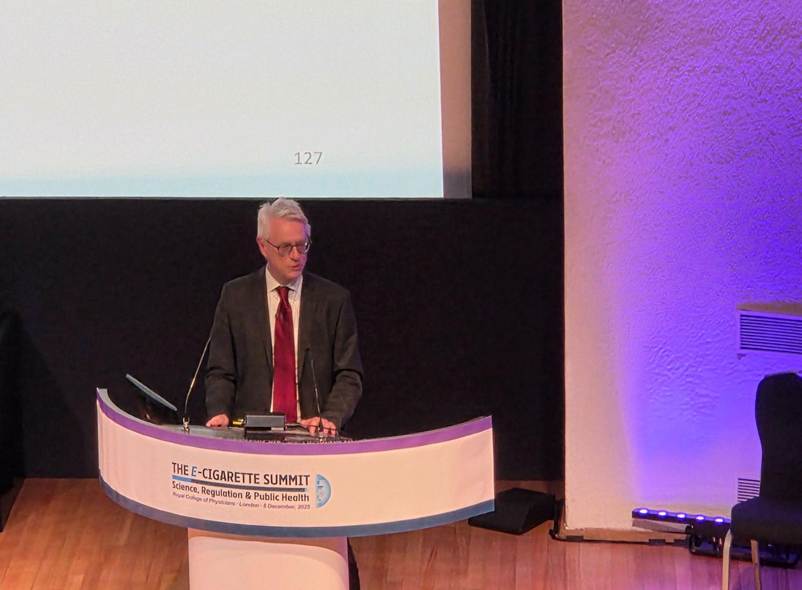
Professor Hayden McRobbie explains why such information fails to change collective beliefs. The analyzes they cite show an alarming trend.
“We are seeing a steady increase in the number of people who believe that e-cigarettes are more dangerous than smoking. This perception is simply wrong.”
More worryingly, these erroneous beliefs are not evenly distributed.
“The people who need help the most, those from the most vulnerable socio-economic groups, are precisely the ones who believe these things.”
McRobbie points to the role of conflicting messages from authorities and repeated exposure to negative media narratives.
“When public health organizations send different messages, people become uncertain and the perception of risk increases.”
In this context, excessive moralizing and all-or-nothing approaches can have undesirable effects. Instead of helping smokers easily switch to safer alternatives, they can completely block any behavioral change.
“We need to get better at communicating evidence-based messaging and be transparent. Consistency of messaging matters enormously,” McRobbie points out.
Industry Liability and Limits of Prohibitions

In the face of criticism of the role of industry, Danielle Tower, Head of Scientific and Regulatory Affairs at BAT, insists on the idea of responsibility embedded in the development of low-risk products.
“At BAT we are absolutely committed to ensuring that all our products are developed and manufactured to high standards of quality and safety.”
This approach, called product stewardship, covers the entire product life cycle, from ingredient selection and toxicological evaluation, to real-world usage monitoring.
“We only use high-quality pharmaceutical or food-grade ingredients, and each one goes through a rigorous toxicological evaluation,” points out Tower.
It links the area of harm reduction to another sensitive topic: protecting minors and combating the illicit market. Age verification and rigorous controls in retail are essential to limit unauthorized access.
“Any technology that can help all actors involved manage access to minors is a good thing.”
For James Murphy, the bottom line is clear: anti-smoking policies can no longer ignore real differences in risk.
“Tobacco-related harm reduction must become a central part of the public health strategy.”
Without that change, the researchers say, the industry is not being ignored, but a major opportunity to reduce smoking-related disease and death. And this choice, they warn, is a political one, not a scientific one.
Article powered by BAT


