The Kremlin reacts to EU plans. Lawsuit against Euroclear and threats of the “strongest response”

2025-12-12 10:26
publication
2025-12-12 10:26
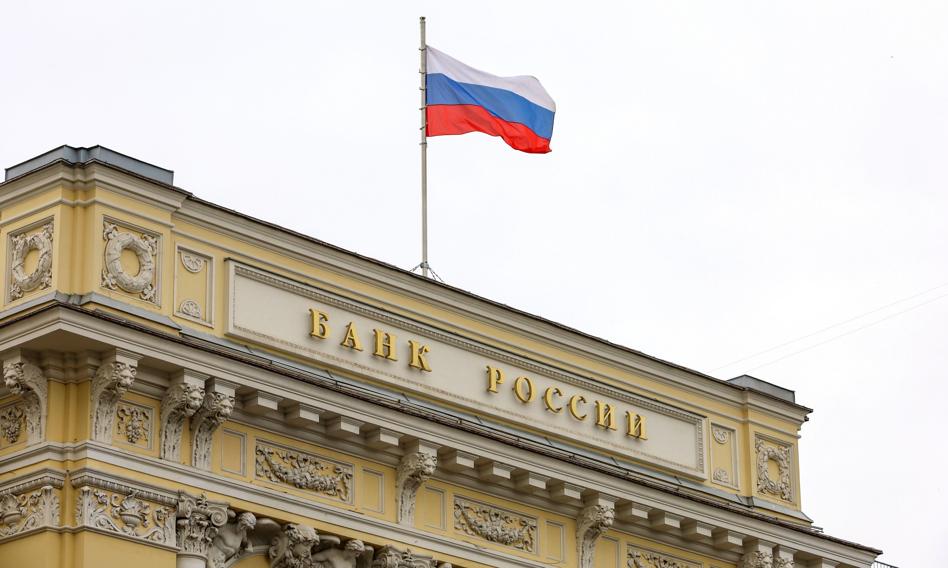
The Russian central bank announced on Friday that it had sued Euroclear, a Brussels-based financial institution that handles transactions on capital markets, in a court in Moscow.
According to the issued statement, the actions taken by Euroclear harm the ability of the Bank of Russia to dispose of funds and securities. It is Euroclear that holds the assets of Russia's central bank, which were frozen after that country's full-scale invasion of Ukraine.
“Mechanisms of direct or indirect use of the assets of the Bank of Russia, as well as any other forms of unauthorized use of the assets of the Bank of Russia, are illegal and contrary to international law, including violating the principles of sovereign inviolability of assets,” the bank said.
Separately, the central bank has declared that the European Union's plans to use its frozen assets are illegal. The Russian side informed that it reserves the right to use all available means to protect its interests.
As explained by Reuters, the bank referred to the press release of the European Commission, published on December 3, which presented two solutions aimed at supporting Ukraine's financial needs in 2026 and 2027.
Under one of these solutions, the Commission could borrow money from EU financial institutions holding frozen assets of the Russian central bank in order to provide a reparations loan to Ukraine. Russian officials have repeatedly said such action would be met with the “strongest response.”
EU governments want to finalize on Friday an agreed freeze on Russian central bank assets in Europe for as long as necessary, replacing the need to vote on extending the freeze every six months.
The Russian central bank said the implementation of such plans would be challenged before “domestic courts, judicial authorities of foreign states and international organizations, arbitration tribunals and other international judicial instancesand then the court decisions will be enforced on the territories of UN member states.” (PAP)
bjn/ rtt/