Russia is trying to put further pressure on the company that keeps the assets frozen in the EU, just before a key meeting


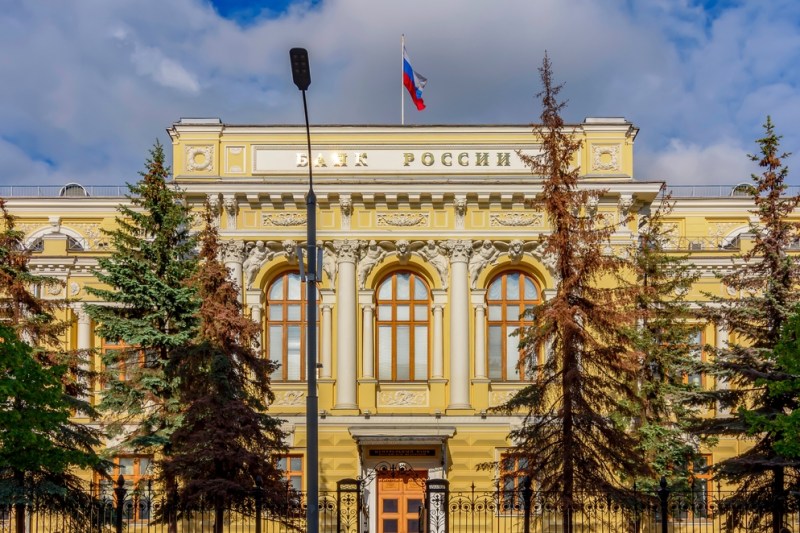
Headquarters of the Central Bank of Russia, PHOTO: Shutterstock
Russia's Central Bank filed a complaint in a Moscow court on Friday against Euroclear, the Brussels-based Belgian securities depository that holds most of the frozen Russian assets the EU wants to use to finance aid to Ukraine, Politico reports.
The filing of the complaint comes just days before a crucial European Council summit where EU leaders are expected to pressure Belgium to unlock billions of euros in Russian assets meant to back a major loan package for Kiev.
“Due to the illegal actions of the Euroclear depository, which cause losses to the Bank of Russia, and in light of the mechanisms officially analyzed by the European Commission for the direct or indirect use of the assets of the Bank of Russia without its consent, the Bank of Russia submits a claim to the Moscow Arbitration Court against the Euroclear depository for the recovery of the losses incurred,” the central bank said in a statement.
Valdis Dombrovskis, the European Commissioner for the Economy, told EU finance ministers in Brussels on Friday: “We can expect Russia to continue to initiate speculative legal actions to prevent the EU from defending international law and pursuing Russia's legal obligation to compensate Ukraine for the damage it has caused.”
“Our proposal is legally sound and fully in line with EU law and public international law,” the European official added.
Euroclear keeps most of the Russian funds frozen in the EU
Belgium opposes the use of Russian sovereign assets because of concerns that the country may eventually have to return the money to Moscow on its own if it wins its case in international arbitration courts.
Some 185 billion euros in frozen Russian assets are held by Euroclear, the Brussels-based financial depository, while another 25 billion euros are dispersed across the EU in private bank accounts.
As the future of the targeted loan remains uncertain, EU ambassadors on Thursday granted emergency powers to the European Commission to keep Russian state assets permanently frozen. Such a solution would mean the assets remain frozen until the Kremlin pays post-war reparations to Ukraine, significantly reducing the possibility that countries such as Hungary or Slovakia, led by politicians who maintain cordial relations with Moscow, will return the frozen funds to Russia.
Although Russian courts have little power to compel the surrender of Euroclear or dollar assets held in Belgium, they do have the ability to take retaliatory action against Euroclear balances held in Russian financial institutions.
However, in 2024 the European Commission introduced a legal mechanism to compensate Euroclear for losses incurred in Russia as a result of compliance with Western sanctions – effectively neutralizing the economic impact of Russian retaliation.
 Threats from company keeping Russian assets frozen in EU revealed by probe into banker's strong ties to Moscow: 'You don't want to end up like this, do you?'