The European Union on Friday agreed to an indefinite freeze on Russian central bank assets held in Europe, removing a major obstacle to using the funds to help Ukraine defend itself against Russia.
The EU wants to keep funding Ukraine and help it fight because it sees Russia's invasion as a threat to its own security. To do this, EU states plan to use some of the Russian sovereign assets they have frozen after Moscow's 2022 invasion of Ukraine.
An important first step, which EU governments agreed on Friday, is to freeze 210 billion euros ($246 billion) of Russian sovereign assets indefinitely, instead of voting every six months to extend the asset freeze.
This removes the risk that Hungary and Slovakia, which have better relations with Moscow than other EU member states, could at some point refuse to extend the freeze and force the EU to return the money to Russia.
Planned loan for Ukraine
The indefinite freeze on Russian assets is aimed at persuading Belgium to back the EU's plan to use the frozen funds to give Ukraine a loan of up to 165 billion euros to cover its military and civilian budget needs in 2026 and 2027.
The loan would be repaid by Ukraine only when Russia pays Kiev war reparations, making the loan effectively a subsidy that anticipates future reparations payments from Moscow.
EU leaders – from within the European Council – will meet on December 18 to finalize the details of the reparations loan and resolve remaining issues, which include guarantees from all EU state governments to Belgium that it will not be left to foot the bill if a potential lawsuit from Moscow is successful.
Ahead of that meeting, Ukrainian President Volodymyr Zelensky will visit Berlin for talks with German Chancellor Friedrich Merz on Monday, and will later be joined by other European, EU and NATO leaders, the German government announced.
Germany sees no alternative to the repair loan and would offer guarantees worth 50 billion euros, European diplomatic sources said.
Danish Finance Minister Stephanie Lose, whose country holds the rotating presidency of the Council, told reporters that “some concerns” still needed to be addressed, but “we hope we can prepare the ground for a decision at the European Council next week.”
European Economic Commissioner Valdis Dombrovskis said strong guarantees are in the works for Belgium.
The Central Bank of Russia will sue Euroclear
Hungarian Prime Minister Viktor Orban said in a message published on Facebook that, in his opinion, the EU's decision to freeze Russian assets indefinitely through a qualified majority vote – which requires the support of 15 of the 27 member states, representing 65% of the EU's population – will cause irreparable damage to the EU bloc.
Hungary will do everything it can to “restore the legal situation,” he said.
Russia's central bank said the EU's plans to use its assets were illegal and reserved the right to use all available means to protect its interests, an announcement that appeared to be ignored by Dombrovskis.
The bank also said it had sued the Brussels-based central securities depository Euroclear, which holds 185 billion euros of total Russian assets frozen in Europe, in a Moscow court, for what it described as prejudicial actions affecting its ability to dispose of funds and securities.
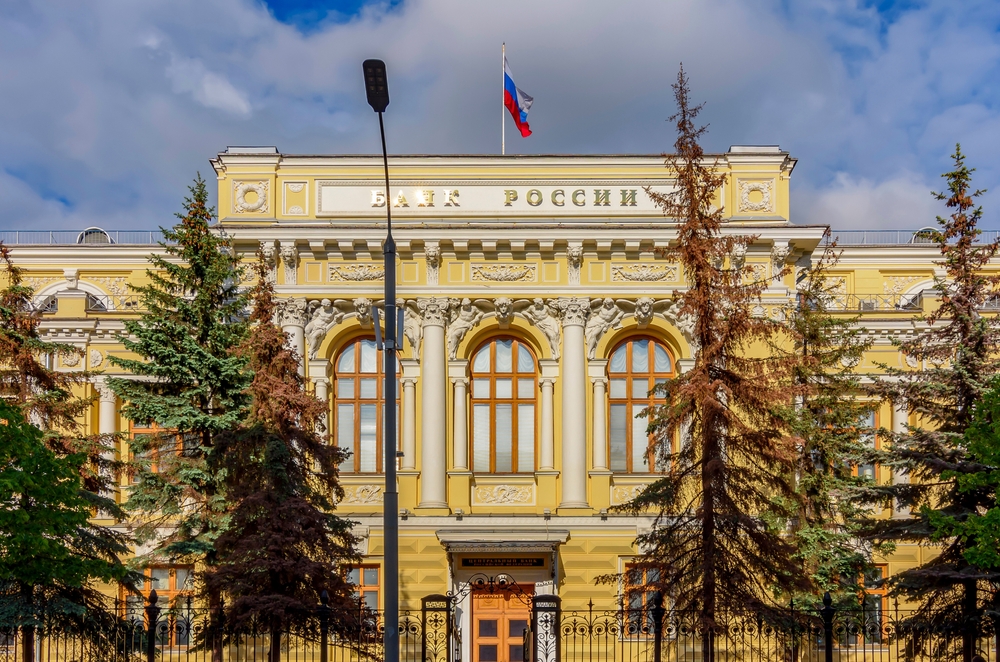 Russia is trying to put further pressure on the company that keeps the assets frozen in the EU, just before a key meeting
Euroclear has been the subject of lawsuits filed by Russia in Moscow courts since the EU froze the assets of the Russian Central Bank in 2022.
EU accession negotiations
The Financial Times wrote that Ukraine could join the EU by January 1, 2027, under proposals discussed in US-brokered negotiations to end the war.
EU accession negotiations, a longtime goal for Kiev, which is trying to move away from Moscow's orbit, typically take many years.
A European diplomat briefed on the plan said Ukraine's accession would be “extremely difficult” to achieve by 2027 and it was unclear whether EU leaders supported it.
Several other European officials and diplomats said this target was “absolutely impossible”.
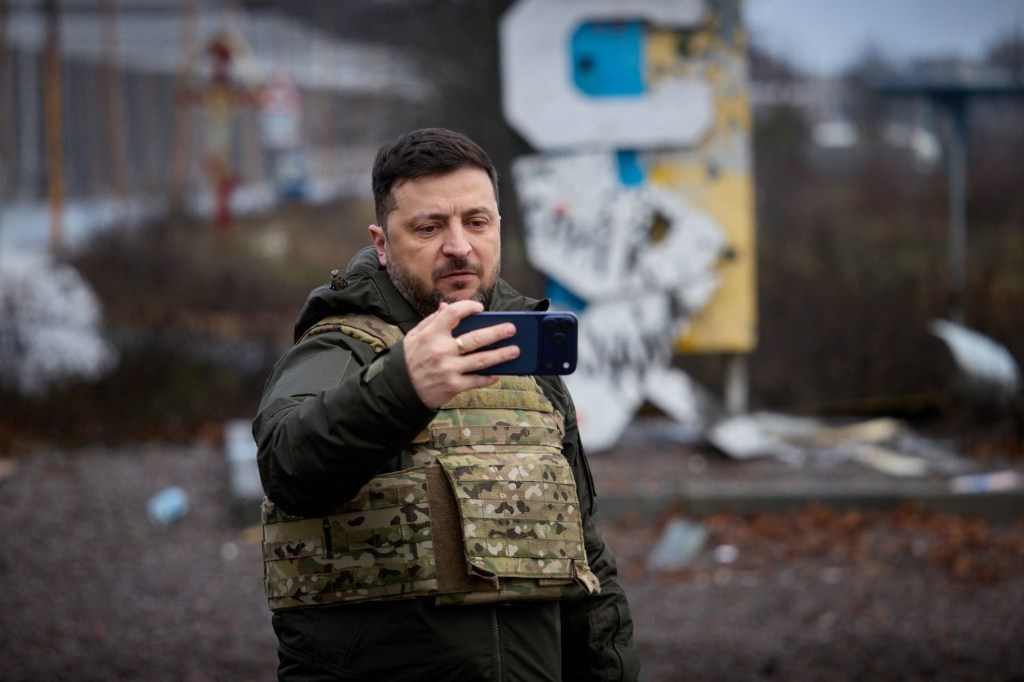 VIDEO The Ukrainian army announces that it has encircled the Russian troops in Kupiansk