“Not because [шокировала]that there was something radically new and unexpected in it. No, the shock is due to the fact that previous offensive statements by individual members of the Trump team, which were previously perceived through the prism of personal and emotional assessments, have now received official confirmation,” the material says.
KSE experts noted that Washington accused European countries of a lack of democracy and freedom of speech, and among the problems mentioned “the activities of the European Union and other transnational organizations that undermine political freedom and sovereignty,” migration policy, the alleged suppression of the opposition, a decline in the birth rate and even “the loss of national identity.”
“It is obvious that the standard for ensuring democratic values for modern Washington is the programs of its political partners – the European radical right. Despite the dubiousness of this understanding of democracy, it also harms the United States itself,” the KSE wrote.
The authors of the material believe that “strategic orientation towards non-mainstream political forces will not contribute to the development of partnership with Europe and ensuring US interests on the continent.”
“Against this critical backdrop, the goals of the strategy for Europe sound dissonant: “opening European markets to goods and services from the United States and ensuring fair treatment of American workers and enterprises by Europeans,” the material says.
The KSE drew attention to the position of the current American administration regarding the aggressor country Russia, which is waging a full-scale war against Ukraine.
“Russian aggression against Ukraine is not condemned, and the Russian war is called “Ukrainian”. The key goal of the United States in relation to Russia is the restoration of strategic stability. As for Ukraine, the priority is the cessation of hostilities and ensuring post-war reconstruction for its survival as a viable state,” analysts noted.
They consider aspects of the strategy regarding NATO to be expected and controversially formulated when European countries are simultaneously called upon to take primary responsibility for their own security and at the same time “stop the perception of NATO as an ever-expanding Alliance and prevent such a reality.”
“It’s a strange position when the reduction of obligations in the organization in favor of allies is accompanied by blocking their vision of its further development,” the KSE said.
Regarding the priority regions for the United States, experts write that “the United States is seeking to ensure its dominance in the Western Hemisphere on the basis of the revival of the Monroe Doctrine (the principle of US non-intervention in European conflicts. – “GORDON”) by limiting the access of “outsiders” to the territory of priority interests of the United States and strengthening its economic and military presence there.”
“As for the Indo-Pacific region, a key place is expectedly given to China, with which Washington seeks to “rebalance” relations. It is noted that the previous long-term US policy towards China, based on opening markets and promoting American investment, was erroneous and did not justify itself. The importance of containing military threats in the region to prevent large-scale conflicts is also noted,” the KSE explains.
Its authors consider the new US strategy radical.
“The radicalism of the document is somewhat offset by the numerous mentions of the name of President Trump. This creates the impression that we are not dealing with a new strategy that will determine the development of the world’s largest international economic and military force for a decade ahead, but with the strategy of its current president, the duration of which will be limited to the time of his reign,” the KSE said.
Context
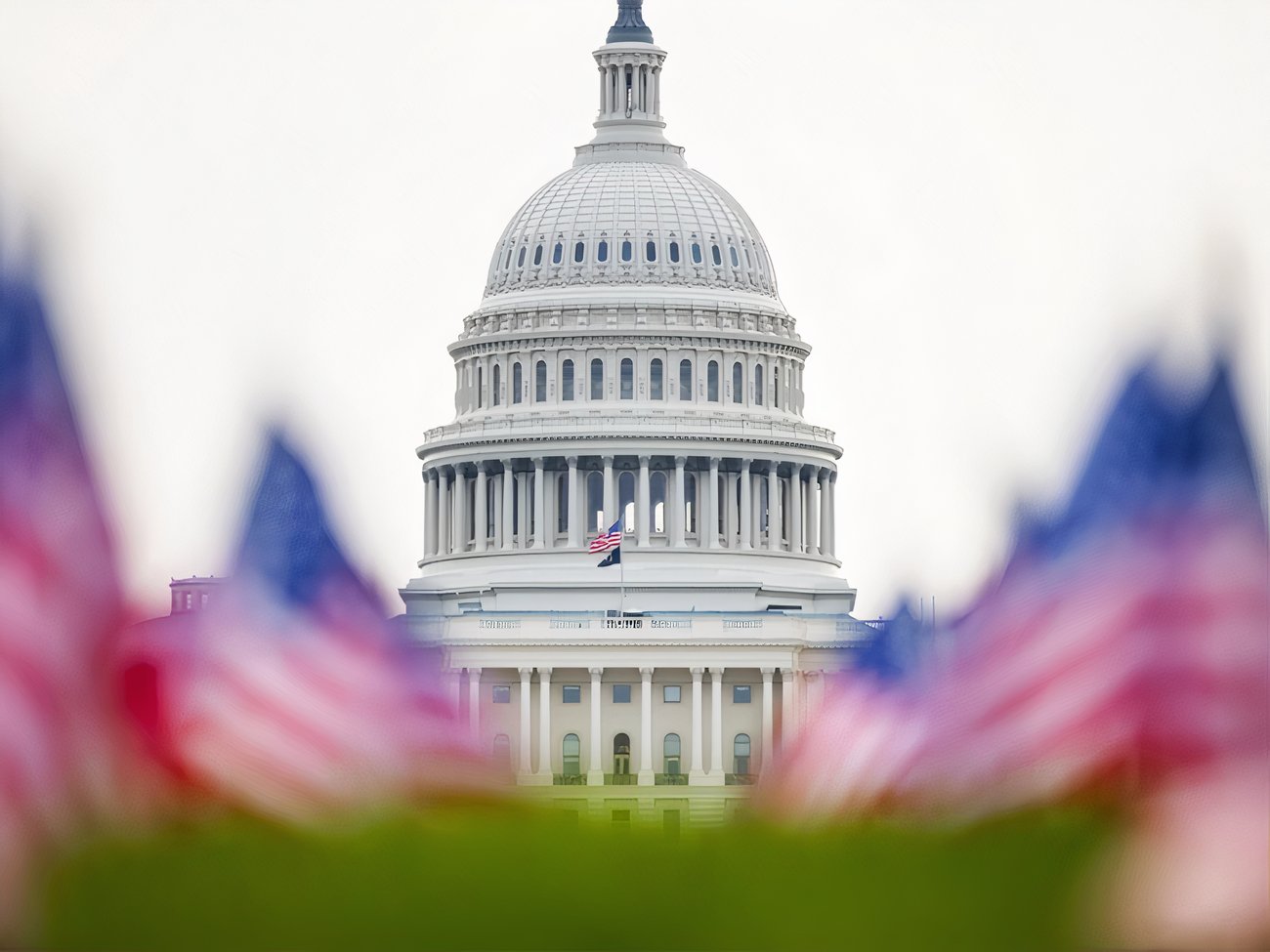
The United States has prepared a new 33-page national security strategy. Politico noted that the main US interest in it was negotiations on a quick cessation of hostilities in Ukraine and reducing the risk of confrontation between the aggressor country Russia and other European countries. According to the media, the document is very restrained in relation to the Russian Federation, because there is very little criticism of Moscow in it. At the same time, according to the media, some of the harshest criticism concerns US allies in Europe. The Trump administration has criticized Europe for trying to curb far-right parties, calling such actions political censorship.
The document also talks about the risks of a “civilizational threat” due to migration and specifically criticizes Germany. German Foreign Minister Johann Wadeful responded to these claims by saying that Germany does not need outside advice on how to build a free society.
The authorities of the aggressor country of the Russian Federation “gratified” the new US national security strategy.