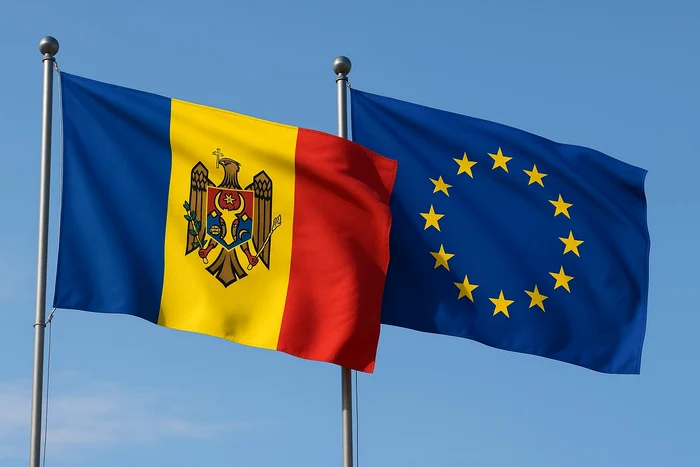
Chisinau wants the processes of the reintegration of the Transnistrian region and the integration of the country into the EU to be separated


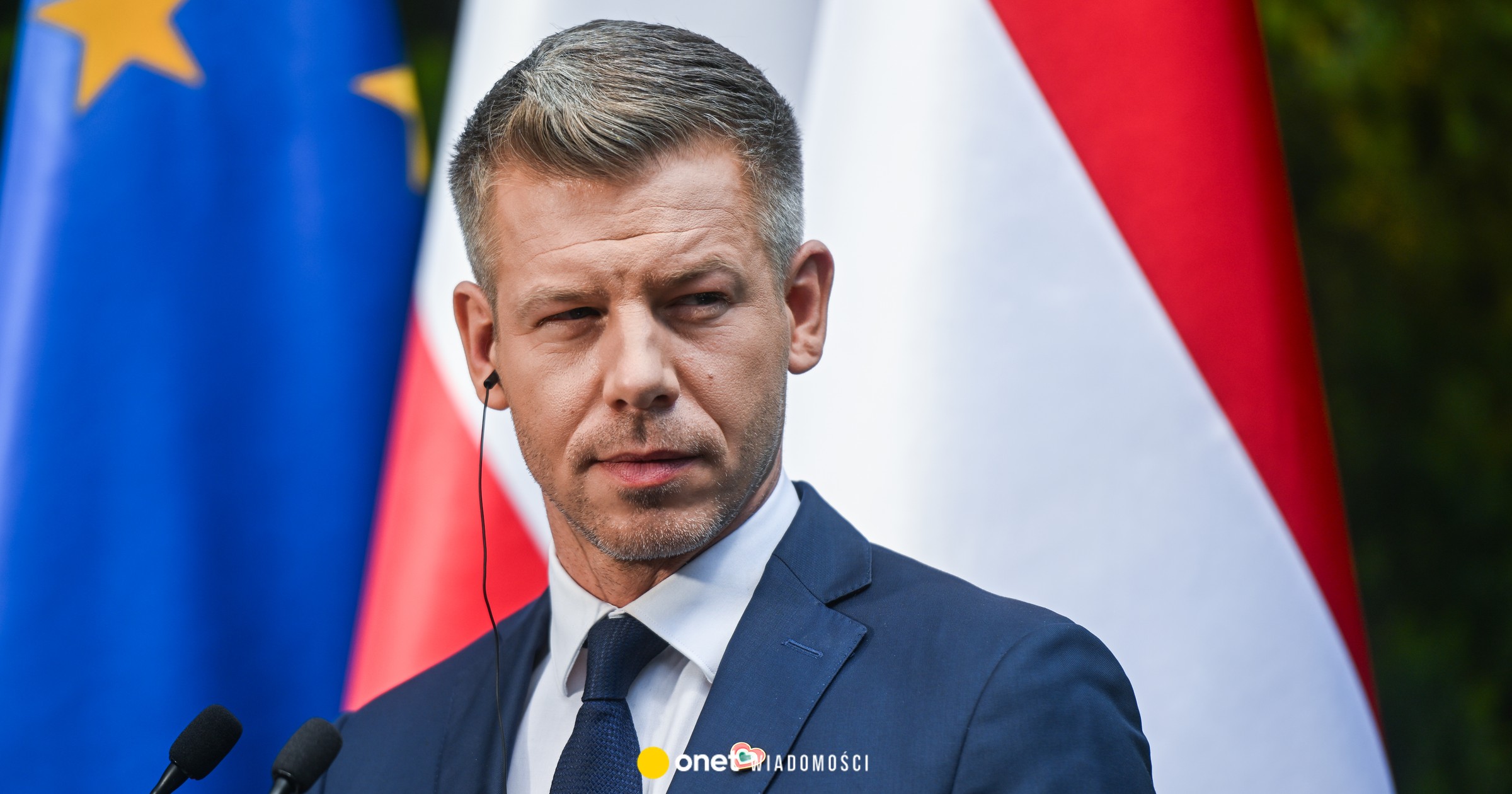
Valeriu Chiveri, the Moldovan Deputy Prime Minister for Reintegration, stated that it is desired that the processes of reintegration of the Transnistrian region and the integration of the country into the EU should be separated, stressing that the process of unification will require a longer period than the process of joining the Union.
Valeriu Chiveri announced that the separation of the two processes is desired. PHOTO: Archive
“We understand very well the approach of our external partners and we will do our best to make the reintegration process dynamic and bring results. At the same time, we understand that it requires a longer period than we would have proposed to reach the integration negotiations and eventually become part of European Union. I tell you frankly that we will try to decouple these processes to allow for a systemic, responsible and calm approach, because reintegration will take more time than it seems at first sight”, said Valeriu Chiveri.
Valeriu Chiveri announced that he sent a message to Tiraspol to request the resolution of issues such as schools, farmers' rights and fundamental freedoms, but without expecting an immediate response, but to convey his concerns and desire for a solution.
“Just today I signed a message to the political representative from Tiraspol, through which we requested the resolution of several issues, including those related to schools, farmers' rights, free movement and freedom of expression. We do not expect the reaction to be positive and immediate, but through these messages we convey our concerns and the desire to solve them”the Moldovan official added.
The so-called authorities on the left of the Dniester did not publicly react to the approach put forward by the Reintegration Policy Bureau, led by Valeriu Chiveri. But a day earlier, the political representative from Tiraspol, Vitaly Ignatiev, who represents the separatist region in the negotiations, gave statements to local media about the process.
“We didn't refuse the negotiations, we didn't close the doors and we didn't get up from the negotiation table. Moreover, today, the Transnistrian region continues to respect those agreements that were reached with Chisinau, regardless of the fact that the authorities in Chisinau do not fulfill all of them”, he mentioned.
Plan developed together with the EU and the US
Earlier this month, Chisinau announced that, together with the EU and the US, it was drawing up a plan to unify the country, without giving details of the strategy, arguing that this could affect the final outcome.
The Republic of Moldova should join the EU only after reunification with the Transnistrian region, where Moscow maintains illegally deployed troops. Otherwise, reunification could be more difficult, and the Union would face additional problems at the border, say the experts consulted by “Adevărul”.
The President of the Republic of Moldova, Maia Sandu, stated in September of this year that two scenarios are being taken into account: the first foresees the accession “in one step” and the second, which is a backup, aims at joining the EU without the separatist region of Transnistria.
“We want to join the EU in one step, with the country reunified, but, in the situation where we won't have this possibility – because you know the fact that the Russian Federation maintains its troops illegally on the territory of the Republic of Moldova and that is the biggest obstacle to the reunification of the country – for this situation there is also the second scenario, which means joining the EU in two steps”, detailed the leader from Chisinau Maia Sandu after the parliamentary election won by the pro-European party PAS.
The statements came in the context of the Kremlin illegally maintaining troops on the territory of the separatist region for over three decades, after the military conflict of 1992. The separatist region, located on the left bank of the Dniester, is not internationally recognized, functioning as a de facto independent entity, with military and economic support from Moscow.