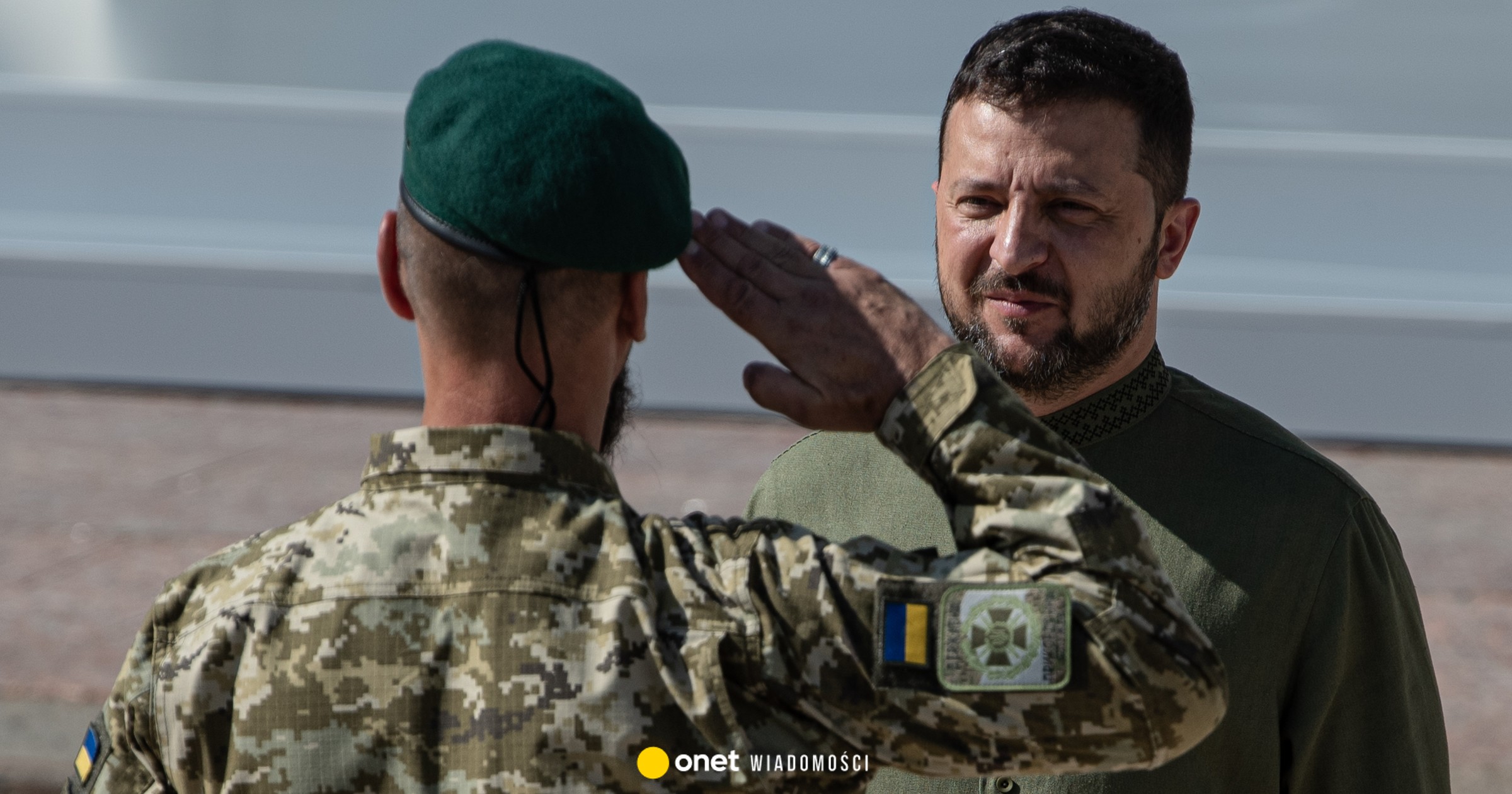
Europe is once again facing a major security upheaval, caught between Donald Trump's United States and an increasingly aggressive Russia. After the large-scale invasion of Ukraine — the first major land confrontation on the continent since the end of World War II — a new defining moment is Washington's withdrawal from traditional commitments to European security, reports The New York Times.
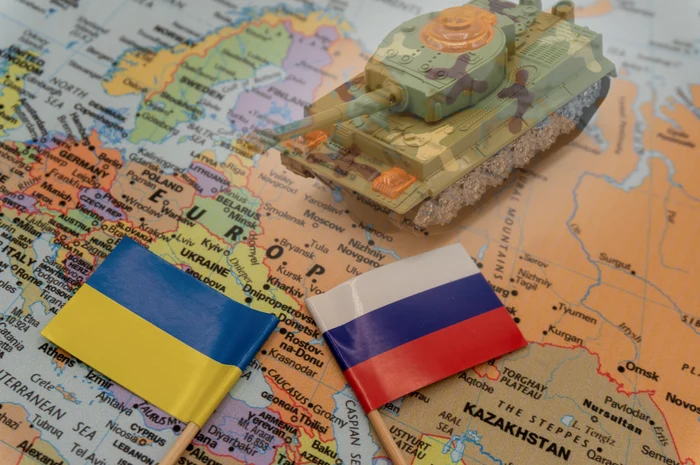
According to some European officials and experts, the central objective of President Trump is not to achieve peace in Ukraine, but to bring the United States closer to Russia. Such a strategic resettlement could undermine NATO and the European Union, endangering the continent's security architecture.
Although the US president's rhetoric — describing Europe as “in decline” — has drawn a lot of backlash, European leaders are looking at the situation in a much larger context. They simultaneously face budget constraints, an increasingly skeptical public opinion and pressure from far-right parties as they try to maintain support for Kiev and strengthen their own defense capabilities.
“For the first time since World War II, America is not on our side in matters of war and peace. It is aligning itself with the aggressor's point of view, against Ukraine and against European security interests.”says Norbert Röttgen, prominent member of German Chancellor Friedrich Merz's party. In his opinion, Washington's intention to position itself as a mediator between NATO and Russia amounts to a redefinition of the role of the United States in the Alliance.
The fate of Ukraine is at the center of these debates. Trump is pushing for a negotiated solution mainly on Moscow's terms, while European leaders see Ukraine as essential to their own security and support the effort to obtain more favorable terms for Kiev.
However, the challenges that Europe has to face are multiple
NATO has set 2029 as a deadline for strengthening deterrence against Russia, but there are fears that Moscow could test the alliance's unity much sooner. In the meantime, European states must find additional resources to continue military support for Ukraine while reducing reliance on American capabilities at a time when their economies are plagued by high debts and strained budgets.
In addition to external pressure, European governments are also facing the rise of populist and nationalist parties, which are explicitly supported in the Trump administration's new National Security Strategy. The document accuses European governments of undermining democracy and contributing to what Washington calls the “destruction of civilization.”
In a recent interview with Politico, President Trump described European leaders as “weak” and said immigration risks making some states on the continent “unviable.”
A crucial test will take place next week when European Union leaders gather for a decisive summit. They need to identify about $200 billion to support Ukraine over the next two years. There is still no agreement among member states on financing using frozen Russian assets — an option that Belgium opposes.
“Europe is facing a moment of truth. We need political will to remain a relevant actor, not just legal discussions. Otherwise we risk losing influence“, warns Röttgen.
If Russian assets cannot be used, major European powers, including the UK, may have to create a parallel funding mechanism outside the EU — a costly solution with obvious political risks.
Despite support commitments, Europe does not have its own strategy for ending the conflict. Both economic pressures comparable to those of the US on Russia and consistent security guarantees that the West could offer Ukraine in the event of negotiations are missing. And Moscow has repeatedly rejected any idea of a NATO presence in Ukraine, even after a possible peace deal, which calls into question the effectiveness of initiatives aimed at a “coalition of the willing”.
In parallel, European officials are seeking to ease tensions with Washington through a joint proposal for a peace plan, discussed with Ukraine and the US, before being presented to Russia.
Europe must prepare to defend its own security
Despite the announcement of the withdrawal of 3,000 US troops from Romania, approximately 79,000 US troops remain stationed in Europe — more than the entire British Army. Still, NATO leaders recognize that certain critical US capabilities, such as satellite surveillance, air defense and long-range weaponry, cannot be quickly replaced.
In this tense climate, a senior European official warns that Europe must prepare to defend its own security in the event that Washington decides not to intervene.
“Ukraine is Europe's line of defense against Russia, but we don't realize the extent or the cost of this. Russian assets are indispensable for Ukraine to continue the fight. We must take greater risks now or we will pay much more later.”says Anna Wieslander of the Atlantic Council.
Washington's new direction could mark a definitive turning point in transatlantic relations — with old agreements being called into question and consequences that could be felt across the globe.