The Minister of Digital Affairs focuses on AI and the fight against disinformation. Plans for 2026

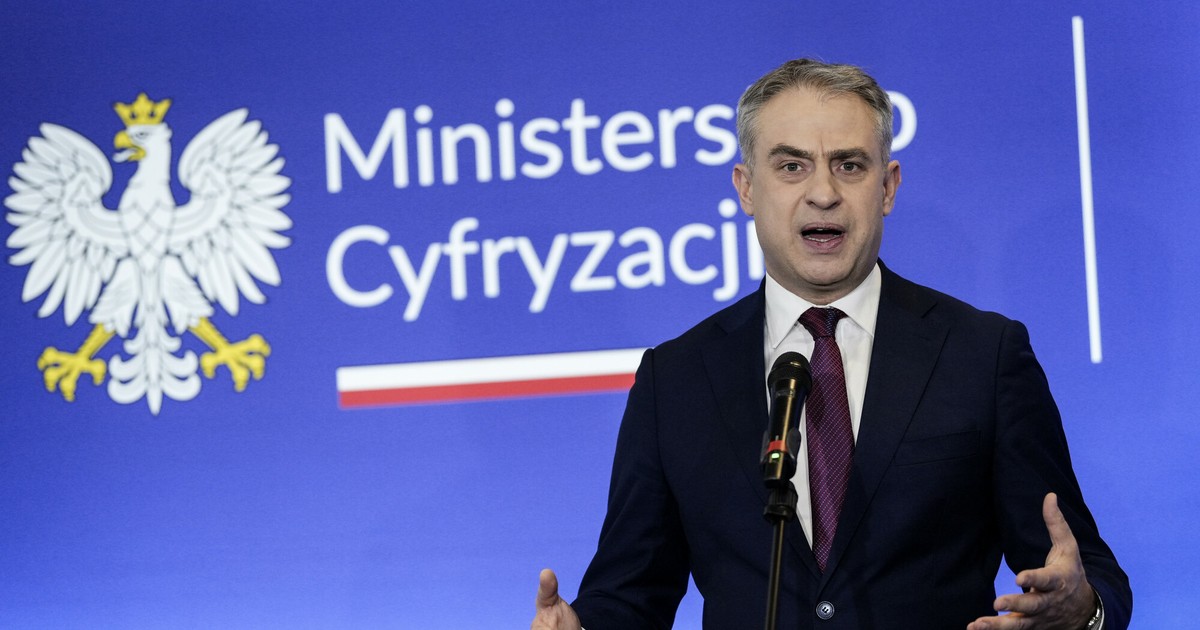
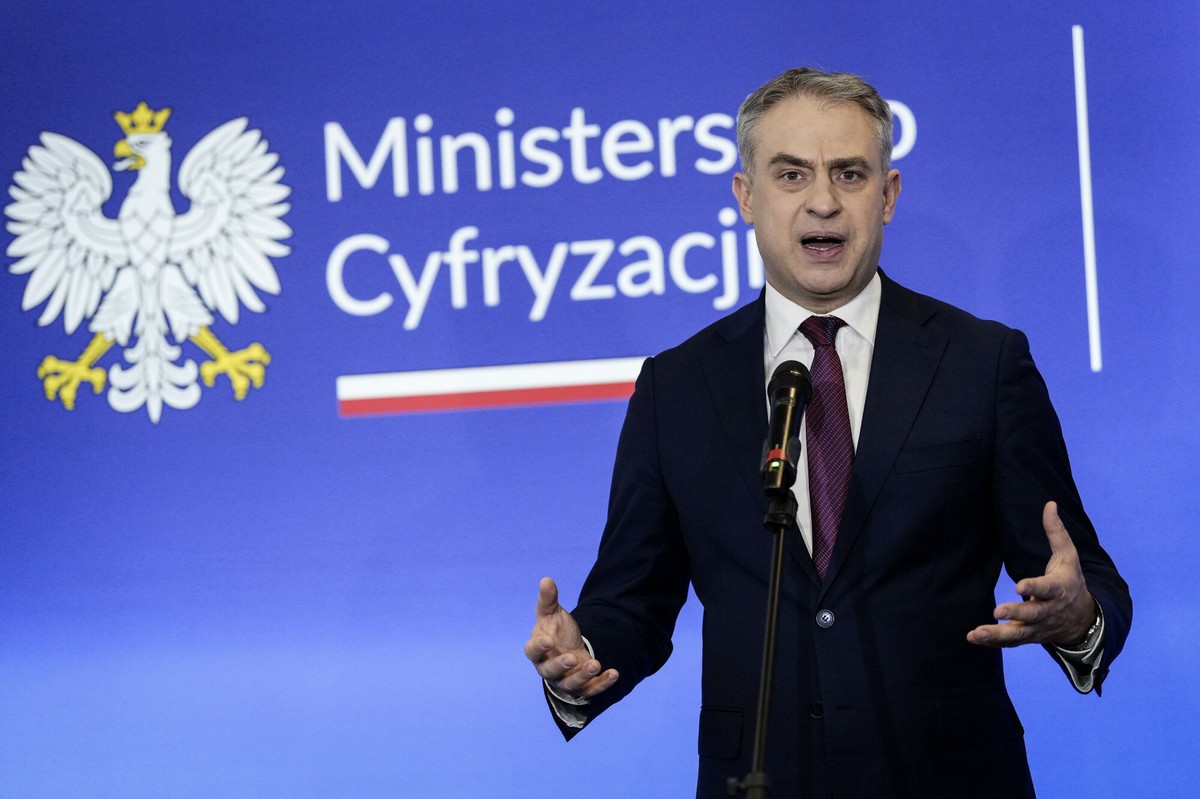
The Deputy Prime Minister pointed out that counteracting disinformation will be a key area of activity of the Ministry of Digitization in 2026 and noted that the funds allocated for this purpose will be much larger than before. The activities include an educational campaign and cooperation between inter-ministerial teams to develop a national framework for combating disinformation.
The article continues below the video
The role of NASK and controversies before the elections
Gawkowski also emphasized the role of the Scientific and Academic Computer Network (NASK) in implementing these activities. Despite the critical report of the Organization for Security and Co-operation in Europe (OSCE) regarding NASK's activity before the presidential elections, the Deputy Prime Minister stated that this unit will be a key entity in the area of counteracting disinformation. In May this year, NASK reported election advertisements to Meta, which were considered disinformation and potentially financed from abroad. However, the OSCE indicated that these advertisements supported Rafał Trzaskowski while discrediting other candidates. NASK's actions caused concern among observers, who assessed them as “delayed, inconsistent and non-transparent”. The case was referred to the Internal Security Agency.
Read also: Digital tax. Will US giants pay billions? The Deputy Prime Minister announced the date
Plans for 2026: AI, semiconductors and digitalization of the state
Minister Gawkowski noted that next year the Ministry of Digital Affairs will also focus on other key projects, such as the development of artificial intelligence in Poland. The plans include, among others: establishing a legal framework for AI through the Act on Artificial Intelligence Systems, launching the so-called regulatory sandboxes, implementation of AI in key public services and building the Polish semiconductor ecosystem. The ministry also plans to finalize the state's digitalization strategy by 2035, as well as expand AI infrastructure, including artificial intelligence factories.
The draft act on artificial intelligence systems, prepared by the Ministry of Digitization, was published in the Government Legislation Center in October last year, and its updated version after consultations appeared in February this year. This document aims to implement the EU Artificial Intelligence Act (AI Act), which provides, among others, for: creation of regulatory sandboxes. Thanks to them, entrepreneurs will be able to test their AI systems in controlled conditions before introducing them to the market. According to the AI Act, sandboxes should start operating no later than August 2026.
Read also: Polish AI gigafactory. See what new country is joining the great project
5 percent GDP for digitalization
At the beginning of November this year, the Ministry of Digitization presented the latest draft of the State Digitization Strategy until 2035, which was submitted for public consultations.. The document assumes that spending on digitization will reach 5% within a decade. GDP.
The European Commission emphasizes on its website that artificial intelligence factories are a key element in the development of innovation in the field of AI. Thirteen of them are to be built across the European Union, including two in Poland. The first of them – Gaia AI Factory – is being built at the Cyfronet AGH Academic Computer Center in Kraków, and the second one, called Piast-AI, will be built in Poznań.