Persimmon season is in full swing. This amber fruit decorates New Year's desserts and warms with its honey taste in cold weather. But often, instead of delicate sweetness, you get tart, astringent pulp, which sticks together the tongue and spoils the impression.
To prevent this from happening, when choosing, it is enough to spend only 3 seconds on a simple check.
How to choose the perfect persimmon:
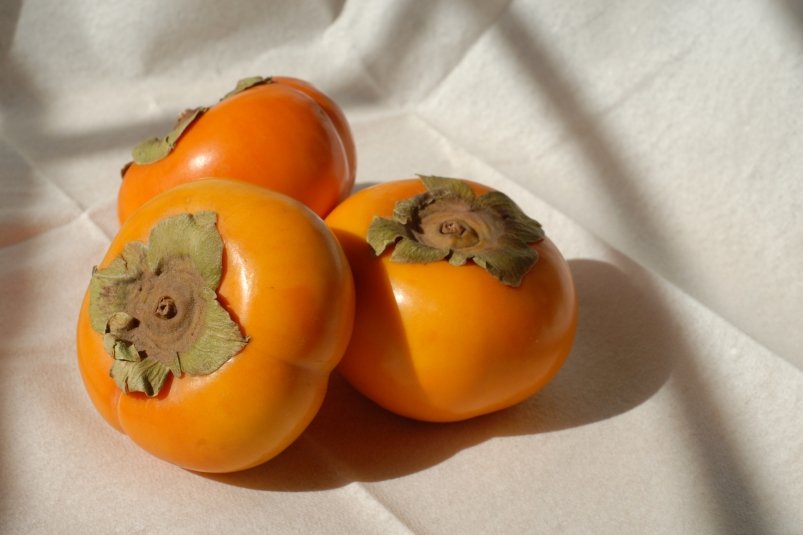
- Look at the color. The peel should be deep orange, without green spots at the stalk. Green means unripe.
- Evaluate the form. Ripe fruits have a slightly wrinkled skin, and the persimmon itself is soft, like a peach.
- Press with your finger and if the dent slowly returns, the fruit is ripe, sweet and ready to eat.
- Pay attention to the spots. Small brown spots on the peel are a sign of ripeness and high sugar content.
What to avoid:
- Persimmon as hard as an apple. It is not yet ripe and will be viscous.
- Dents, dark spots or wet areas are signs of deterioration.
- Glossy, “waxy” peel. Sometimes fruits are coated with paraffin for transport, which hides the true condition.
Persimmon variety “Korolek” is the most reliable choice: it is almost never viscous even when unripe. Look for fruits with a dark, almost chocolate-colored cap at the stem—this is a sign of ripeness.
Now you will definitely bring home honeyed, tender persimmon without bitterness and viscosity.